
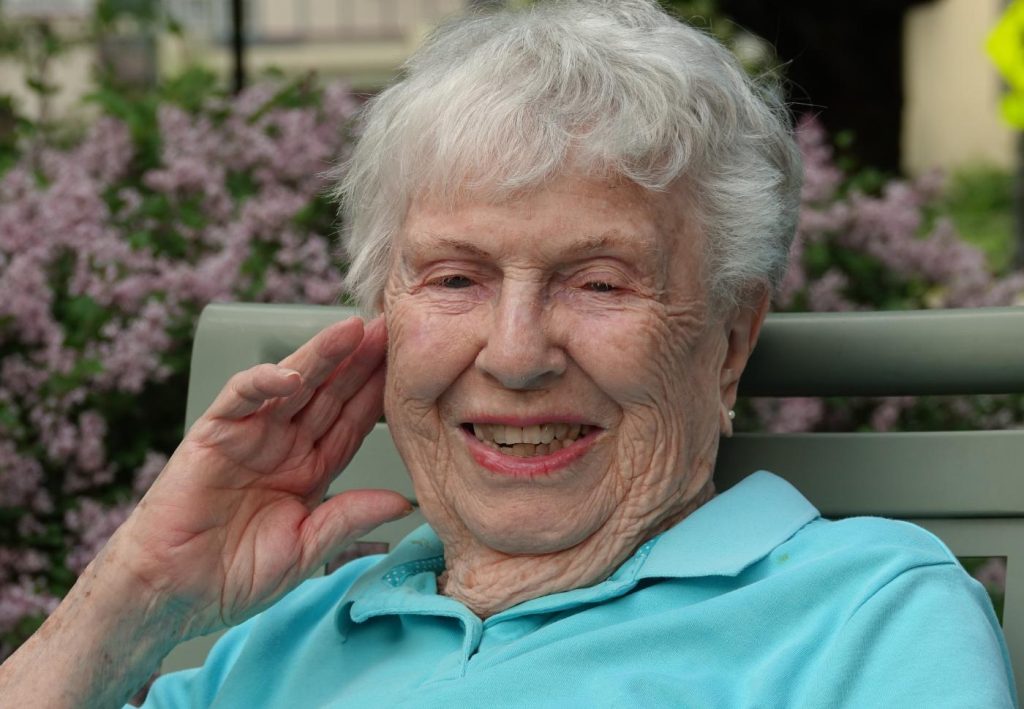
I recently listened to an audiobook featuring two women in their 60’s. These smart, strategic, physically fit women were narrated in weak, wobbly voices – annoying to the point that I could barely finish the otherwise excellent story.
I have become increasingly aware how language shifts once people, particularly women, reach a certain age. Just a few descriptions that have leapt out from the pages recently include: elderly, frail, fragile, wizened, “old dears”, stooped, dotty, vague, watery-eyed, senior citizen, isolated, lonely, toddling…you get the idea. Most of these descriptors were used for characters in their 70’s or even their 60’s. Some of the characters were portrayed as physically and cognitively in decline, while others were surprisingly effective considering that they were portrayed teetering on the edge of death.
As someone who has passed a notable birthday, I do not feel elderly, or even old. I am physically and mentally active and am surrounded by friends in similar circumstances. Health issues are creeping in, yes, but for heaven’s sake, I am not even close to needing a walker!
There is considerable research and some excellent articles (thank you The Atlantic Magazine) noting the disparity between chronological age (when you were born) and biological age (how old your cells are). Lifespans are increasing, yet somehow authors remain tied to the outdated idea that being elderly is tied to age 65, the date when Social Security kicks in. The very use of these words defines the individual – and we have plenty of documentation as to the power of derogatory words, don’t we?
It is time to stop defining individuals by chronological milestones. Give senior citizens the honor and recognition that they are due, and recognize when aging creates physical and cognitive challenges. But, don’t make the assumption that someone is elderly based on age, and stop using words that imply infirmity when none is present. It is demeaning and harmful.
You are aging too, you know.