
Since we were headed to Mongolia, my Beijing-born friend Doris Xie pointed out that we would be crazy not to see Beijing and the Great Wall of China since we were so close. True to form, she graciously took over the planning of a four-day whirlwind tour for Yosi, Marty and me. Temples, neighborhoods, lakes, monumental barriers, and of course some of the best food in the world.
A Traditional Courtyard Hotel
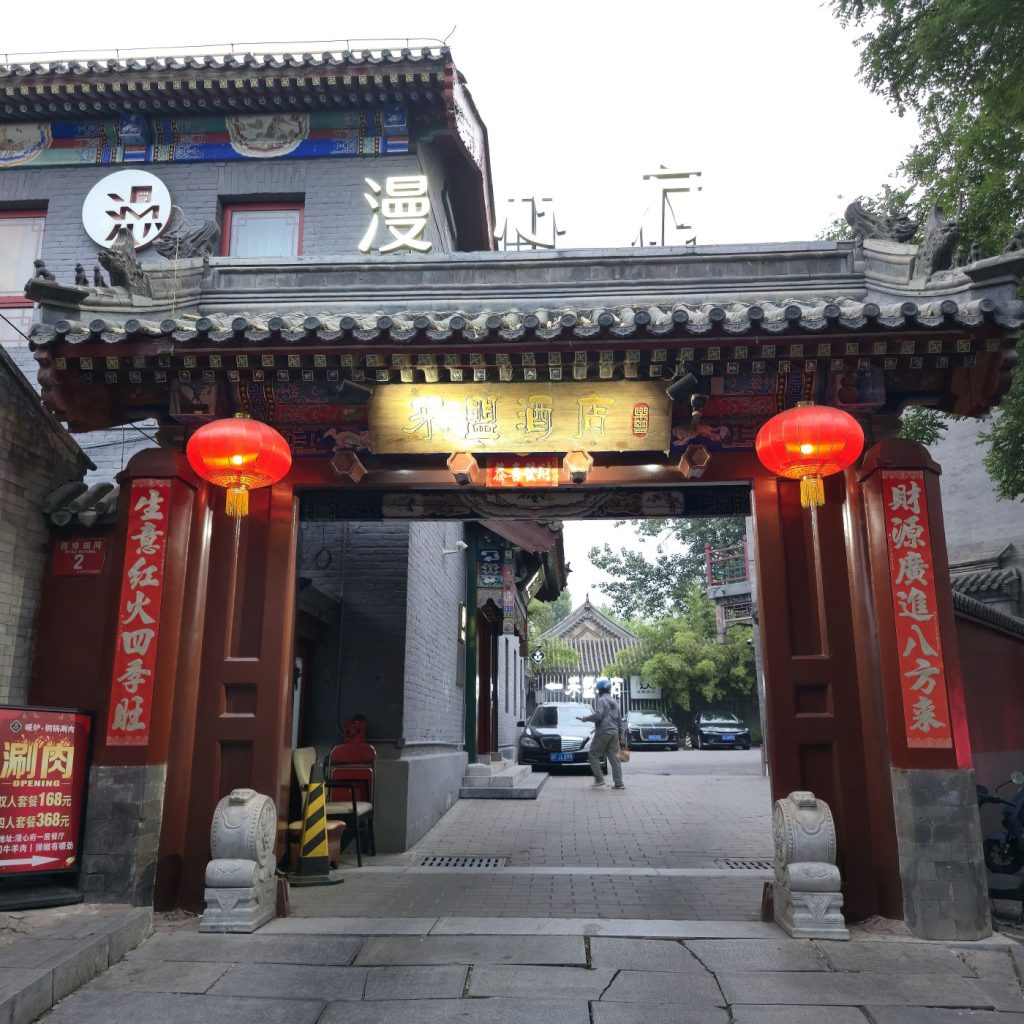
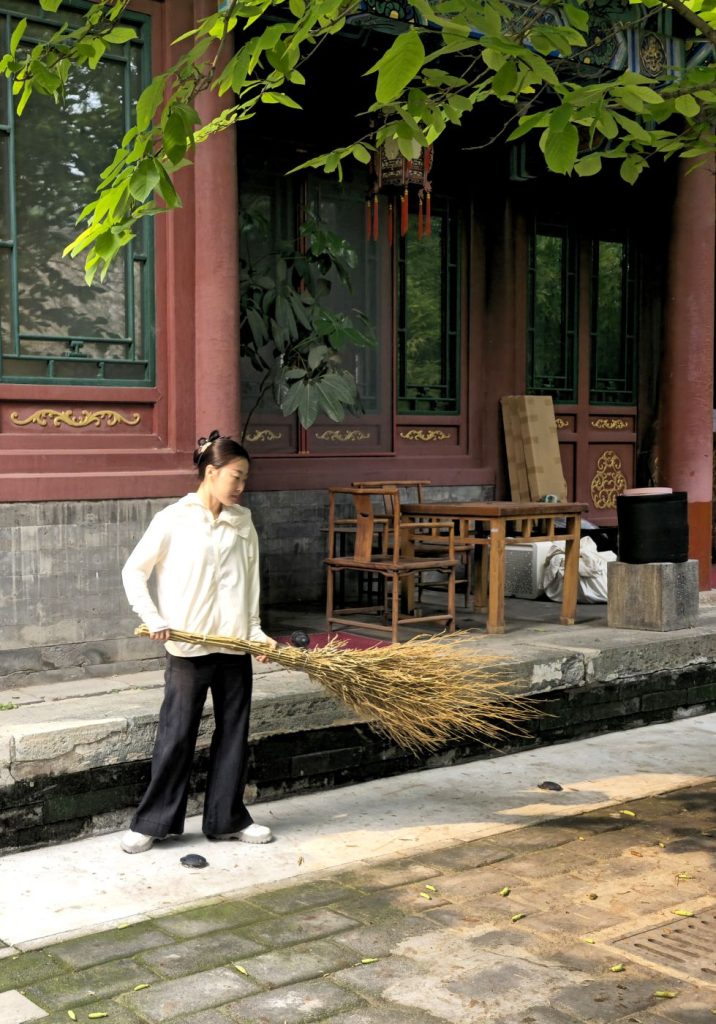
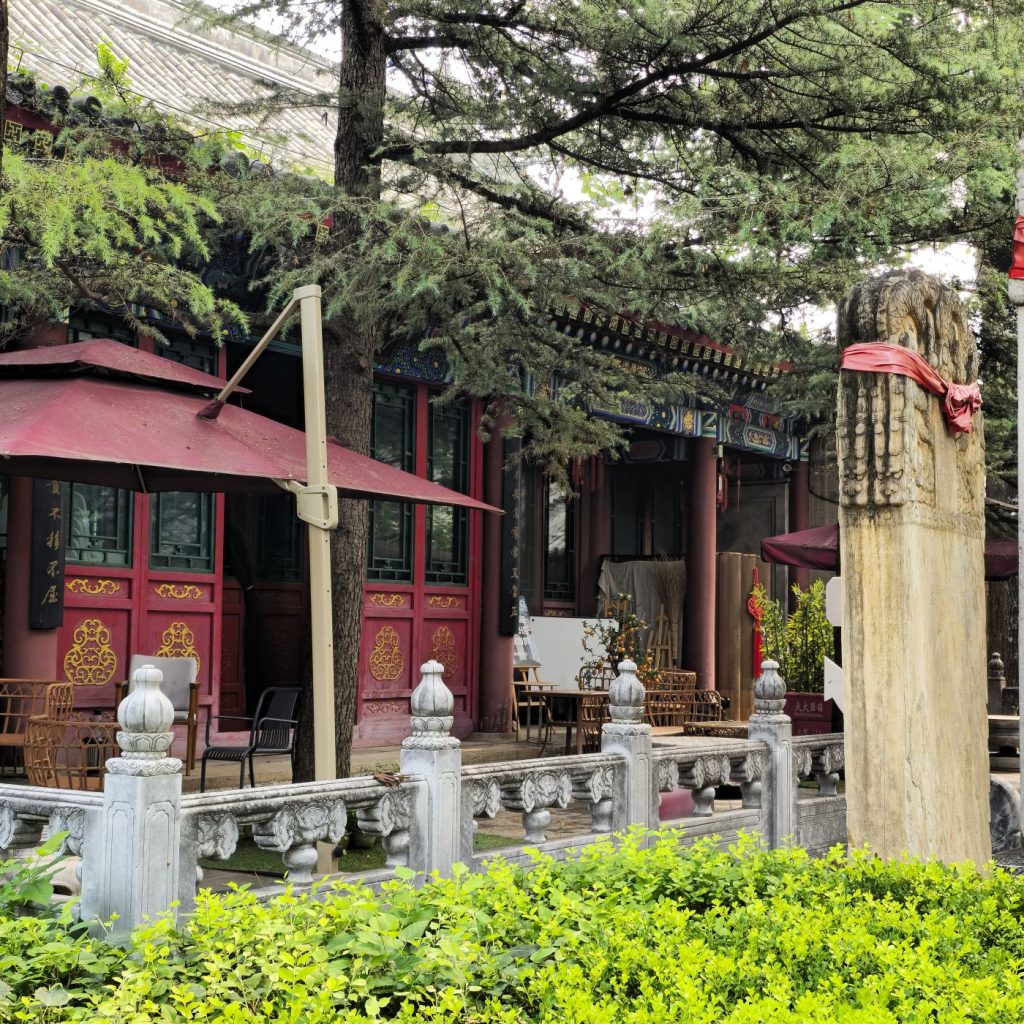
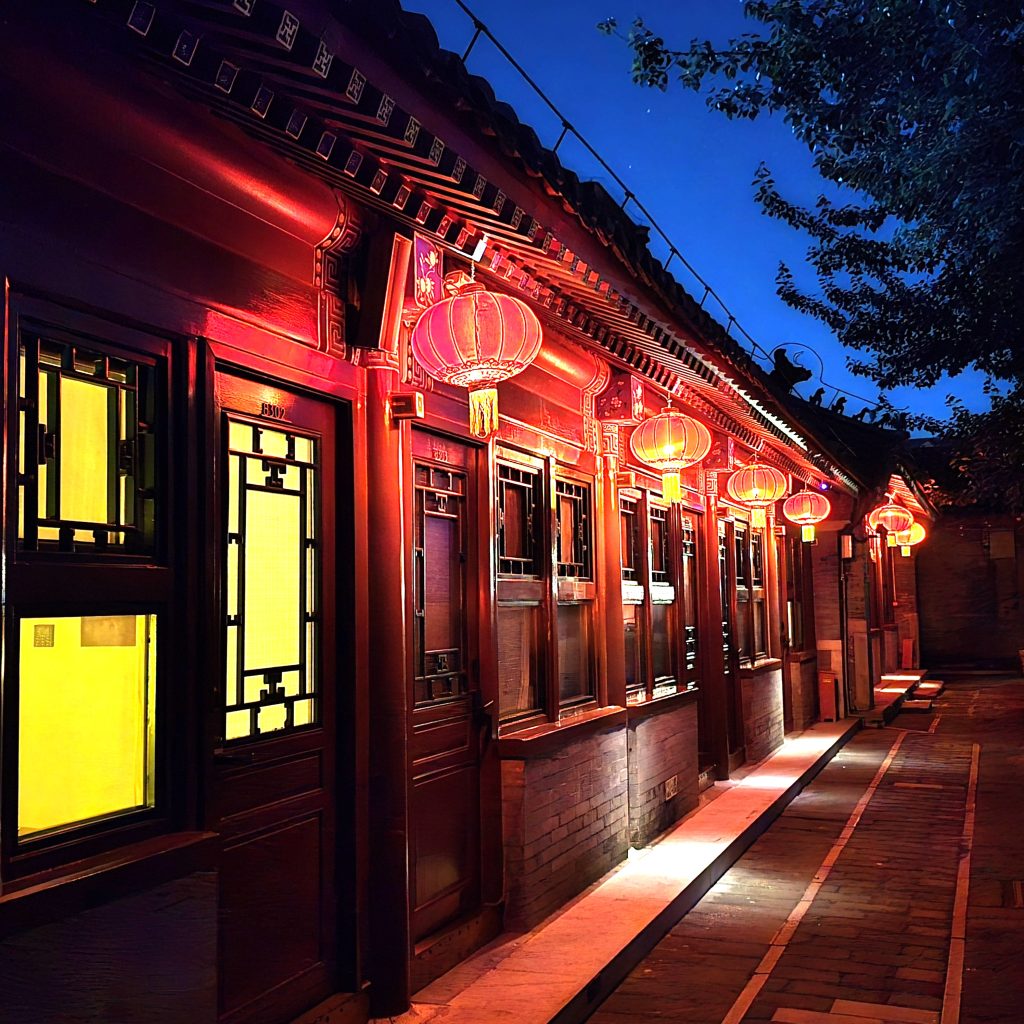
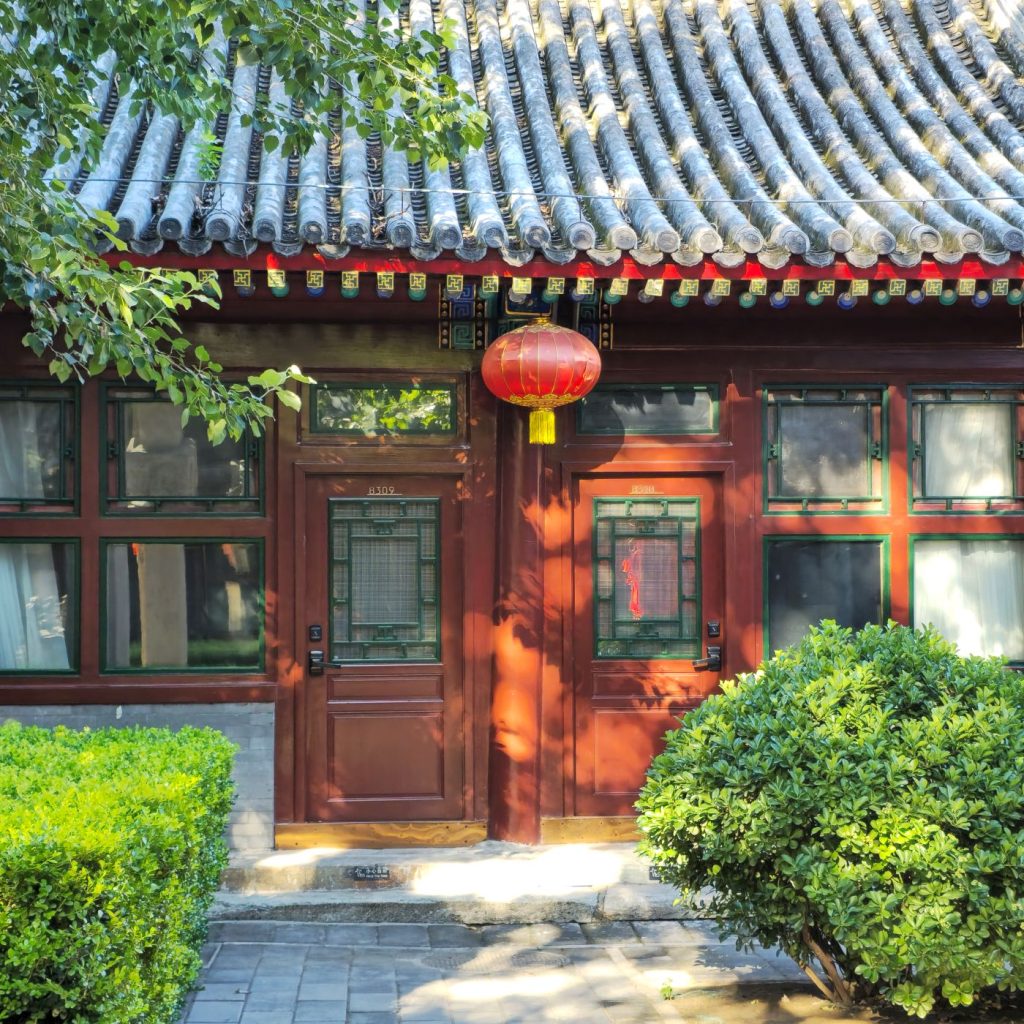
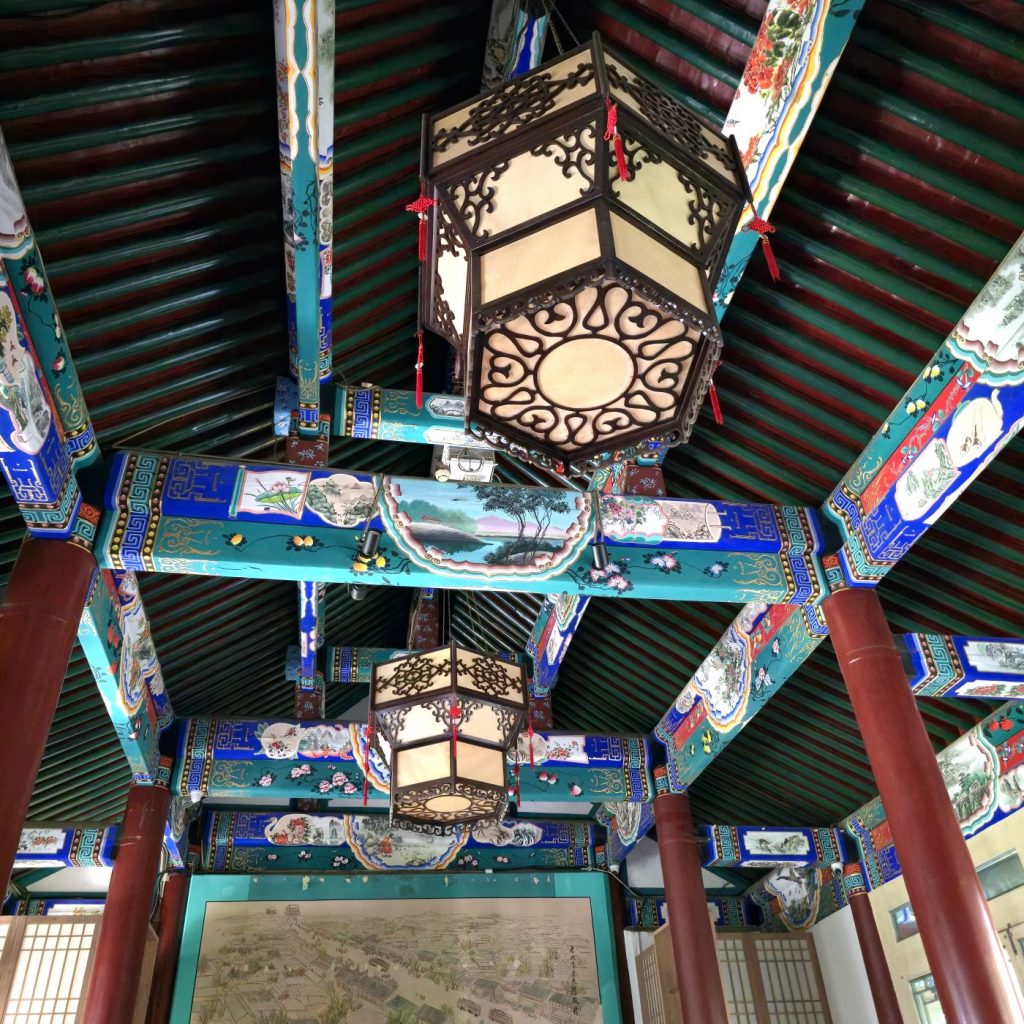
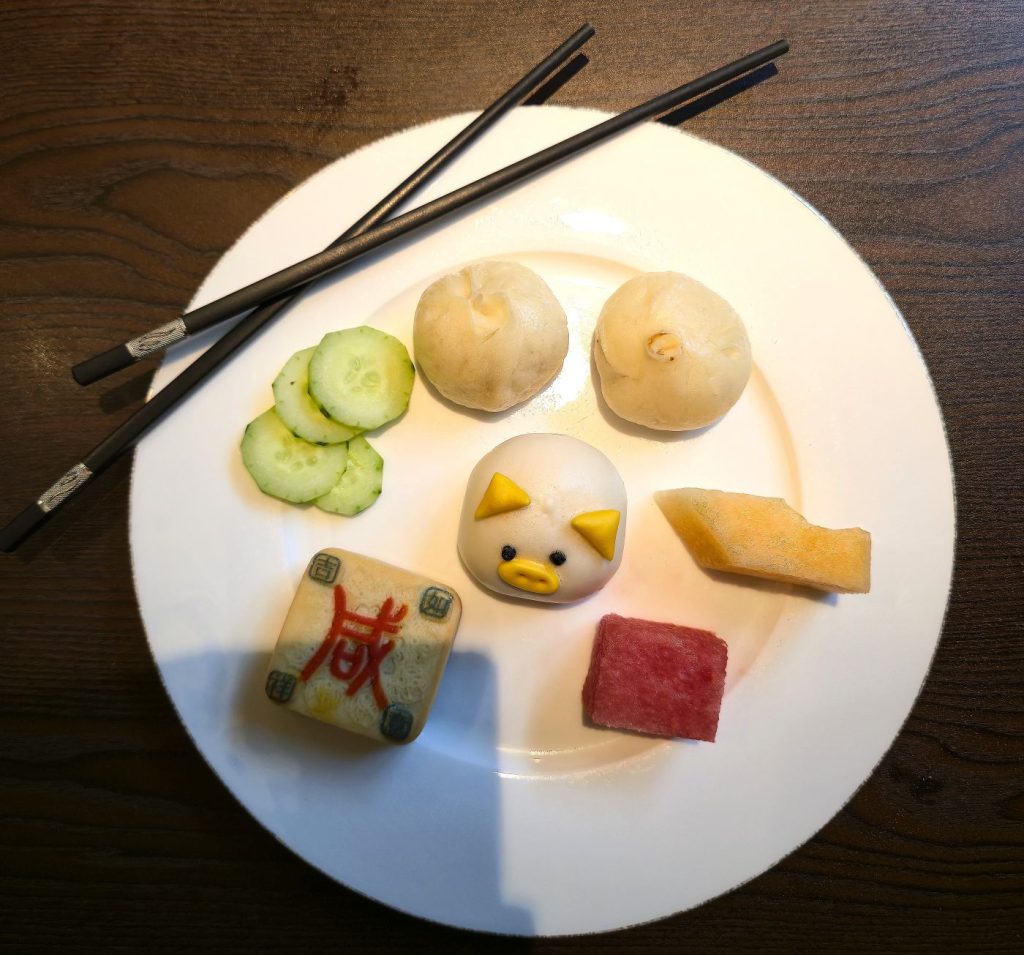
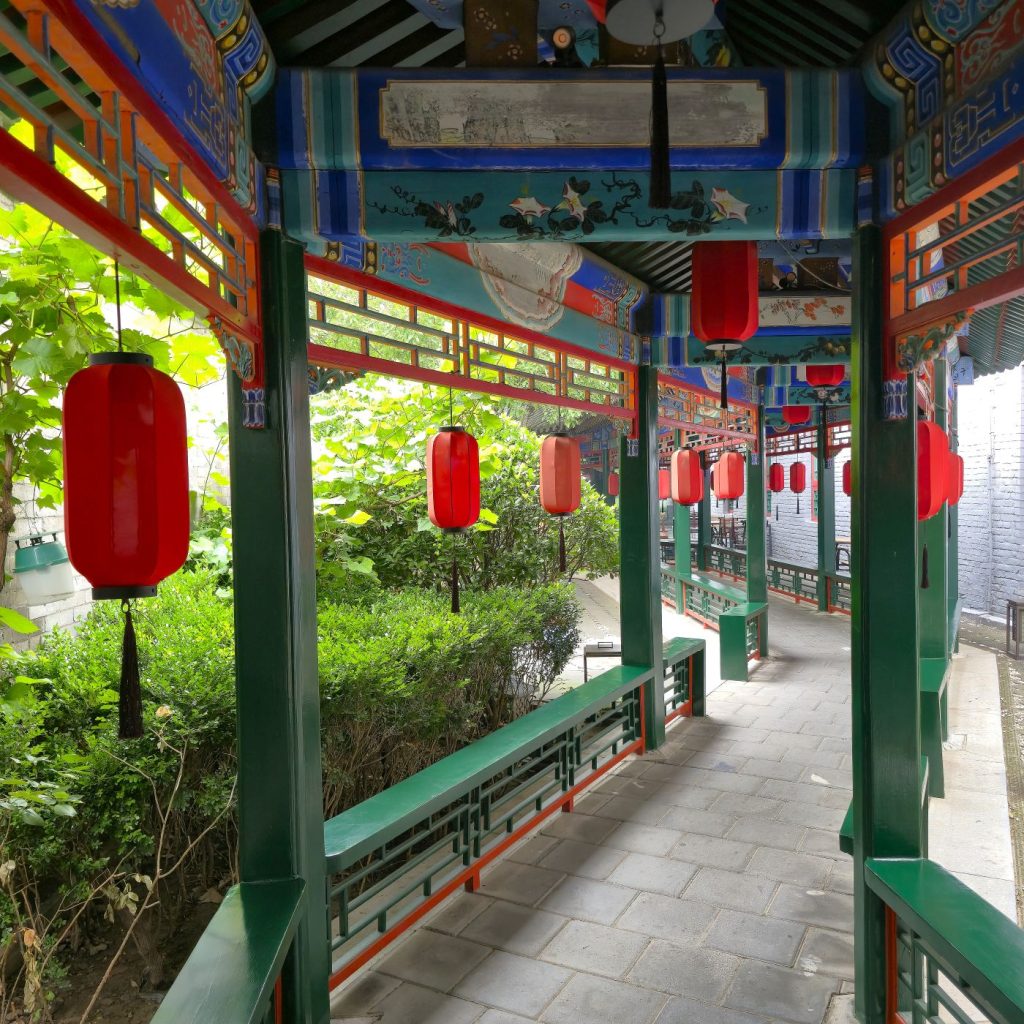
Doris wouldn’t hear of us staying in a tourist high rise hotel. Instead, she worked with her favorite tour company to reserve us rooms in a traditional courtyard hotel in her husband’s old neighborhood. Most of these hotels started out life as many other things, including residences and schools. Ours had a temple in the middle, quiet gardens with koi, and 500 year old stelae. Our quiet, comfortable room was located in a Ming dynasty-era building.
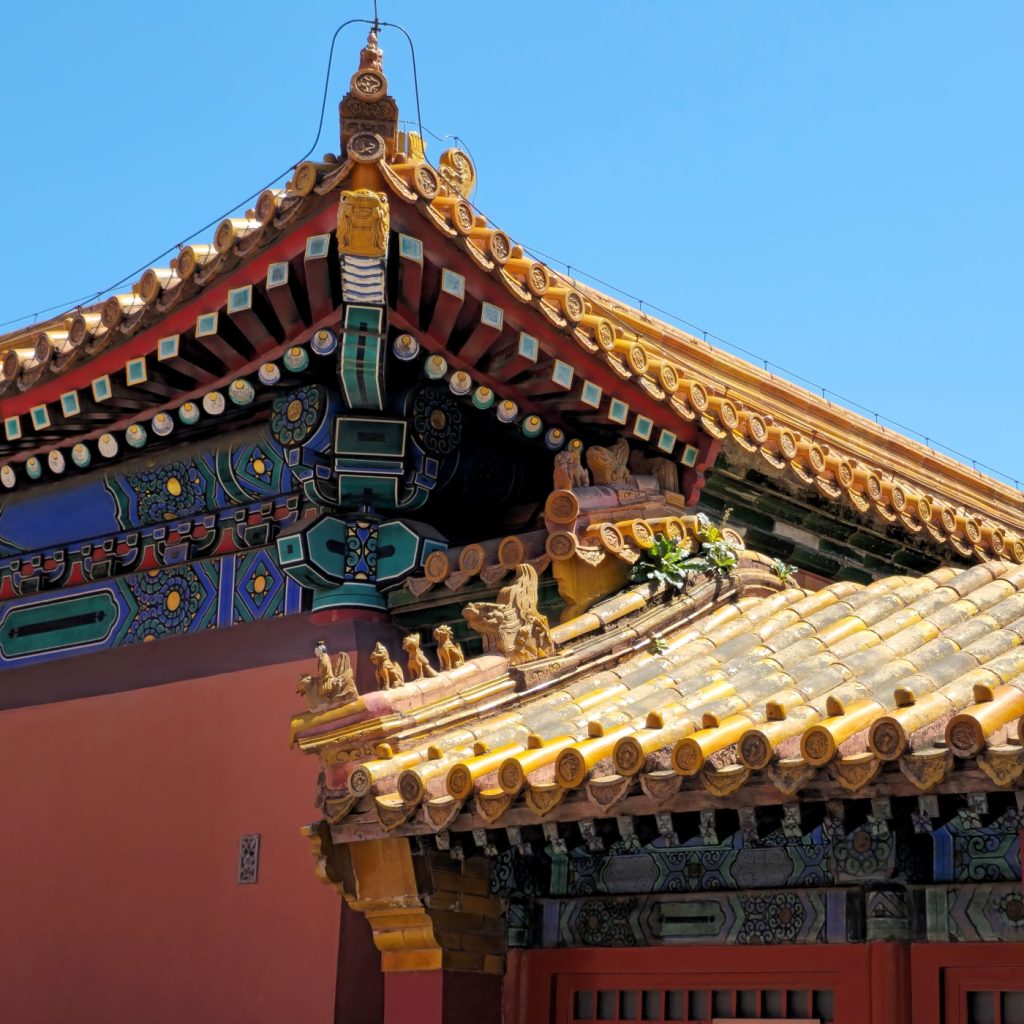
The Forbidden City
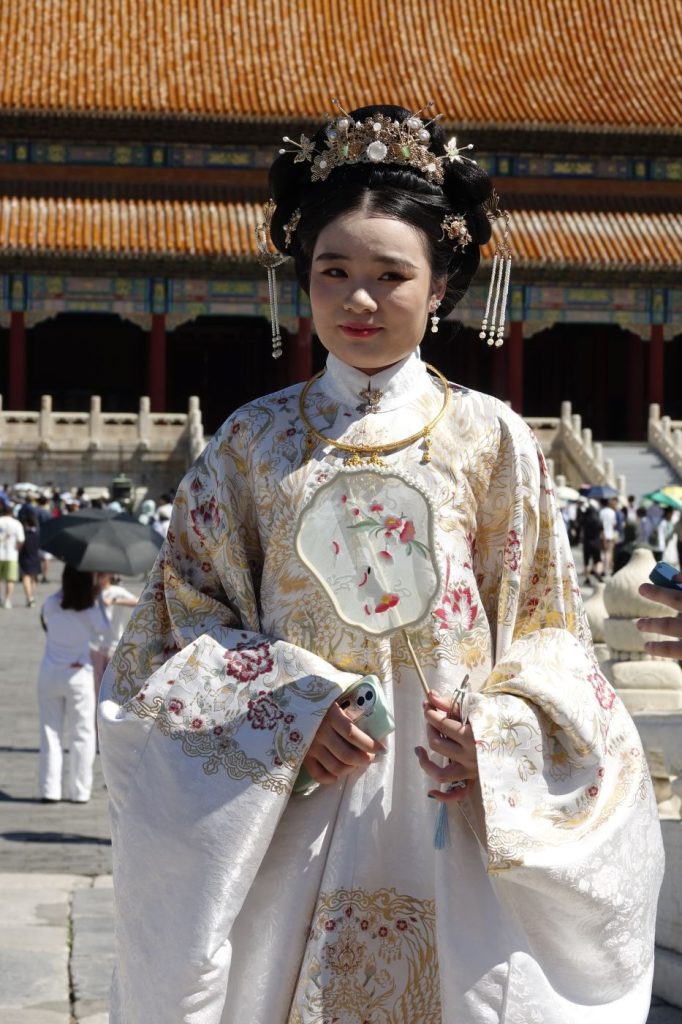
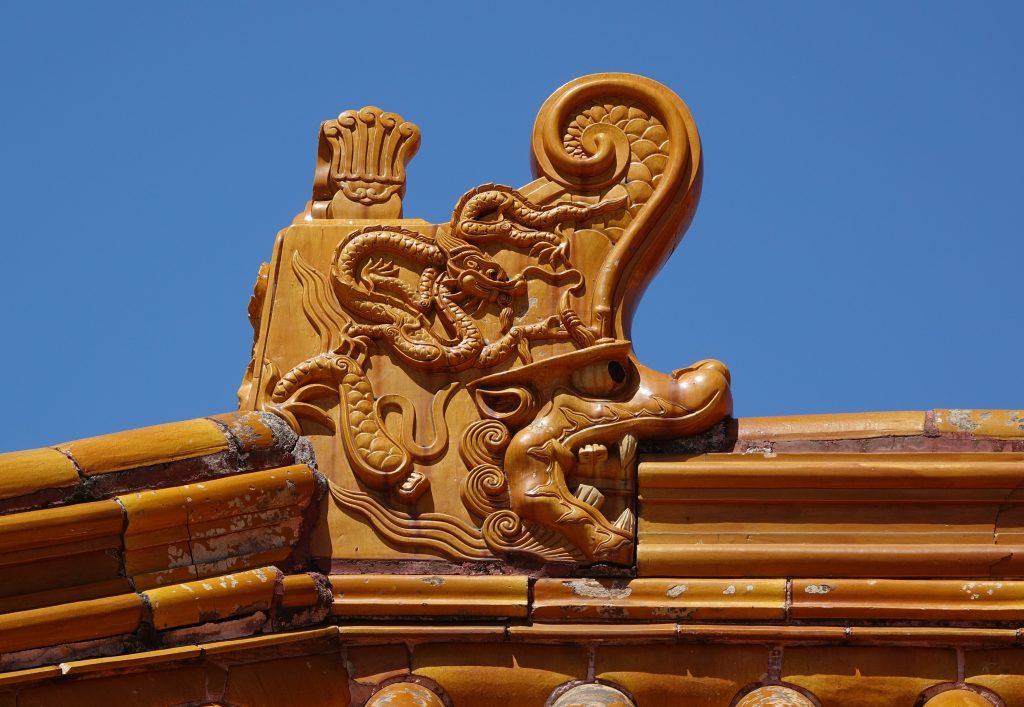
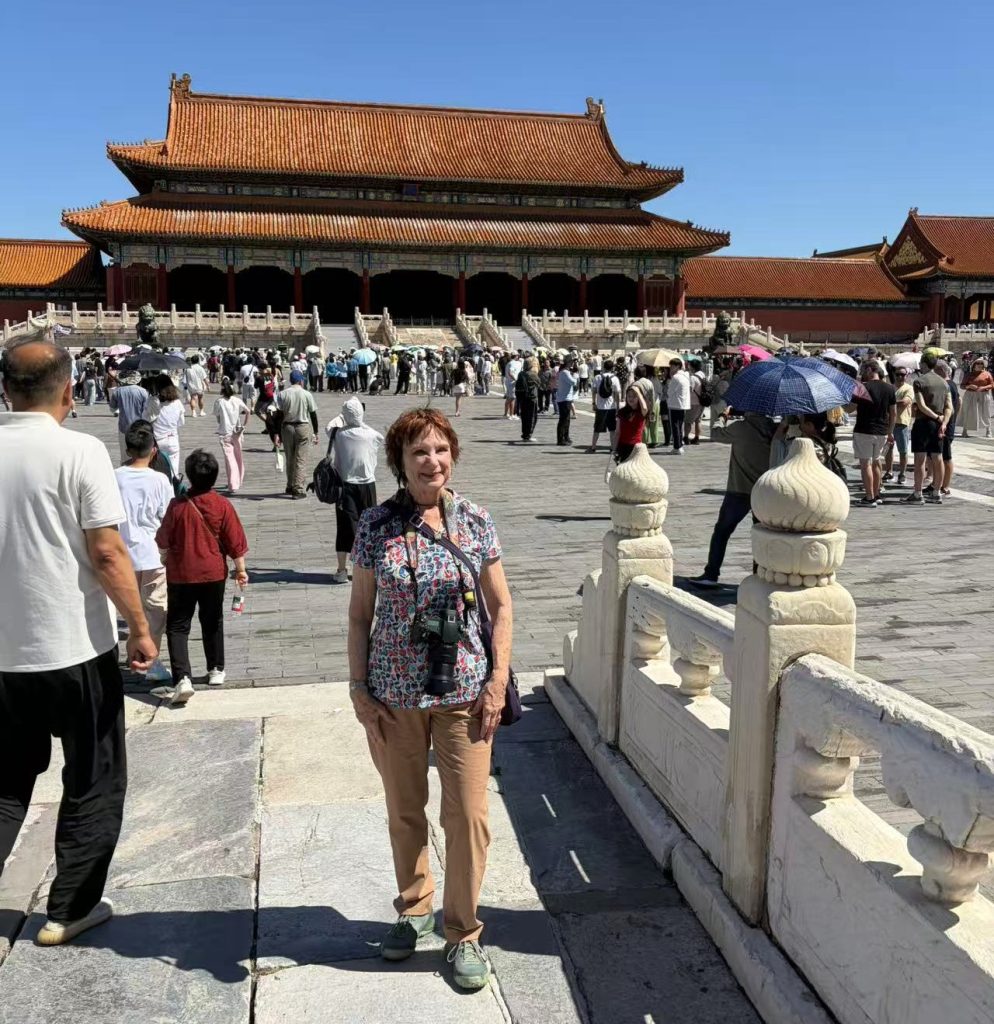
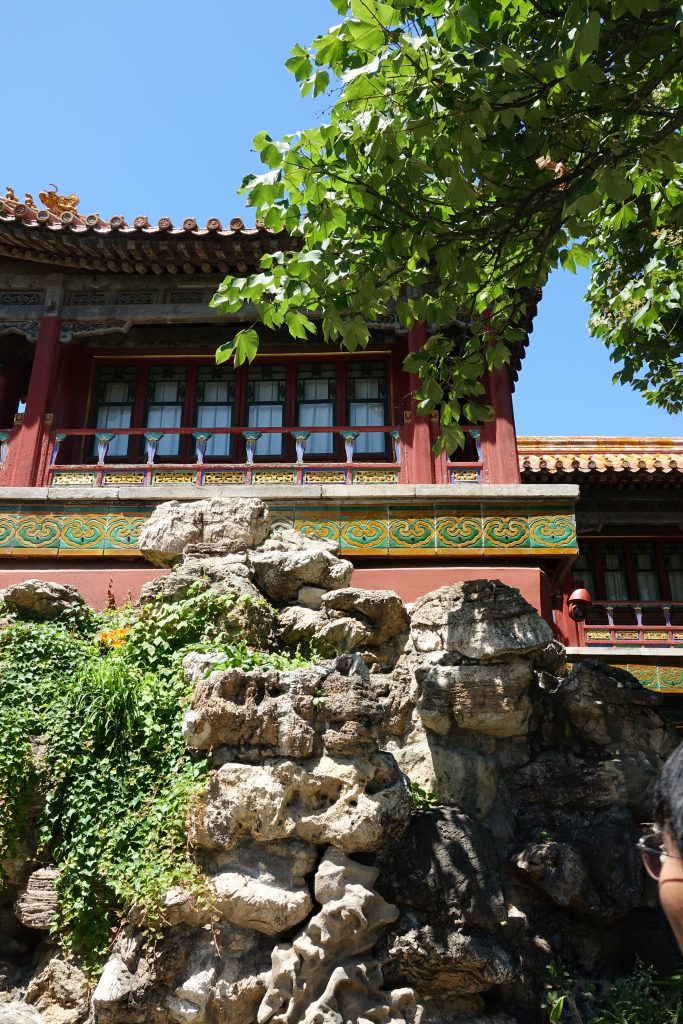
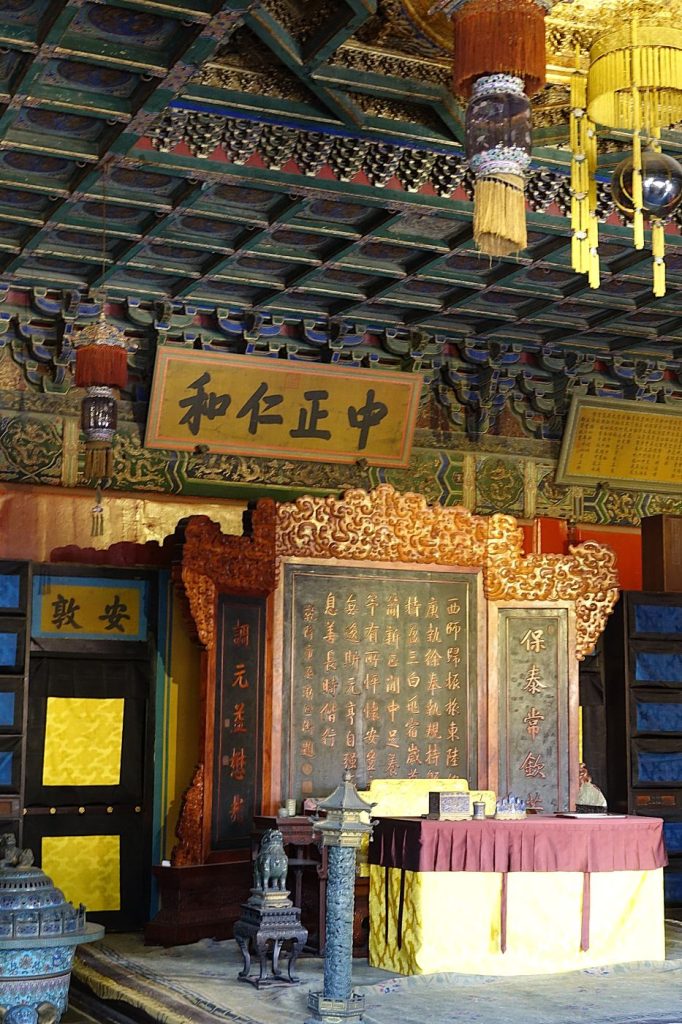
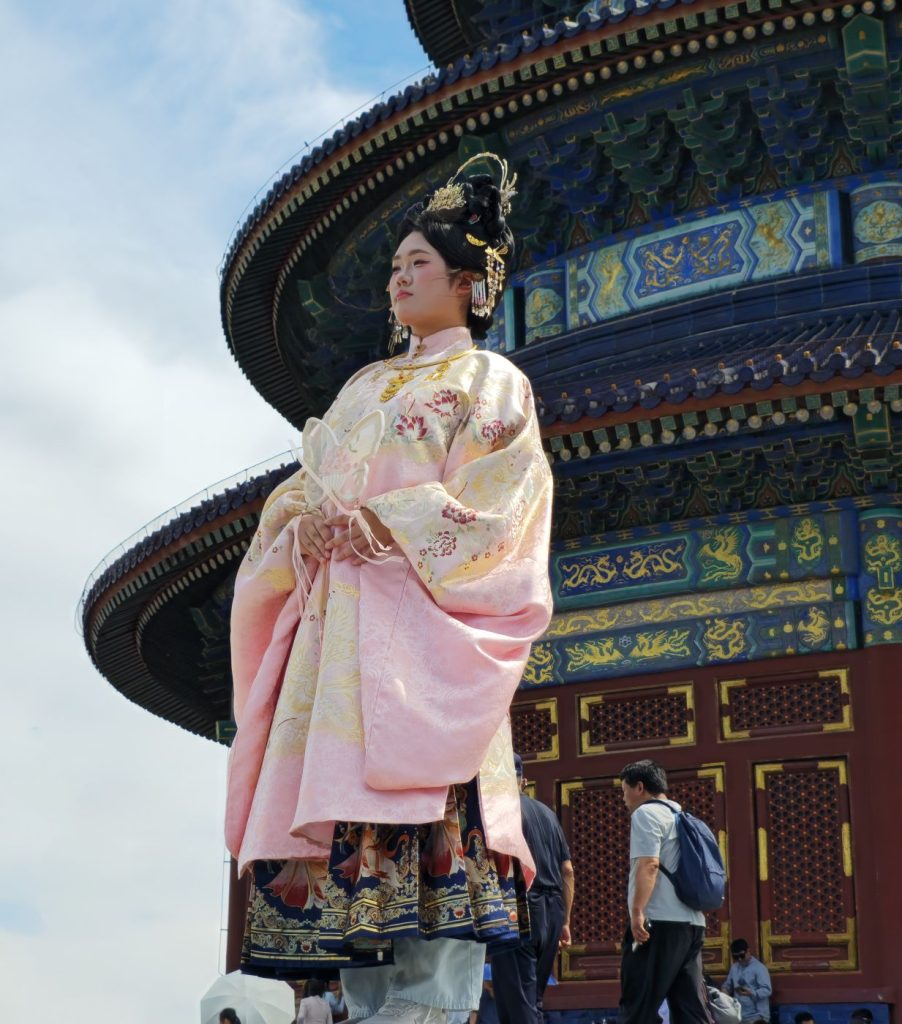
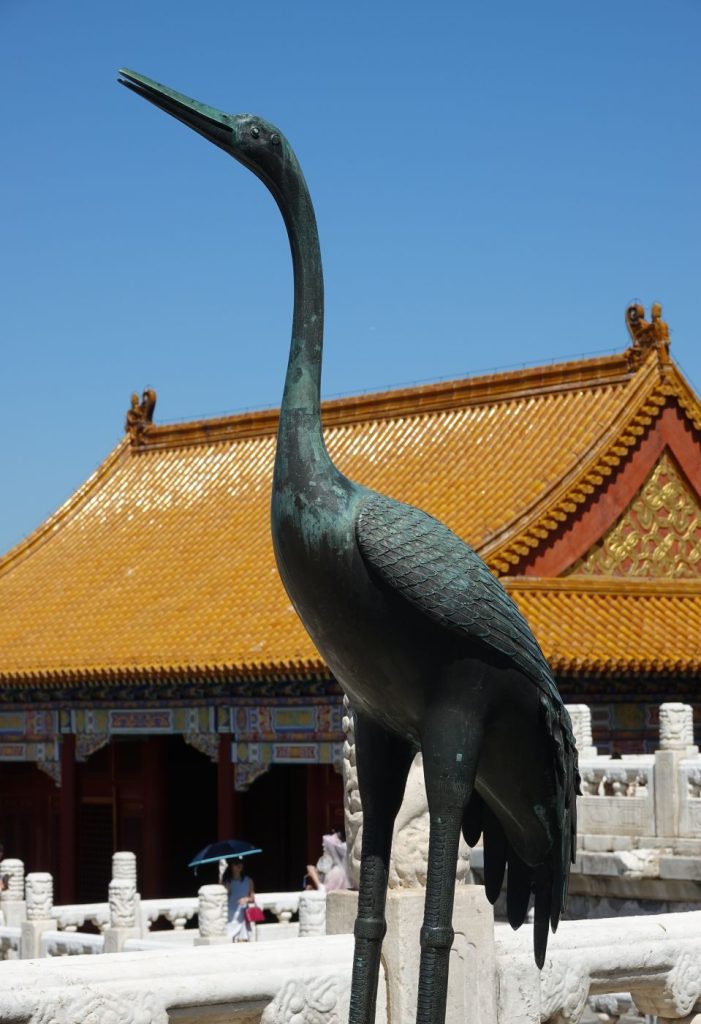
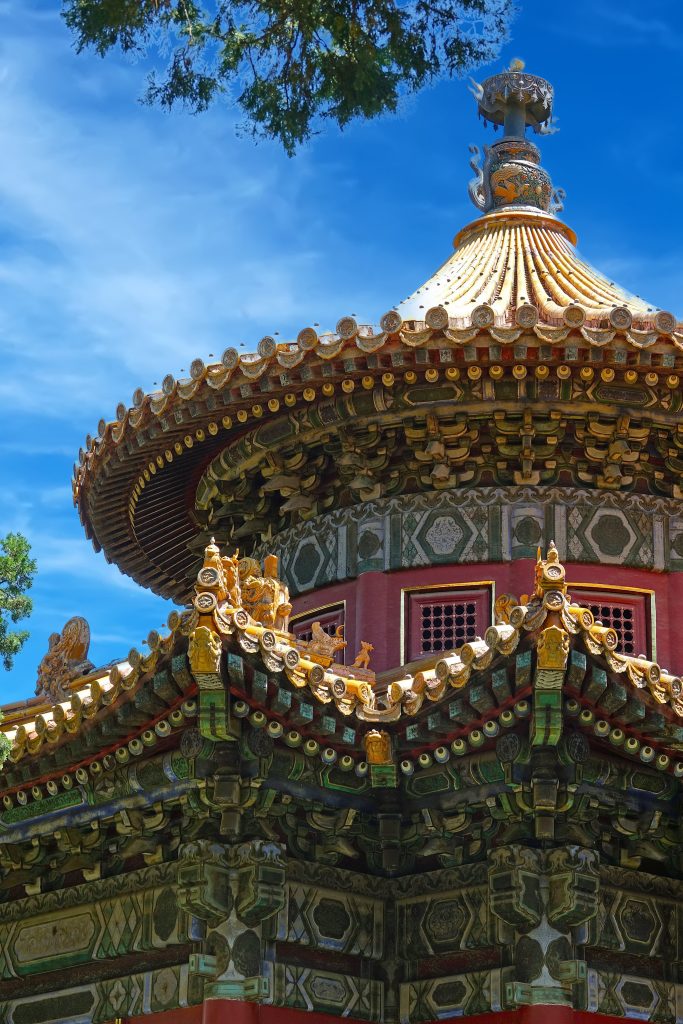
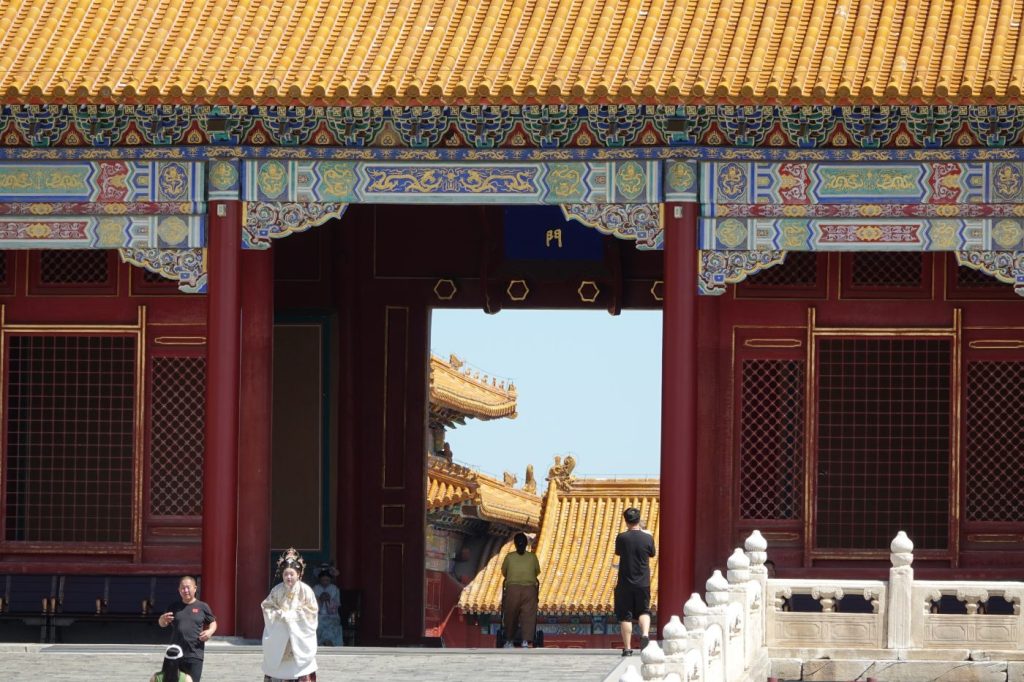
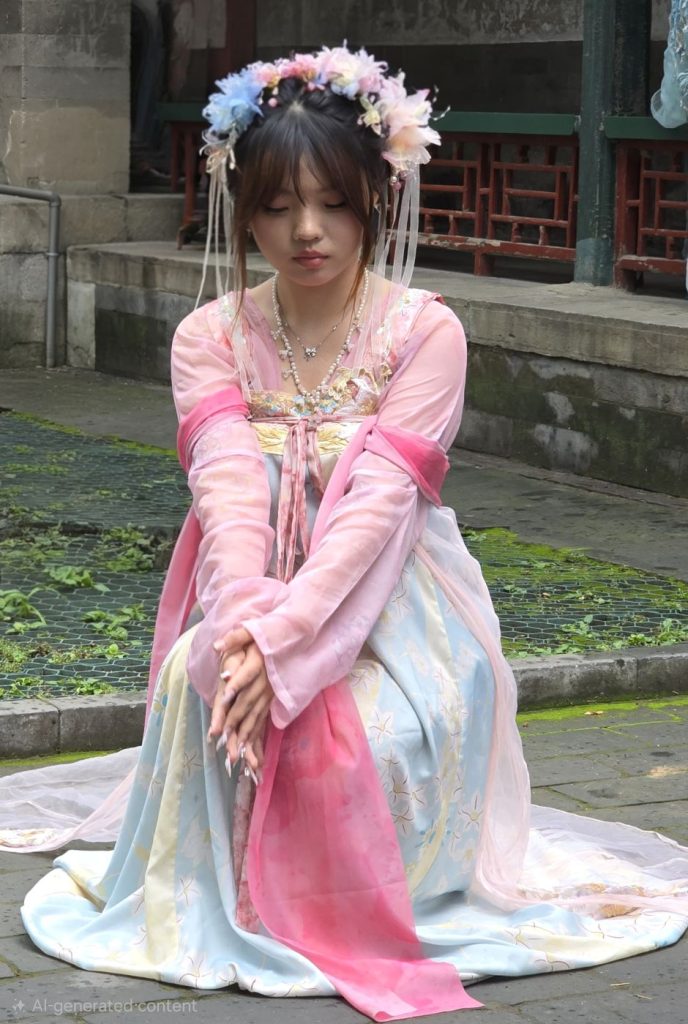
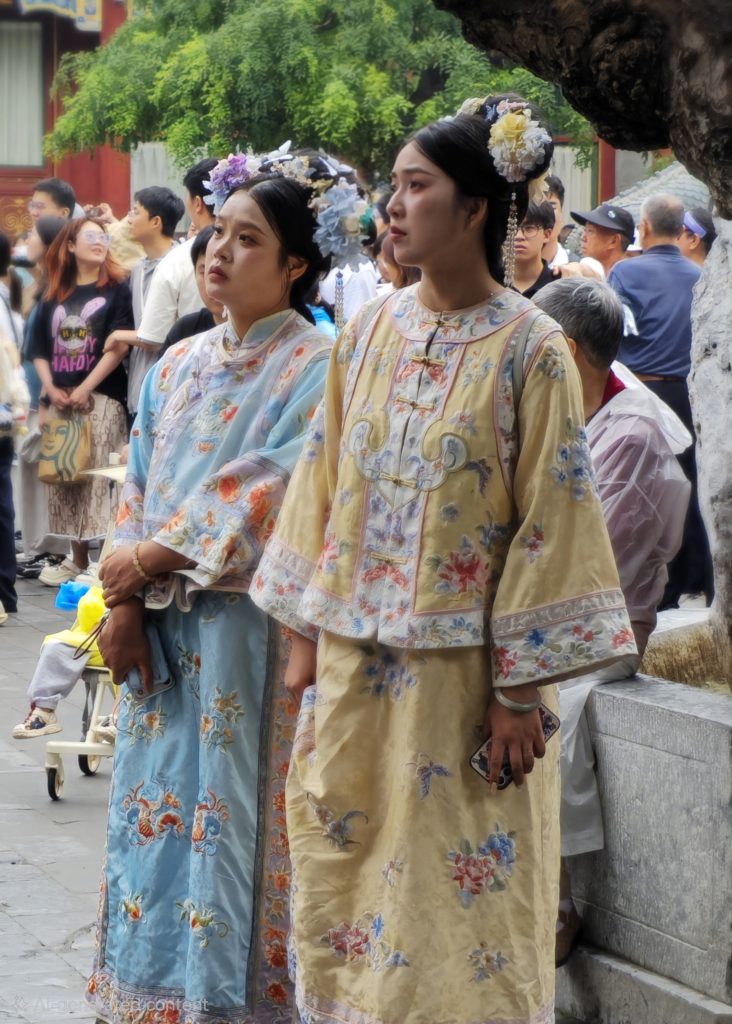
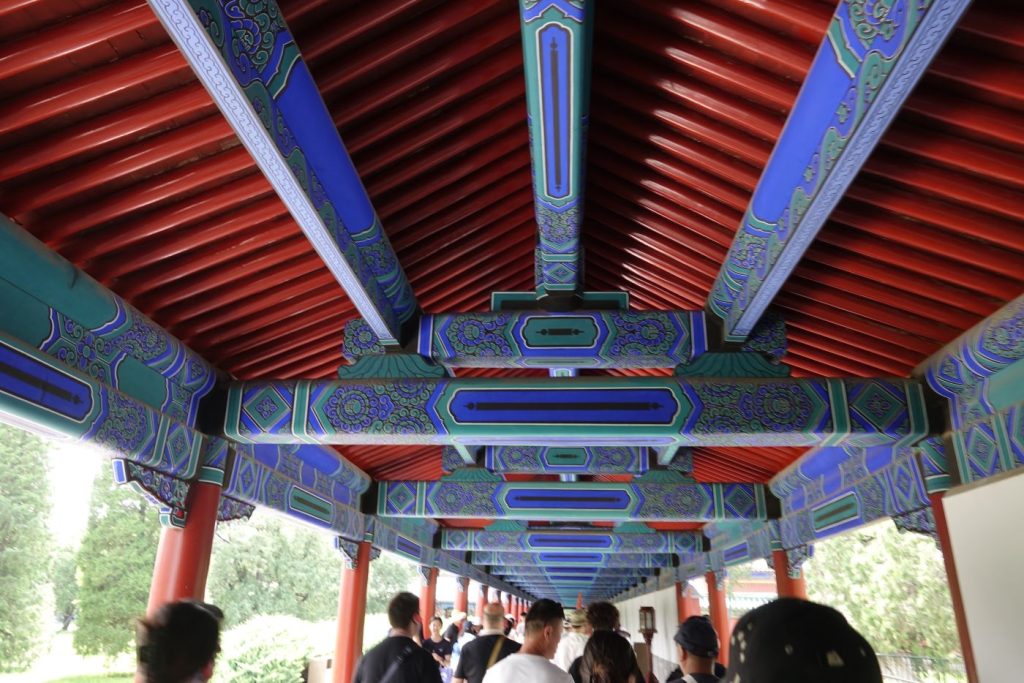
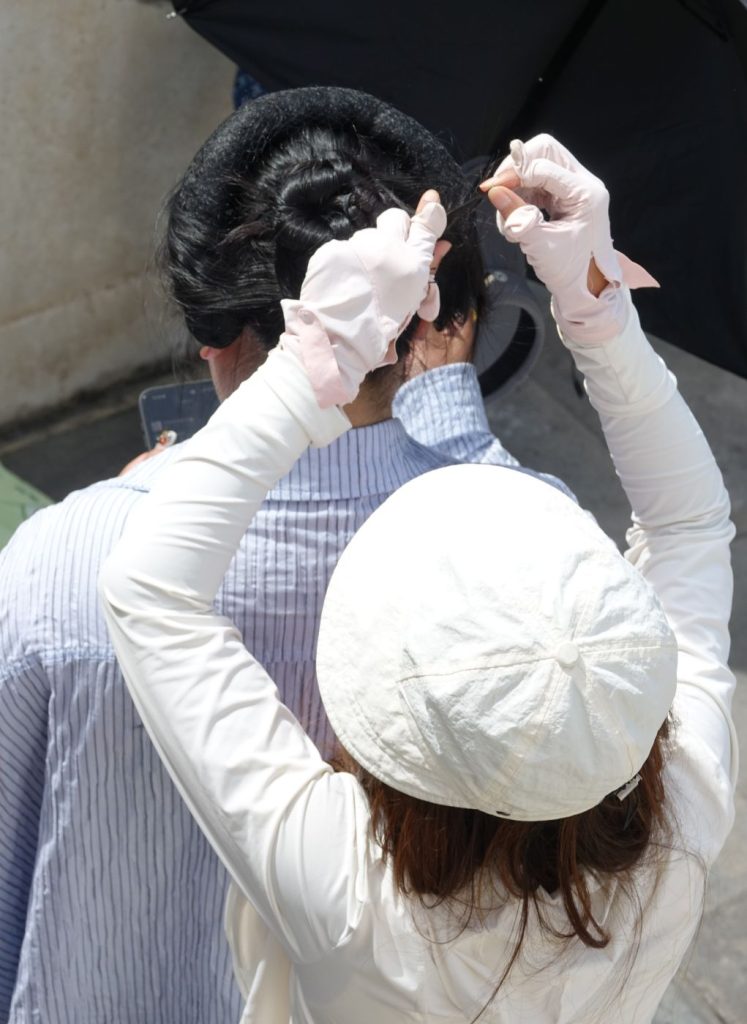
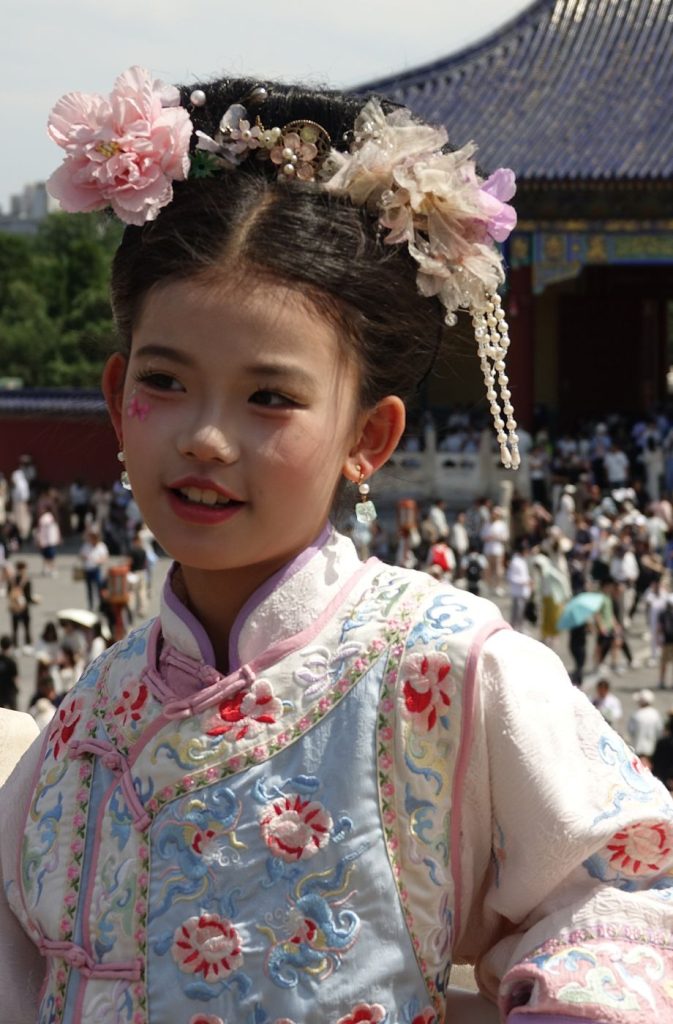
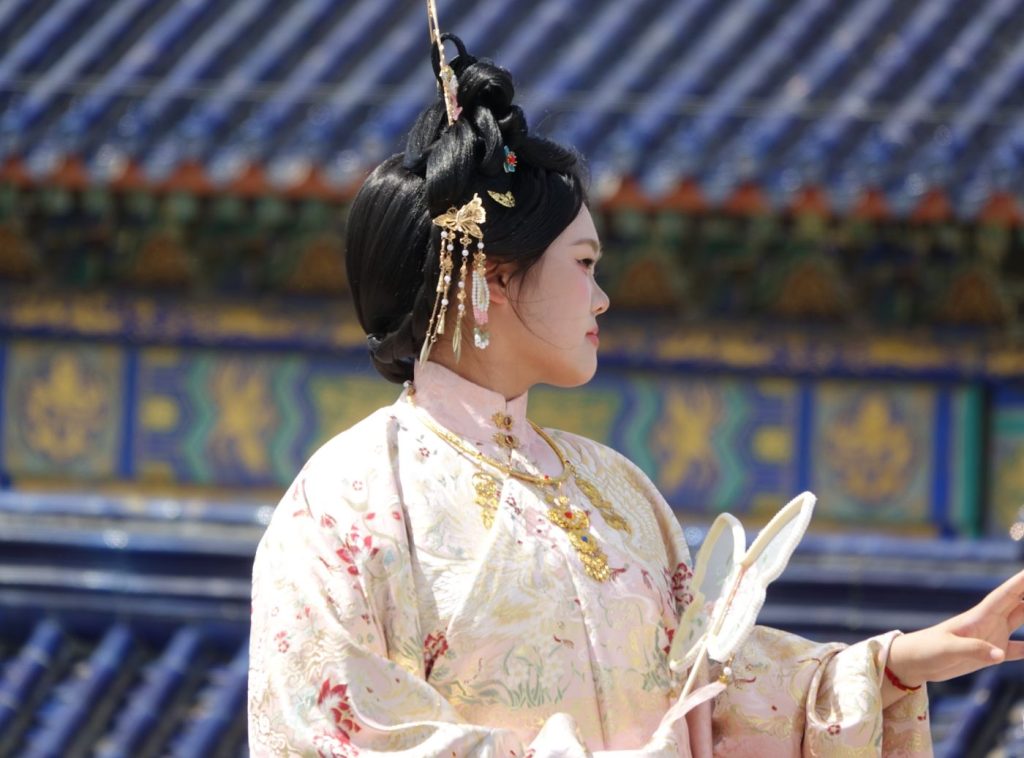
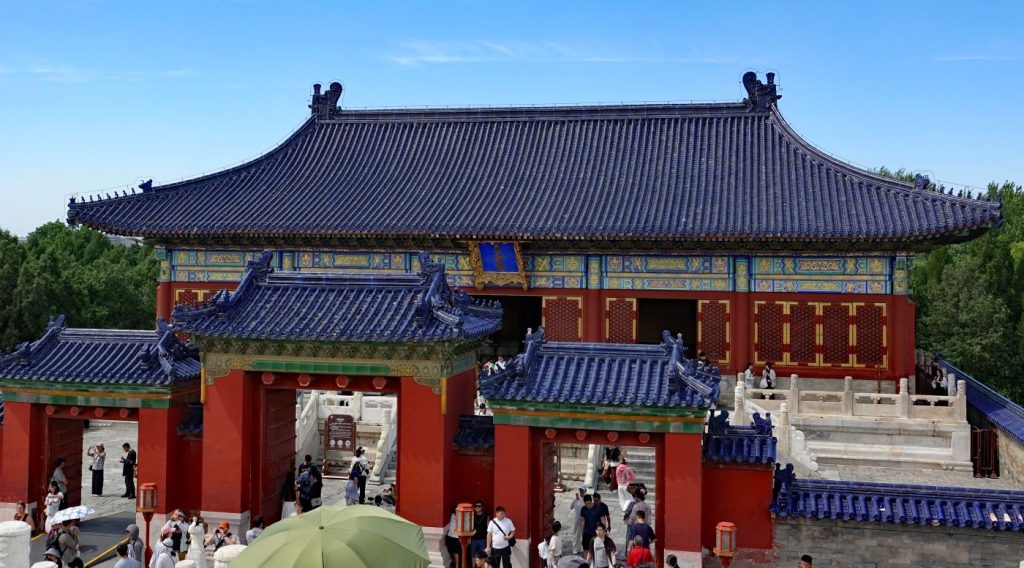
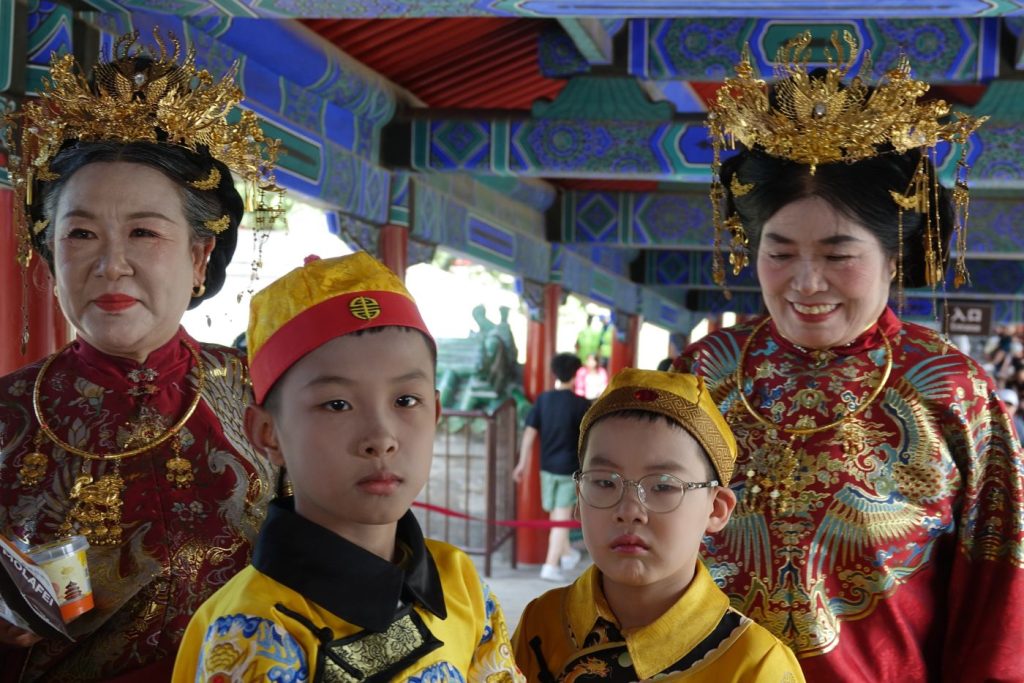
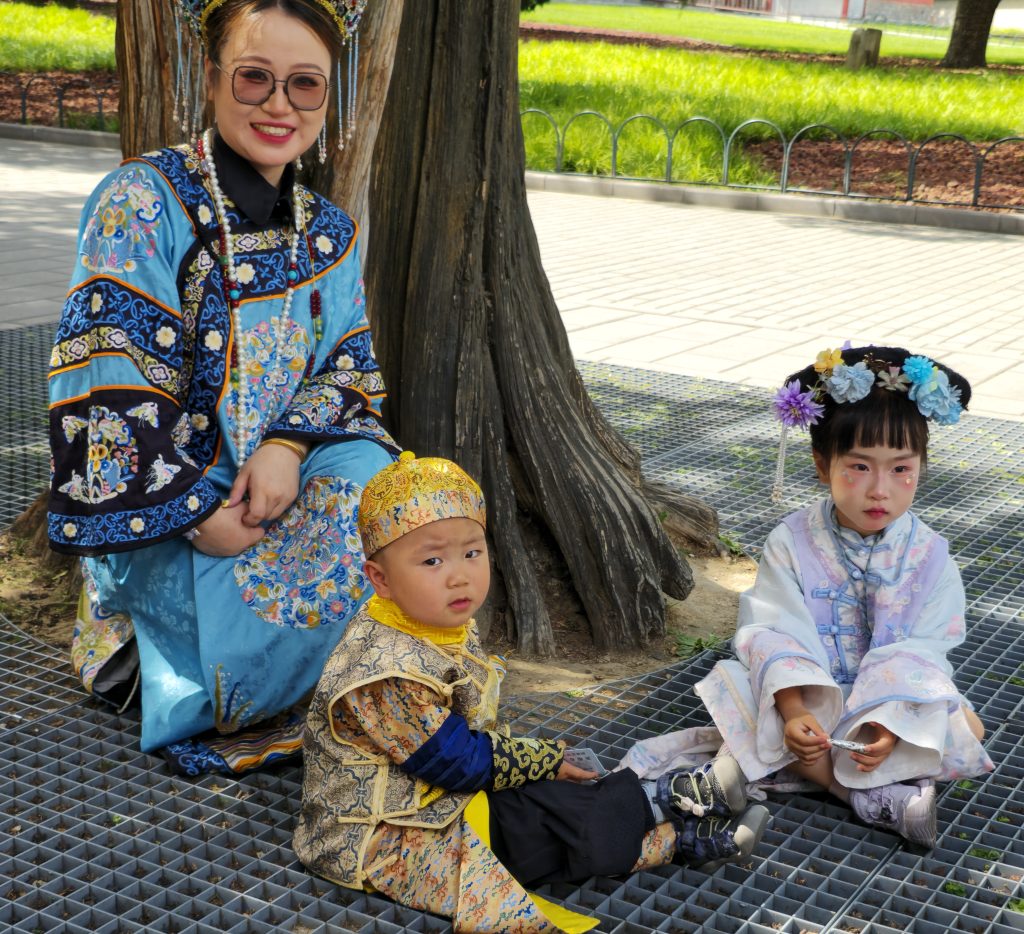
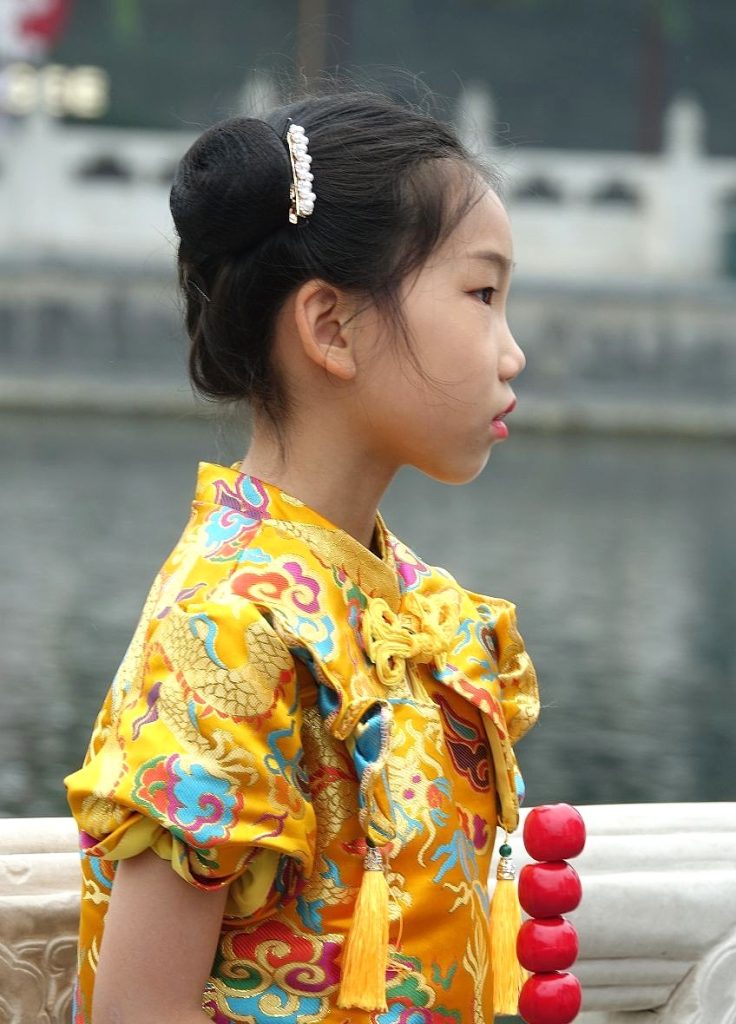
The Forbidden City is the world’s largest imperial palace complex, serving 24 emperors for almost 500 years. Built between 1406 and 1420 by the Ming dynasty, the site was the primary residence of the emperors and was home to the thousands of people who served them. The grounds are austere, devoid of trees but with a beautiful garden outside of the confines of the City. People, particularly young women, love to dress in traditional clothes for photo sessions (or perhaps just for the fun of strolling in the beautiful garments. You’ll see those images throughout this posting.
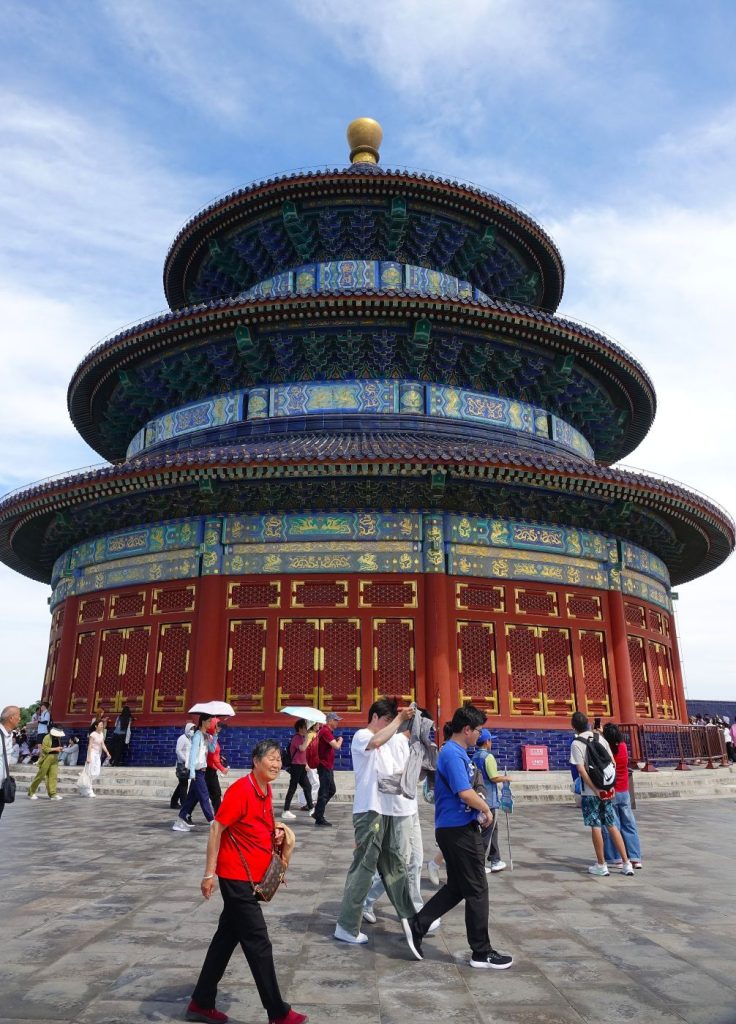
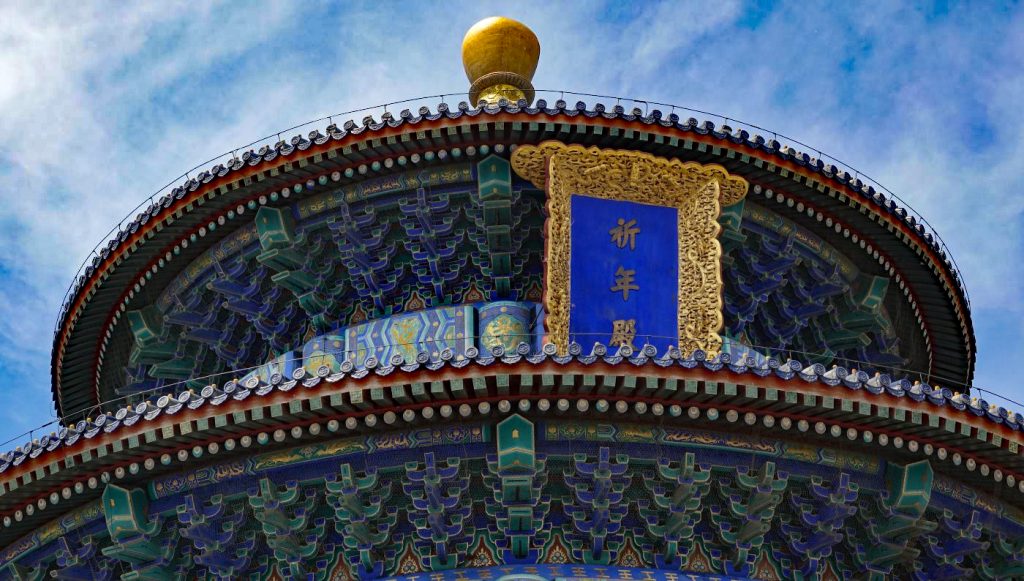
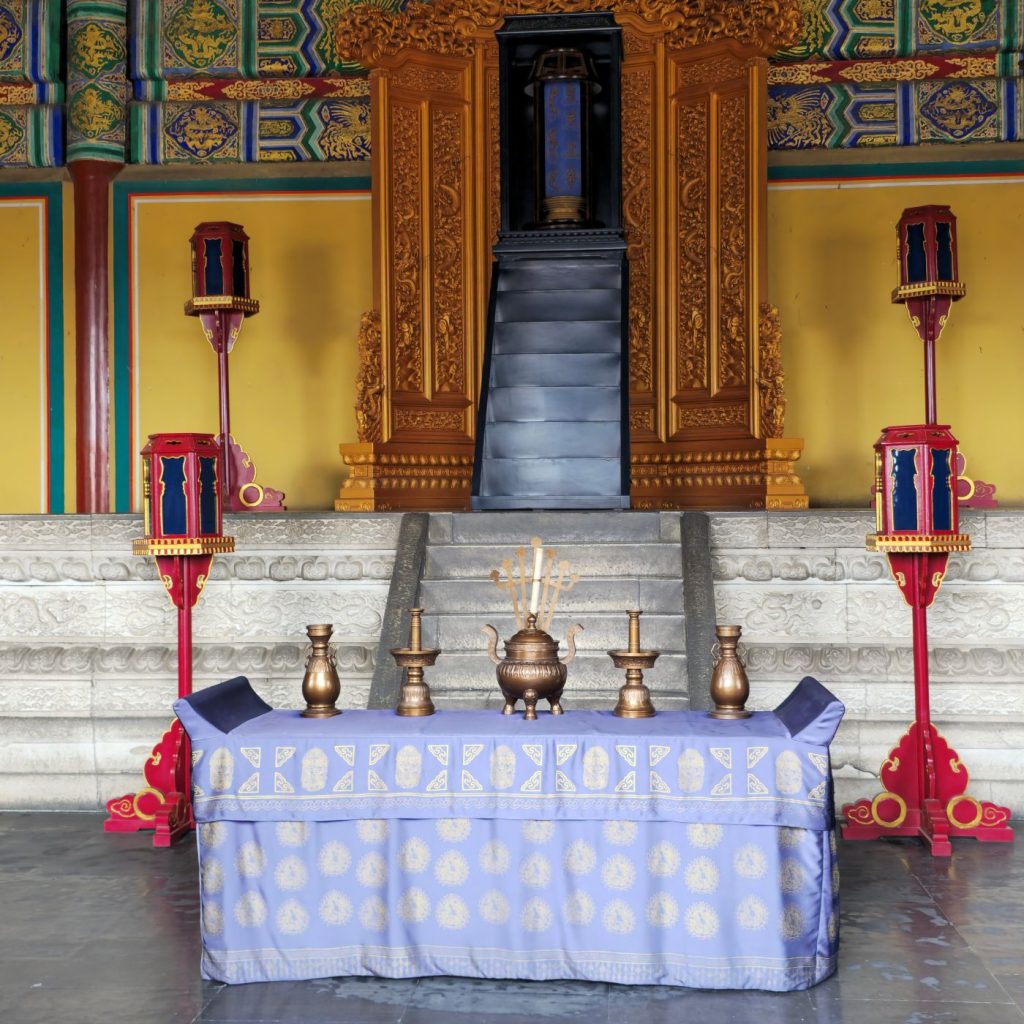
The Hall of the Prayer for Good
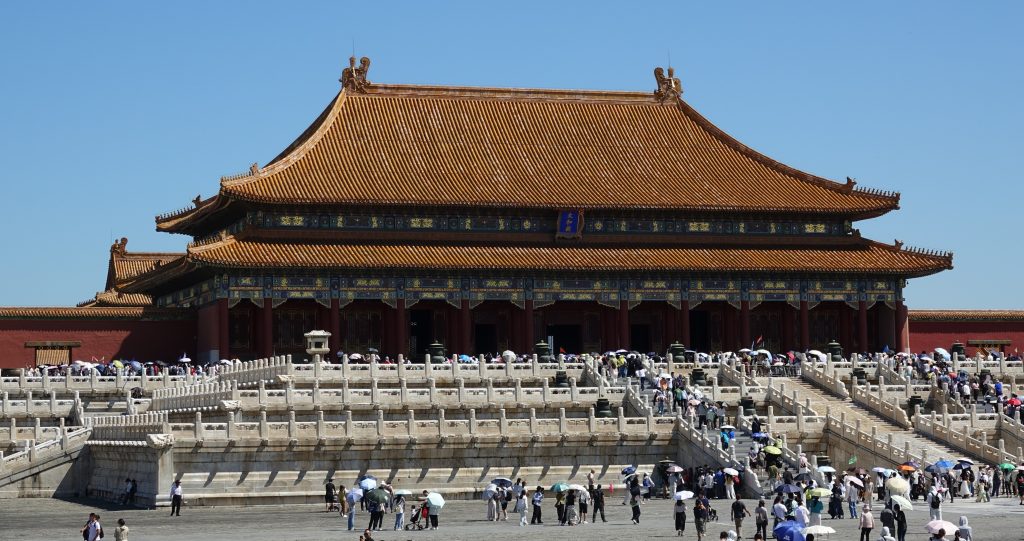
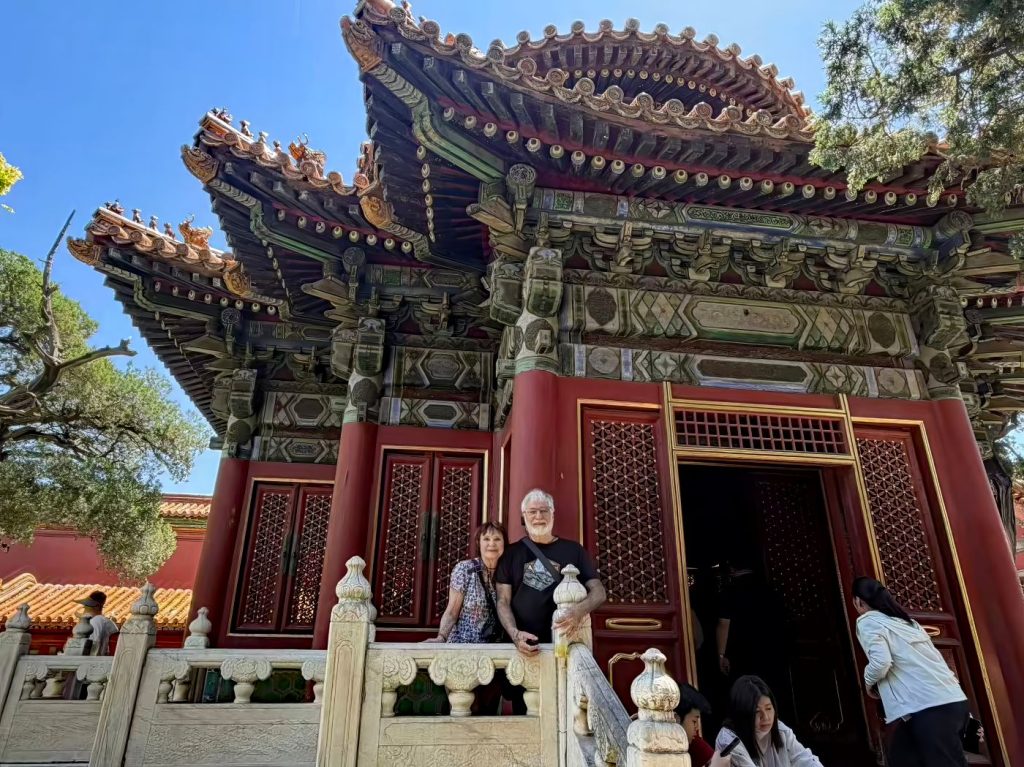
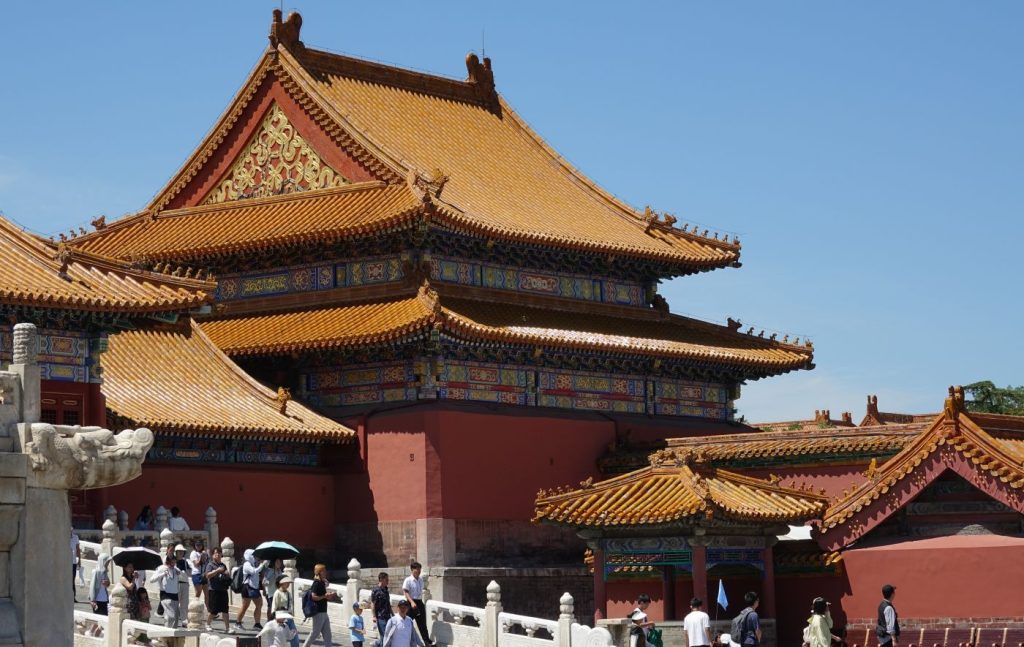
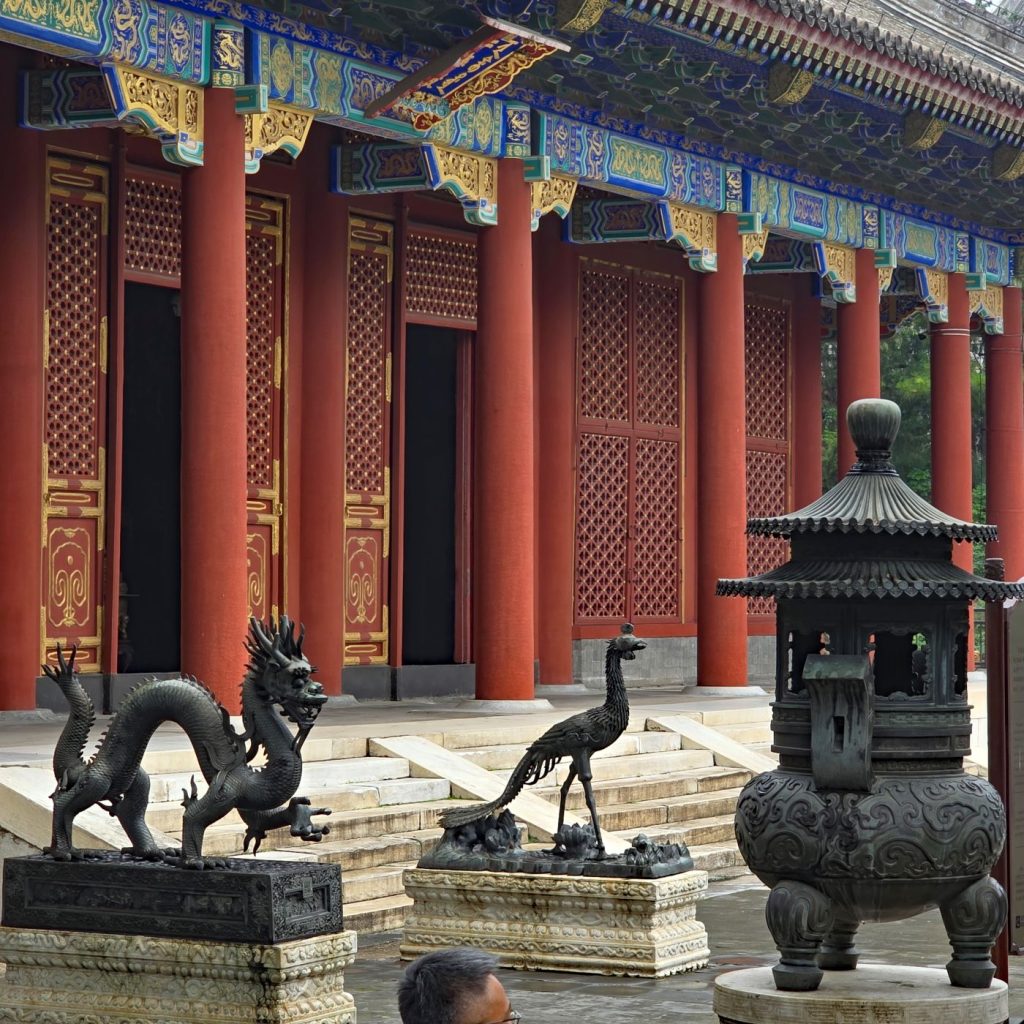
The Temple of Heaven
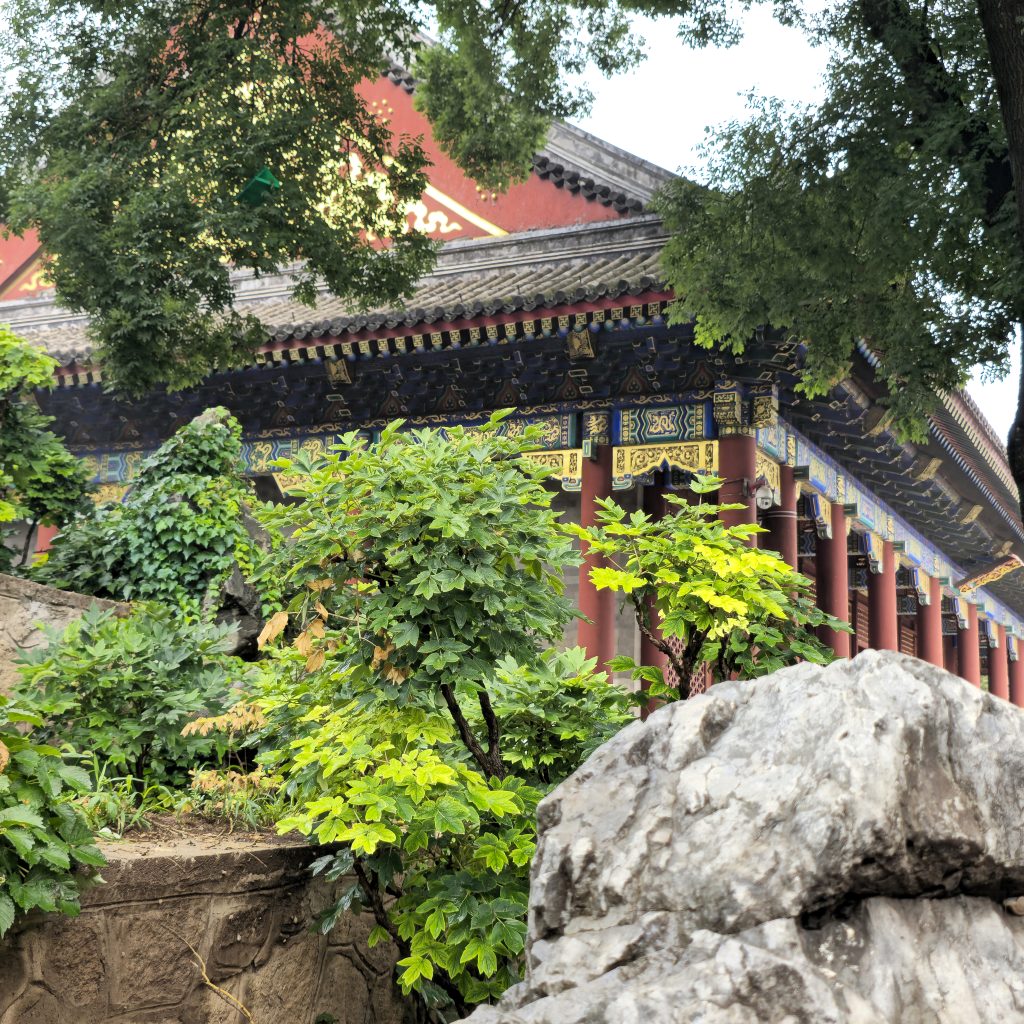
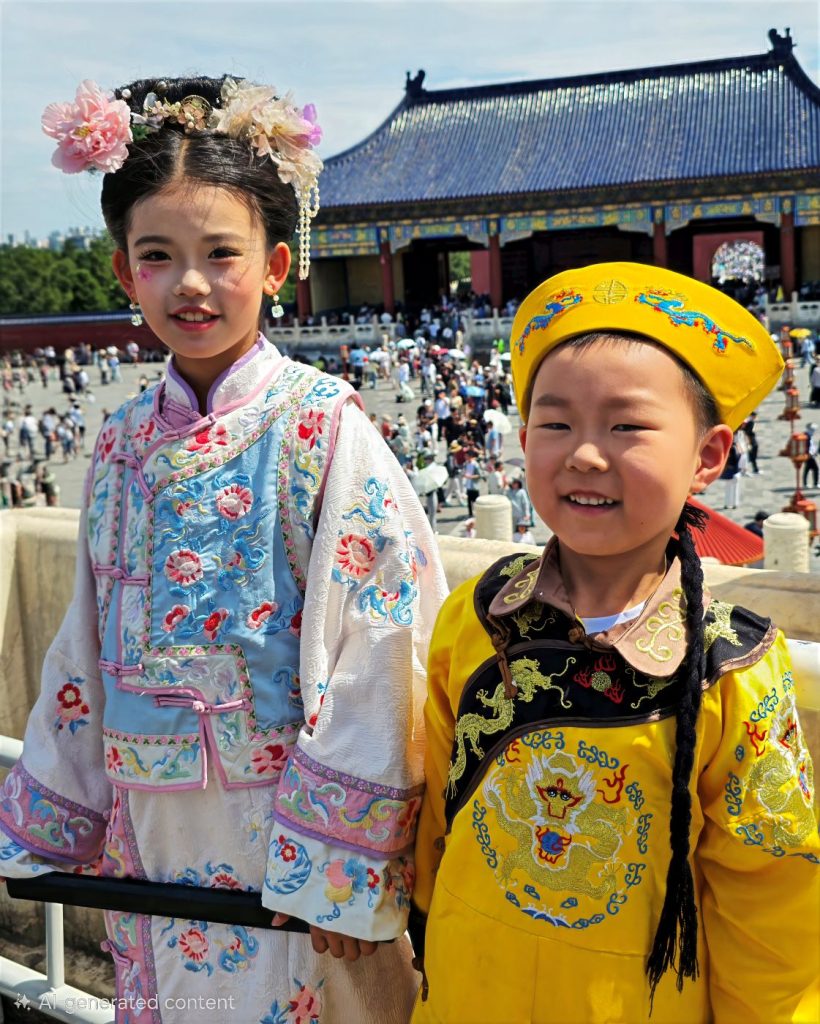
The Temple of Heaven was a sacred space; ordinary people were forbidden from even watching the processions leading to the prayers for good harvest. Note: I have done my best to be accurate about where photos were taken, but please let me know if I have misassigned any temple.
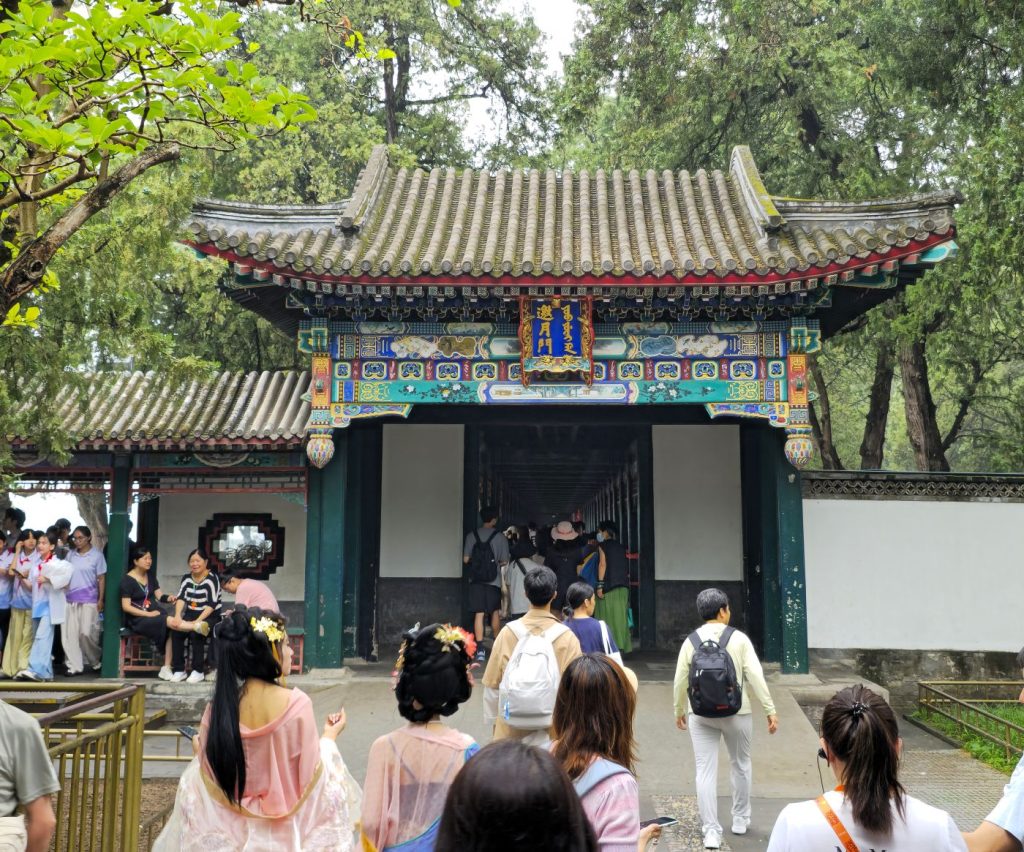
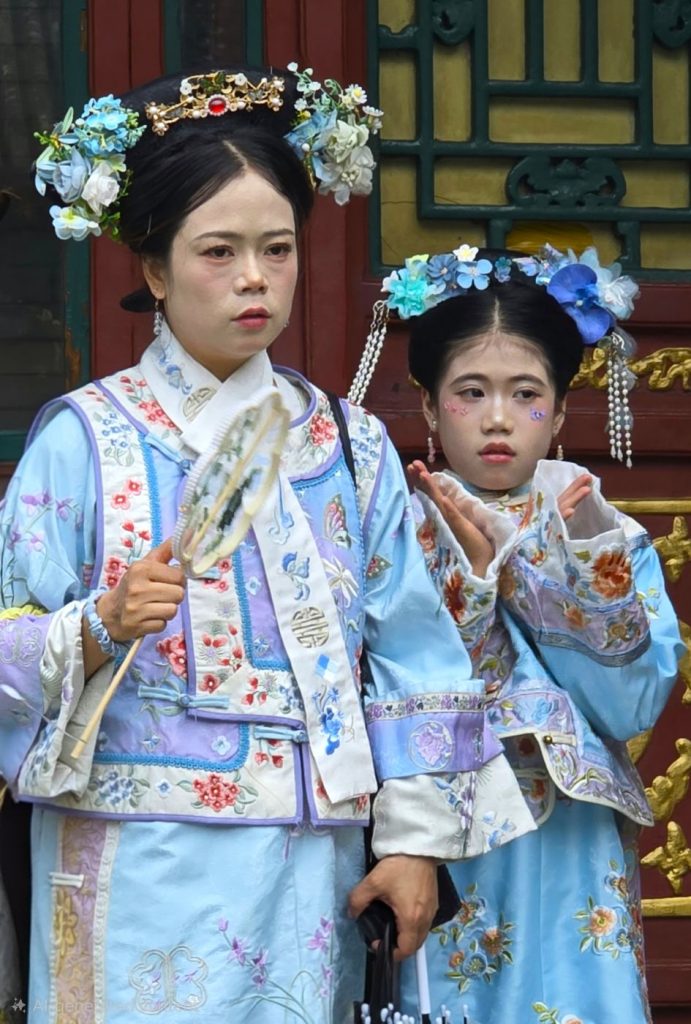
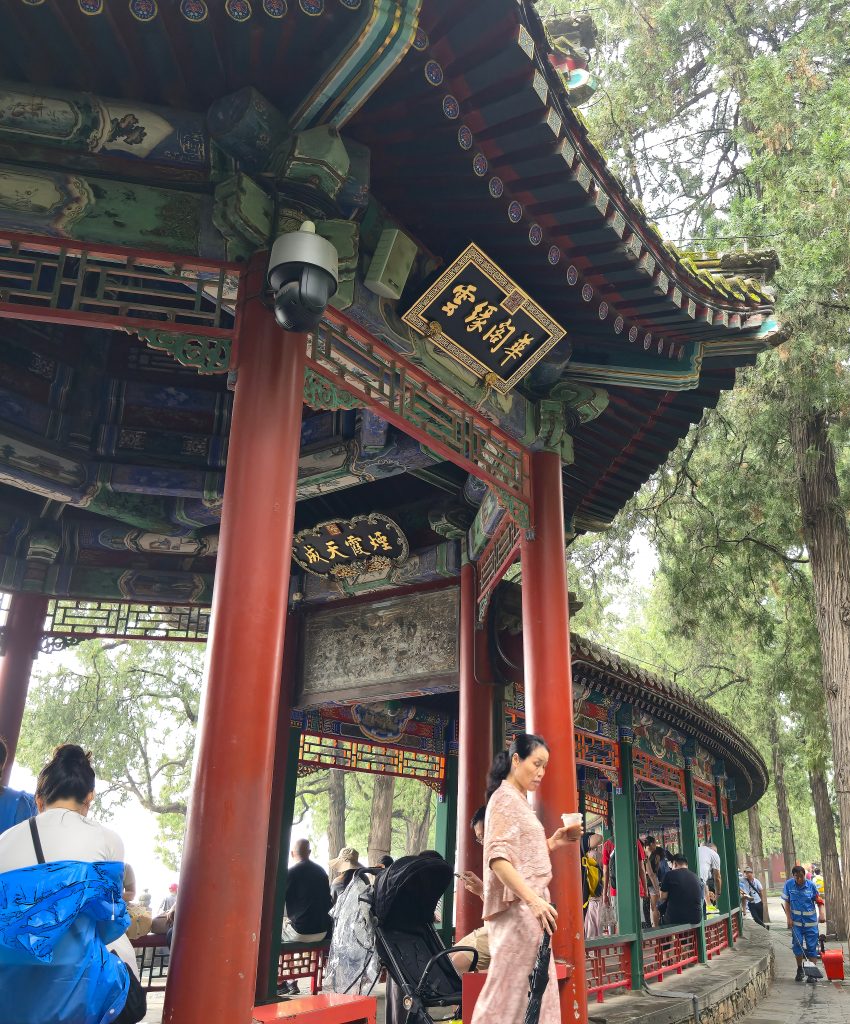
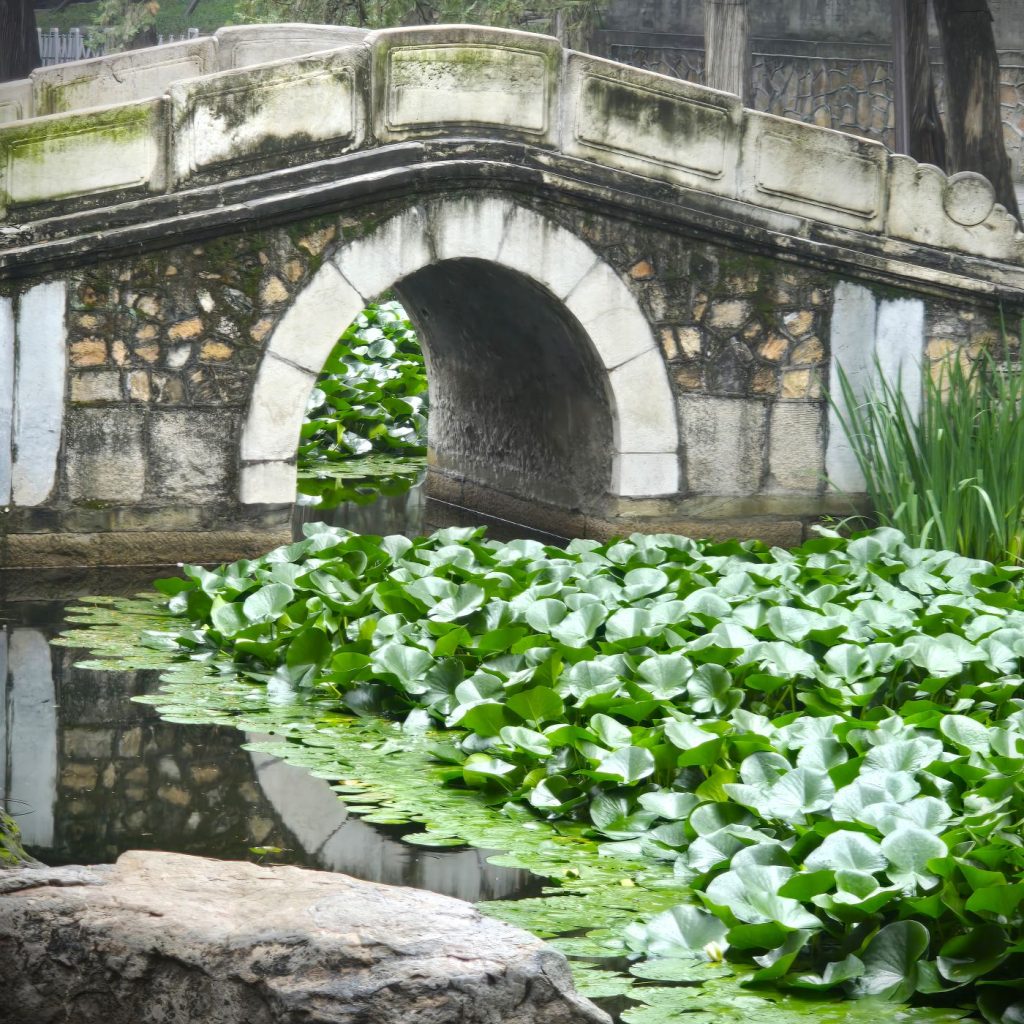
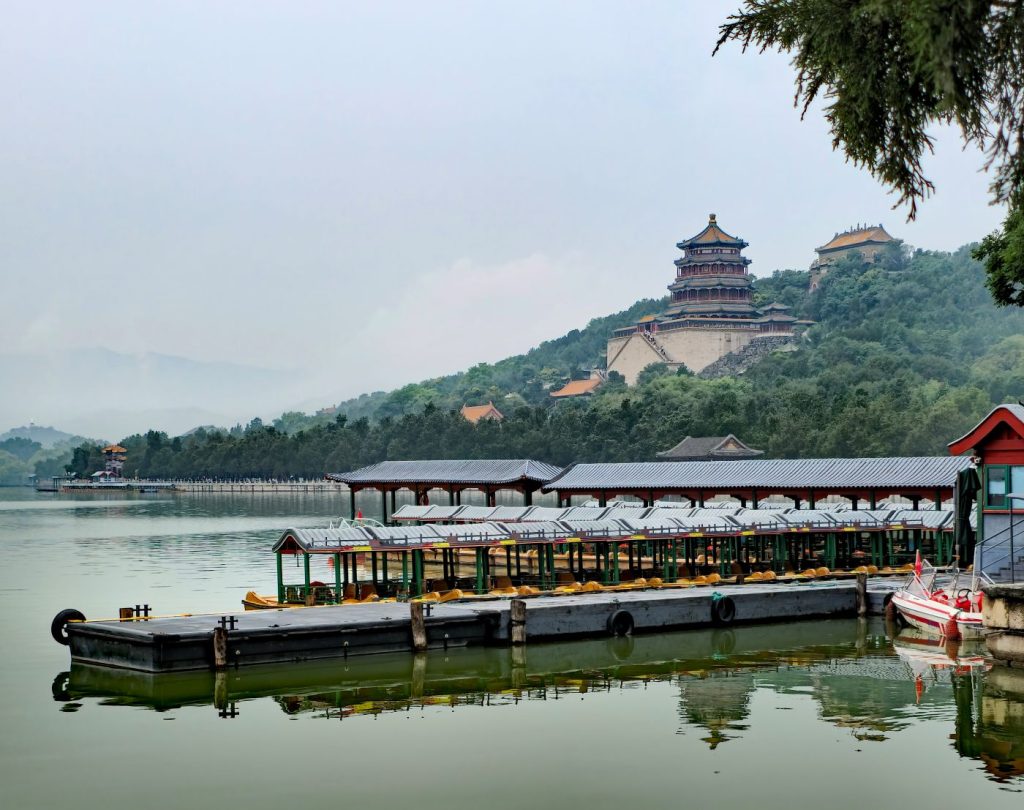
The Summer Palace
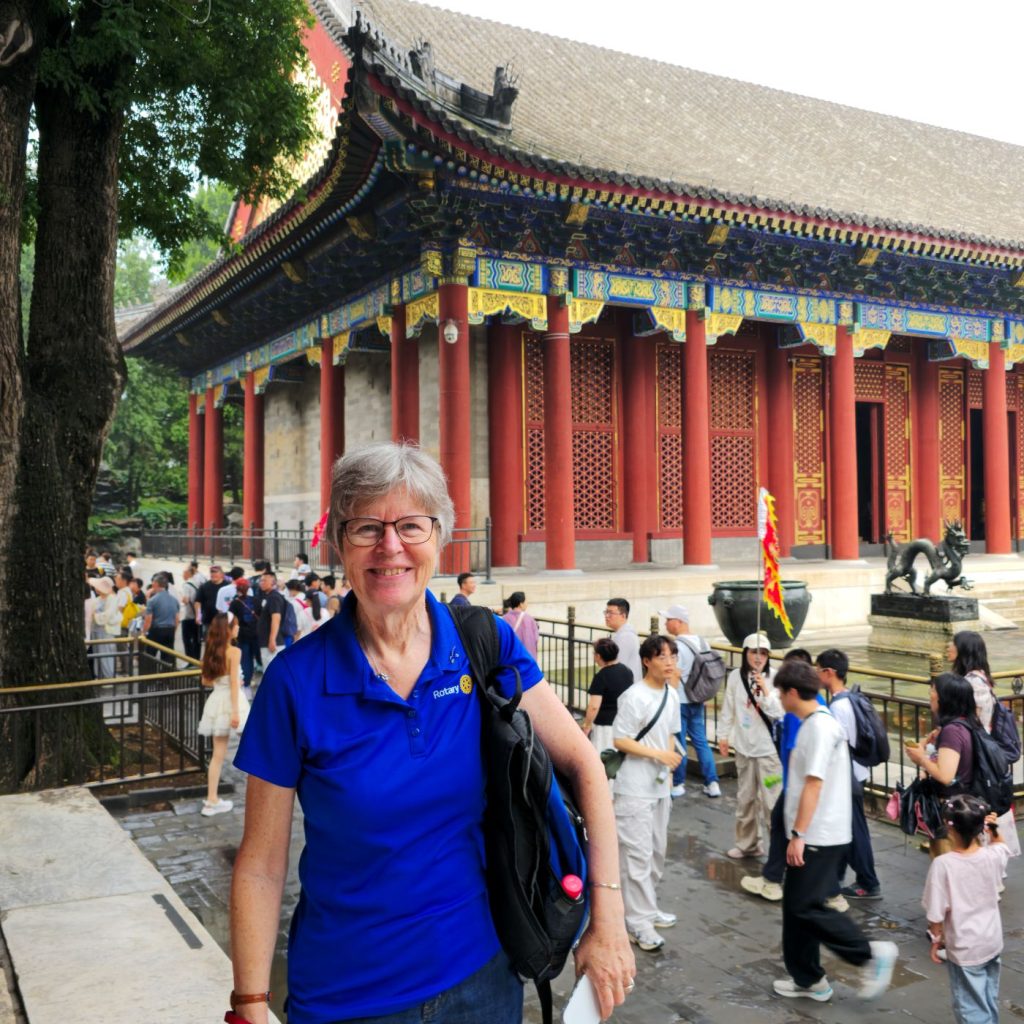
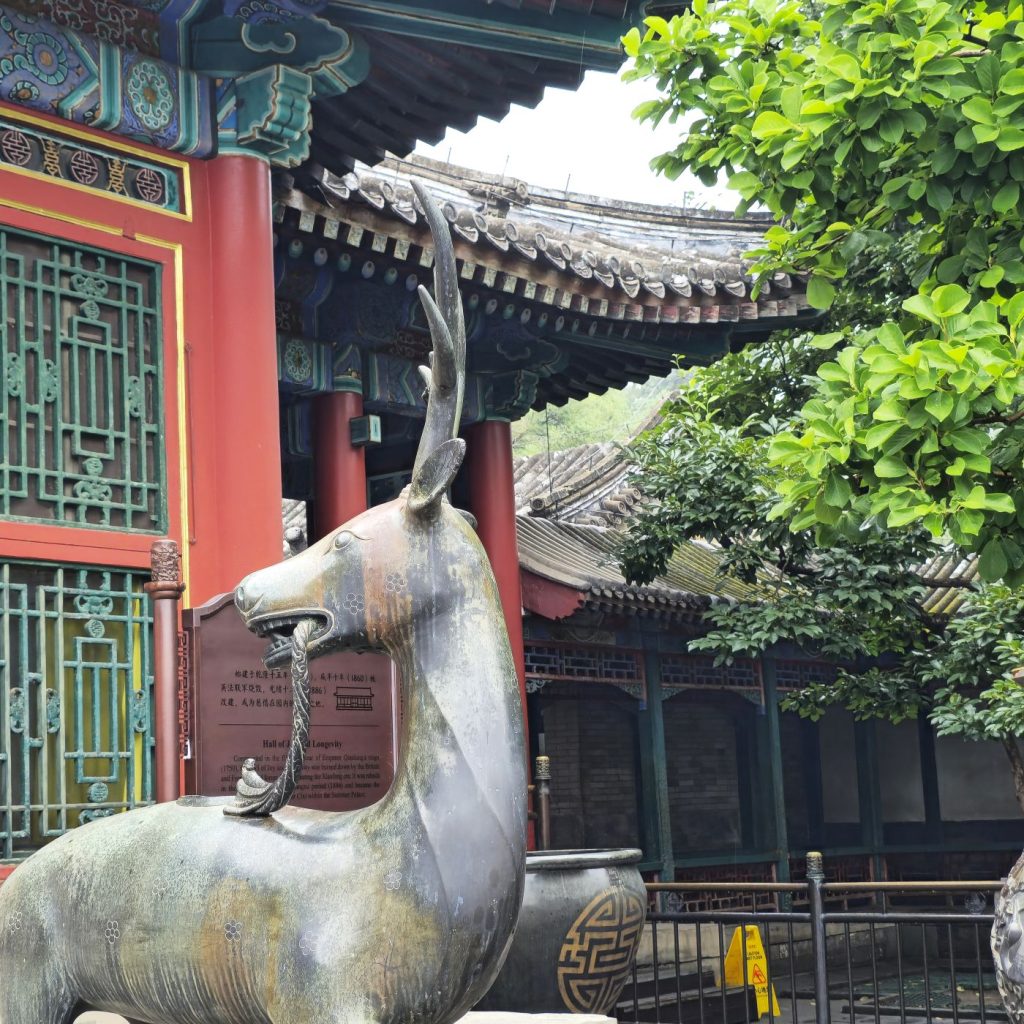
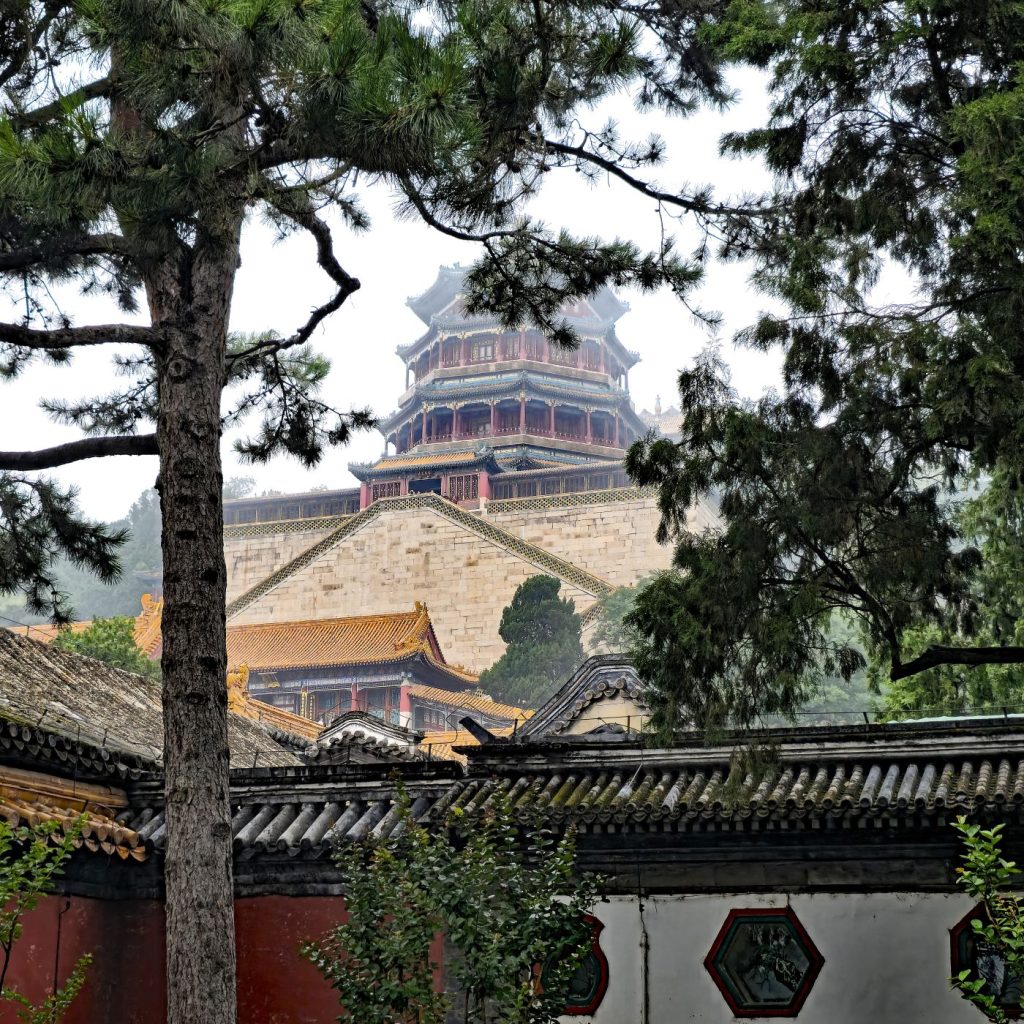
The Summer Palace was originally a lush summer space open only to a few. Now it is more welcoming than the austere Forbidden City. Families often dress up for their visit and picnic there, adding to the ambience.
Dining
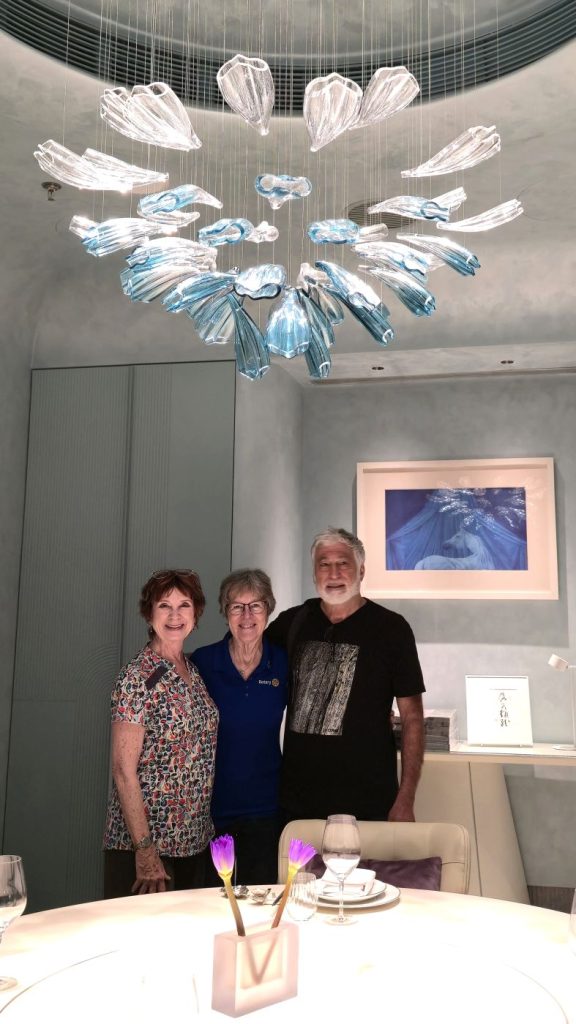
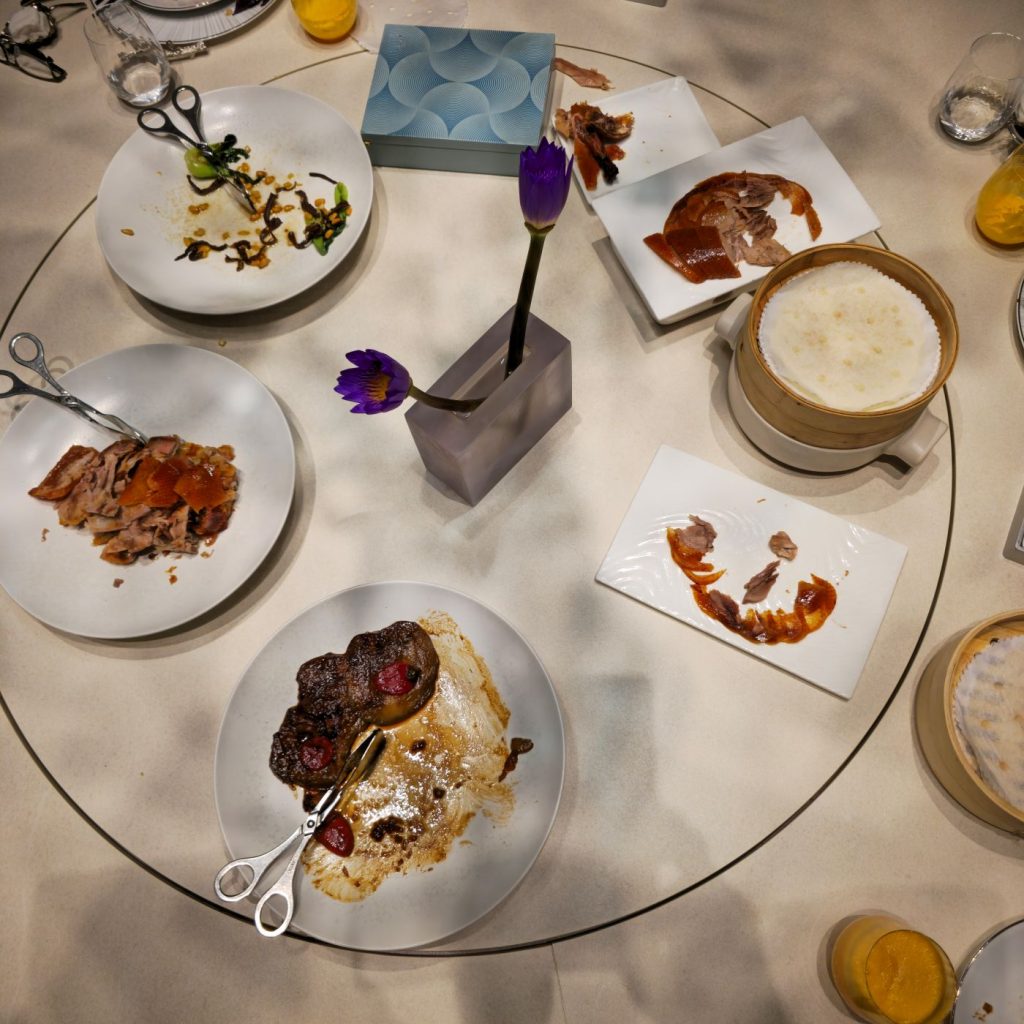
Once again Doris offered up a surprise: she had arranged for an elegant Peking Duck dinner in a renowned restaurant. Dadong’s walls were decorated with photos of dignitaries from around the world. We were ushered into a private dining room, where our personal chef carved the duck and coached us through the elaborate presentation.
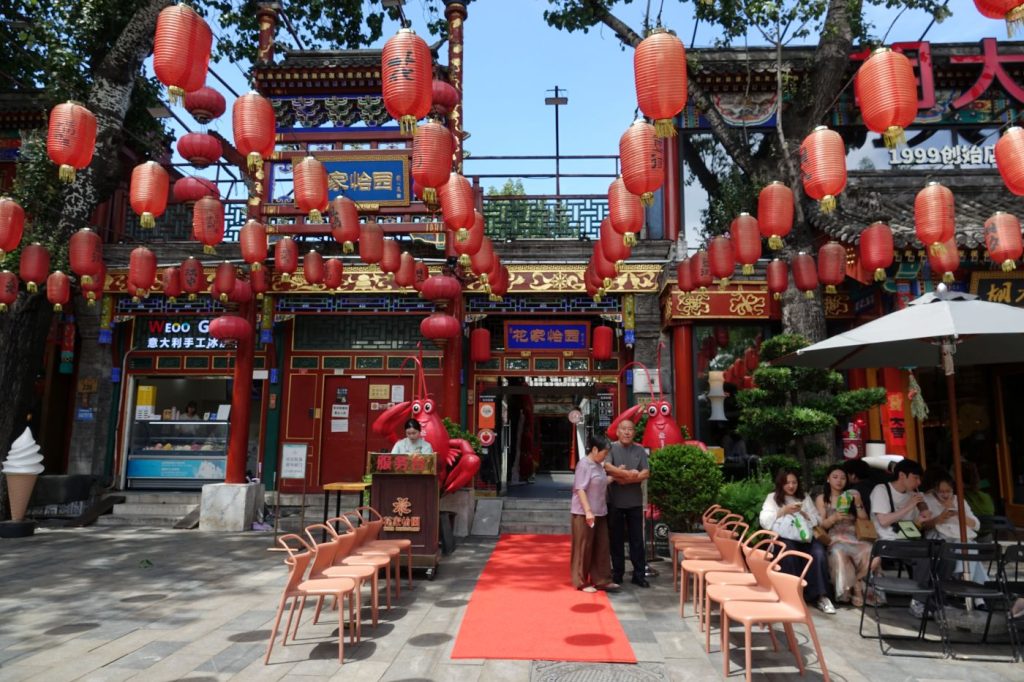
At the other end of the spectrum was an exhuberant, crowded, noisy, spectacularly fun seafood restaurant
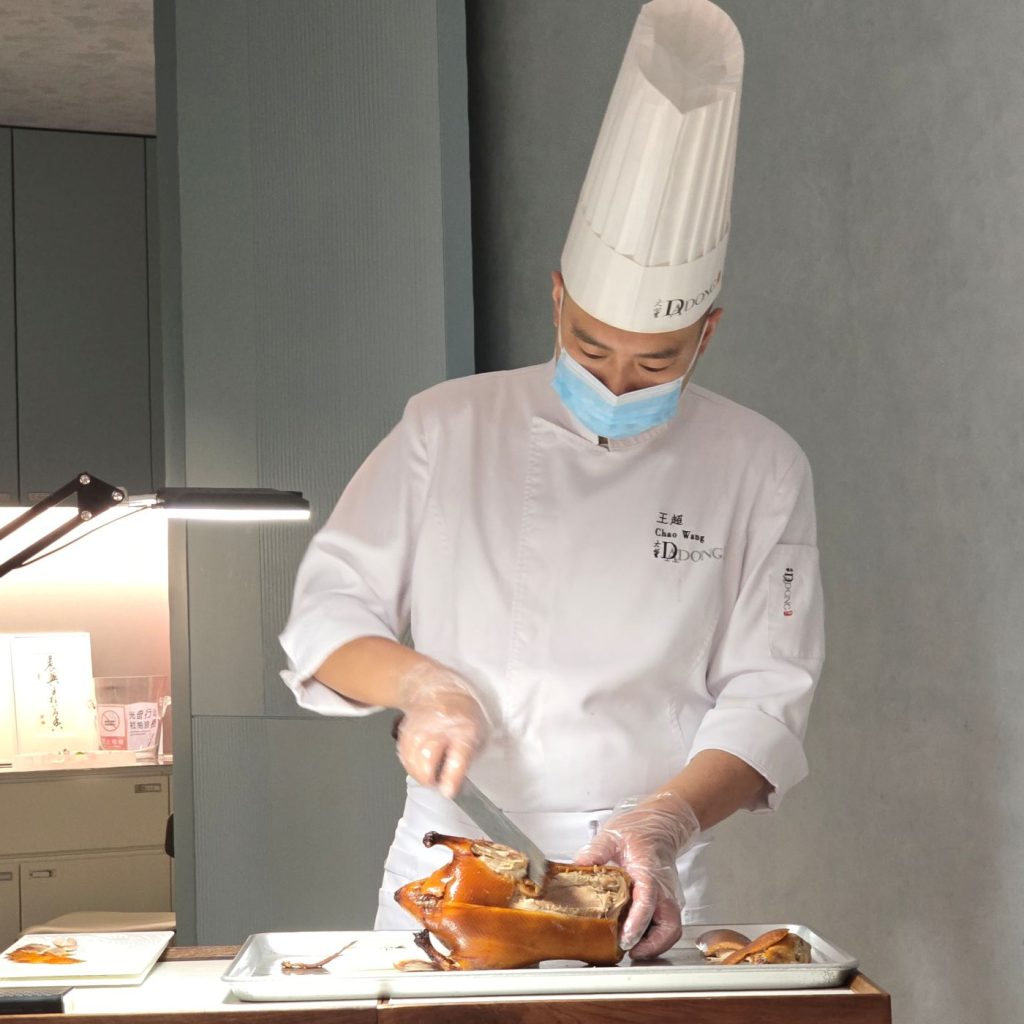
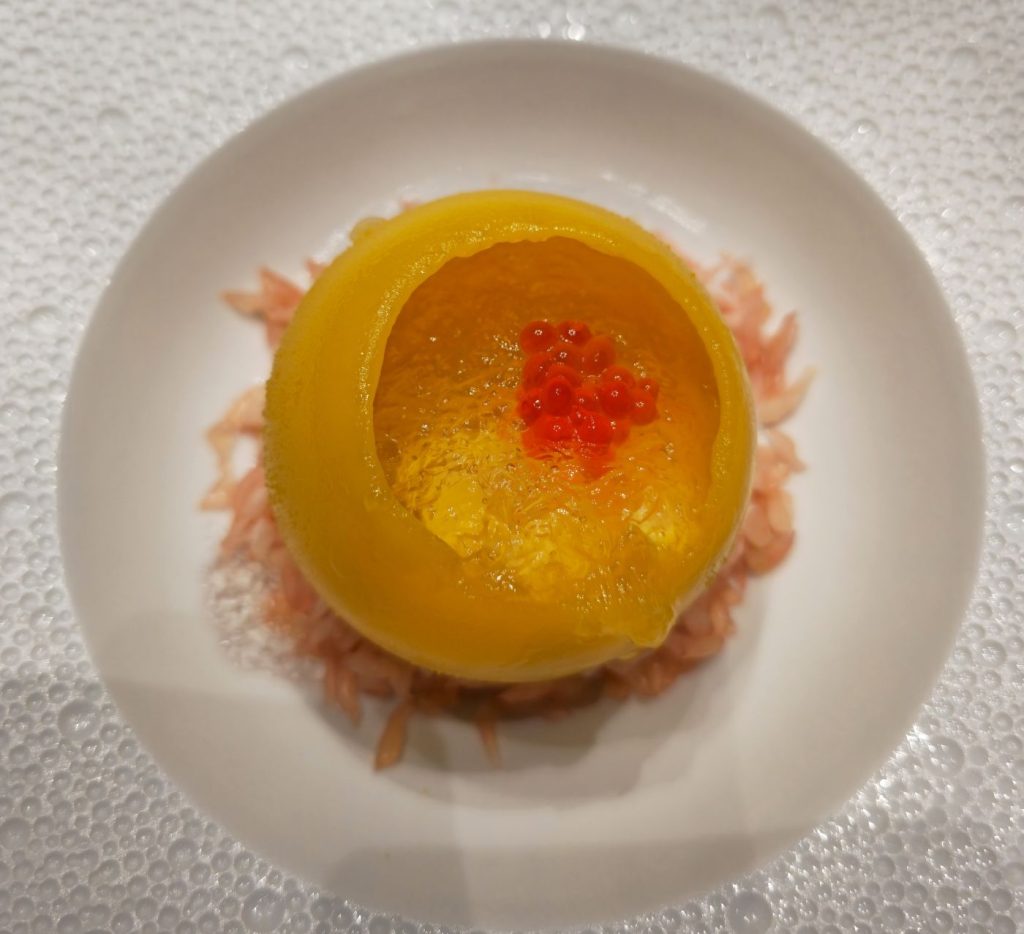
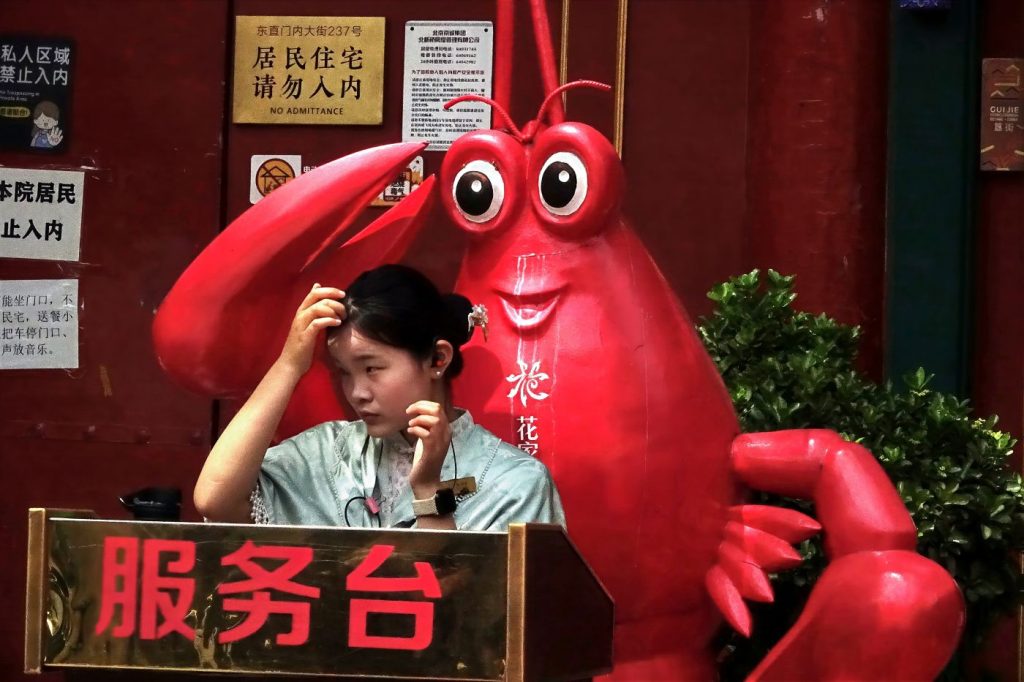
Sometimes a shot just falls into your lap.
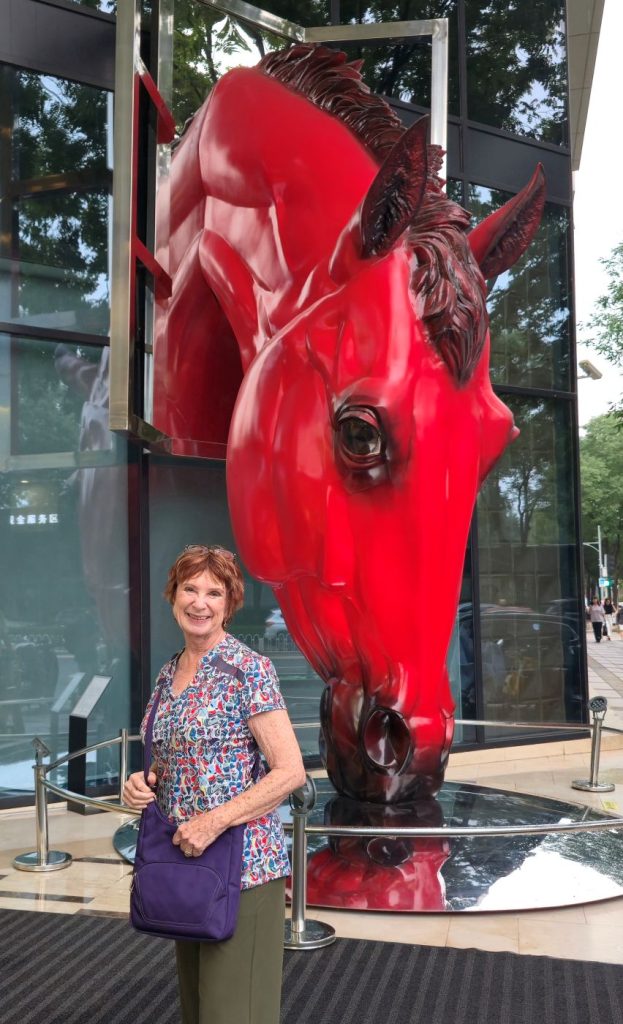
Outside Dadong Restaurant
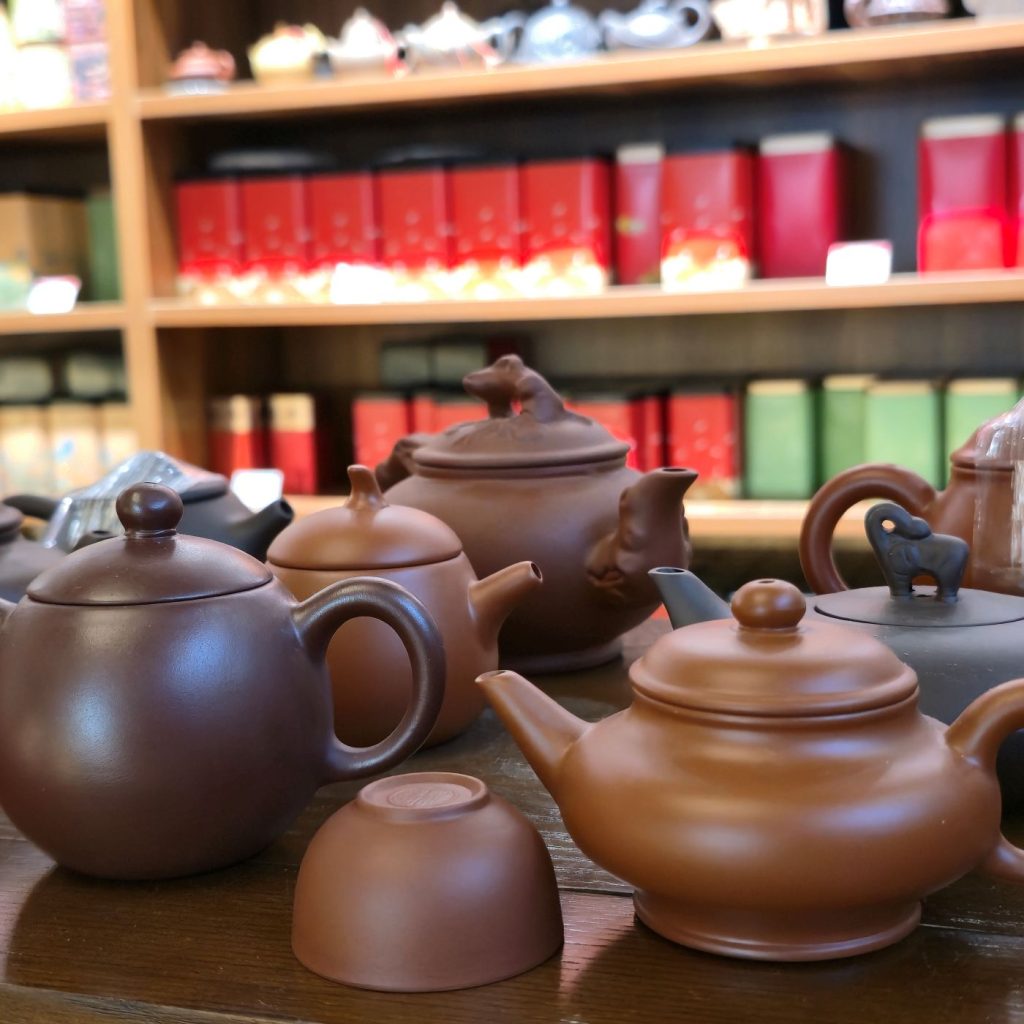
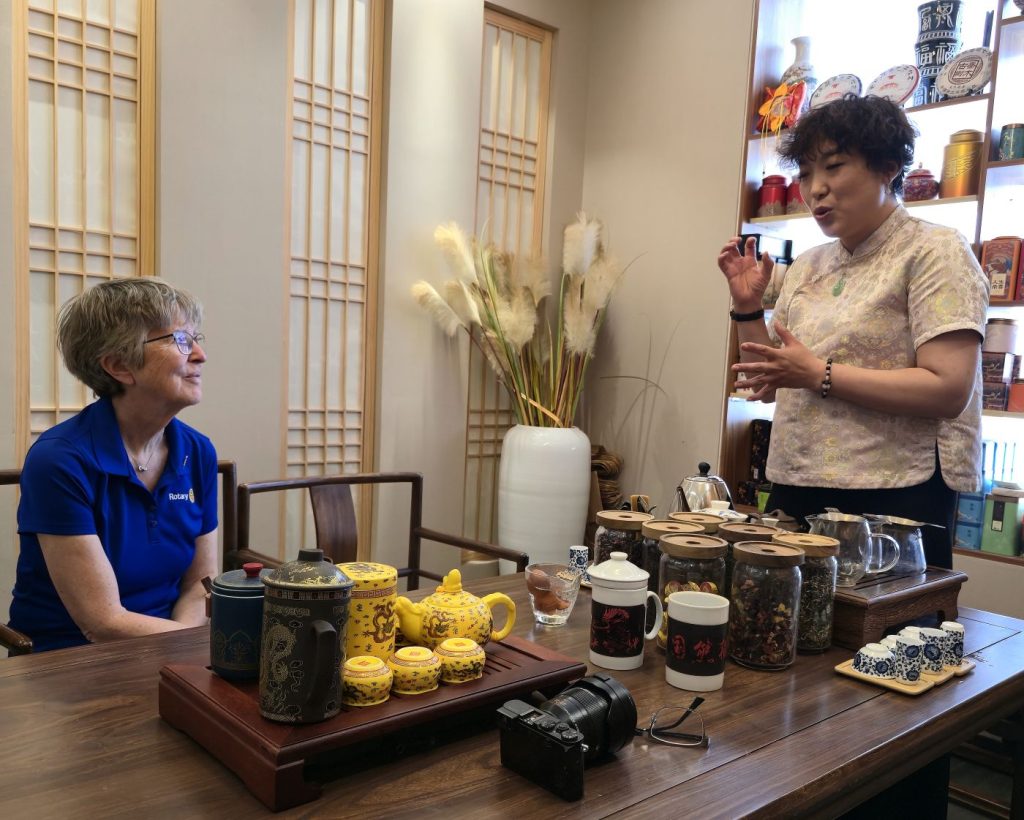
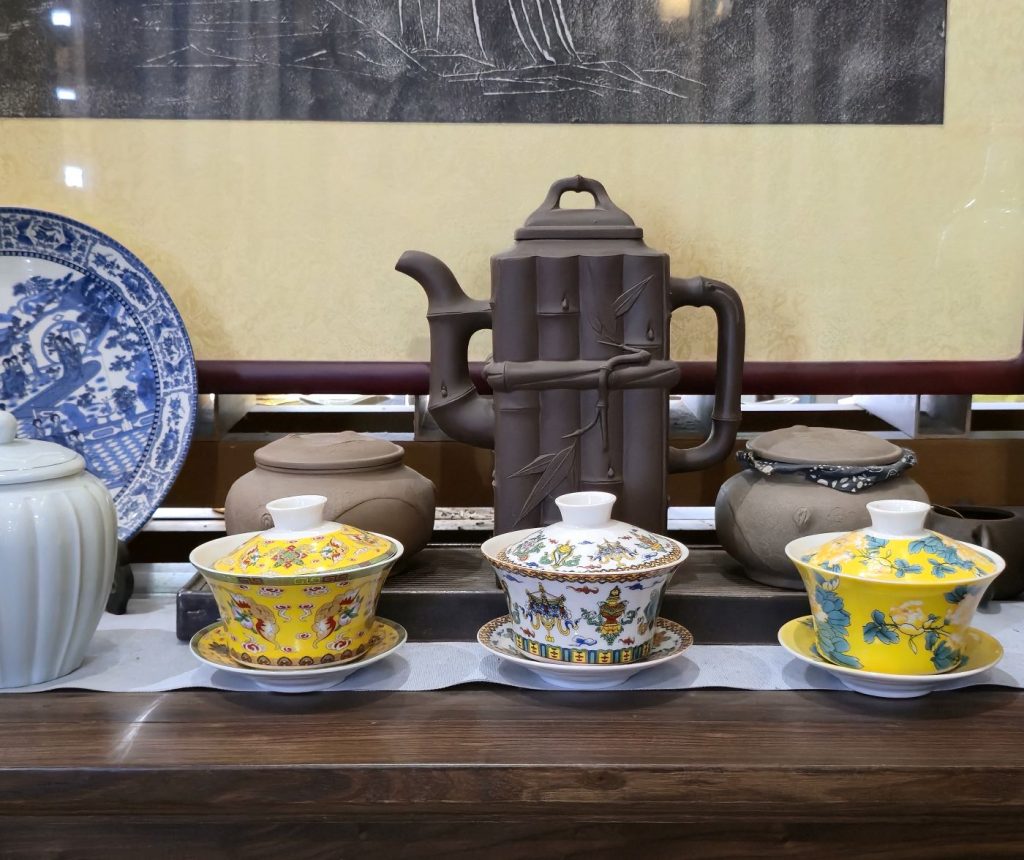
We visited a lovely tea store and took part in a tea ceremony. Instead of tea I bought a dragon.
Neighborhoods
We strolled in some of Beijing’s older neighborhoods, getting a glimpse of how people lived, worked, and enjoyed their free time.
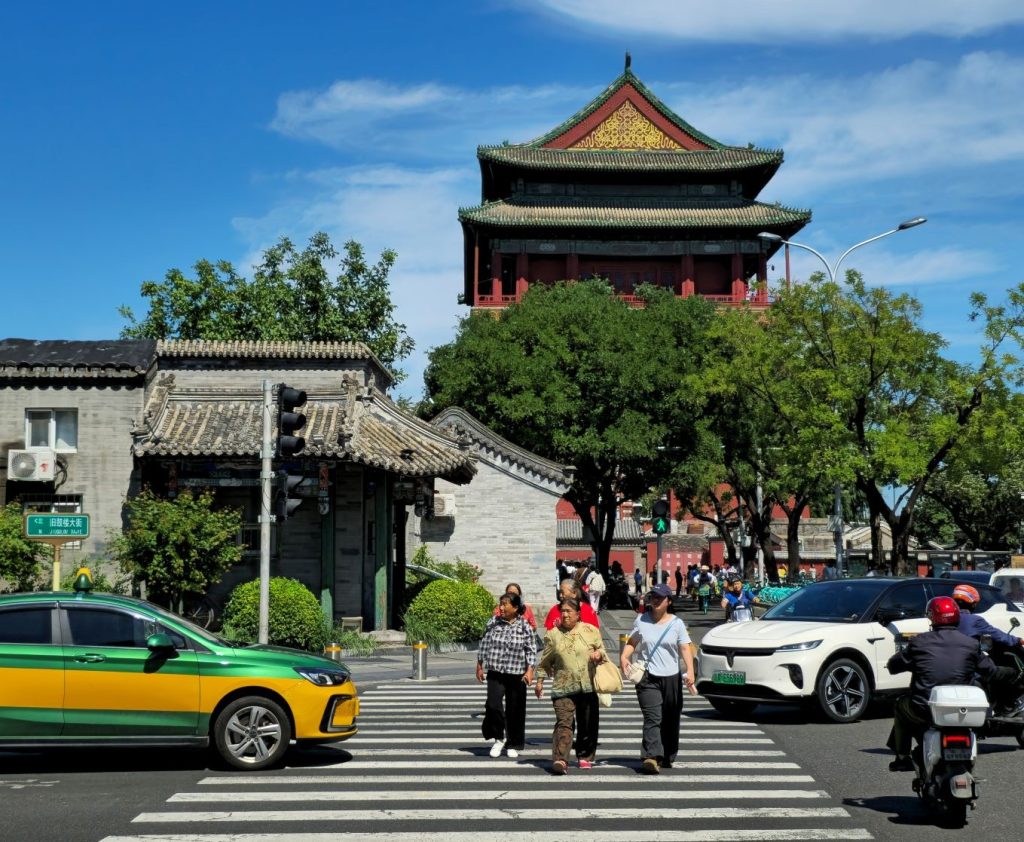
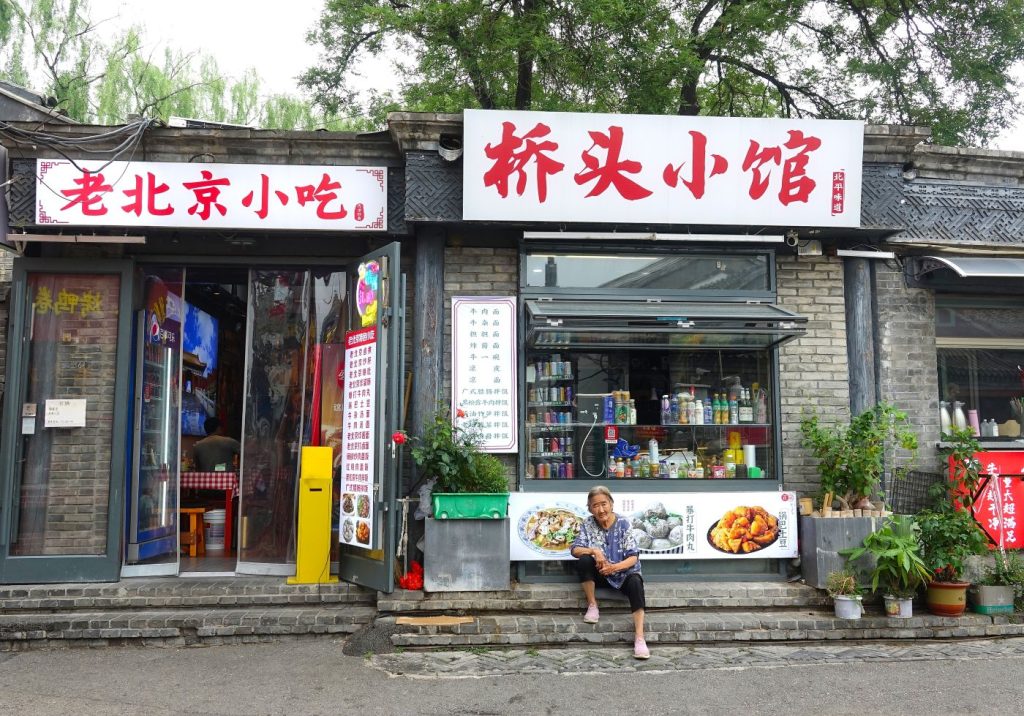
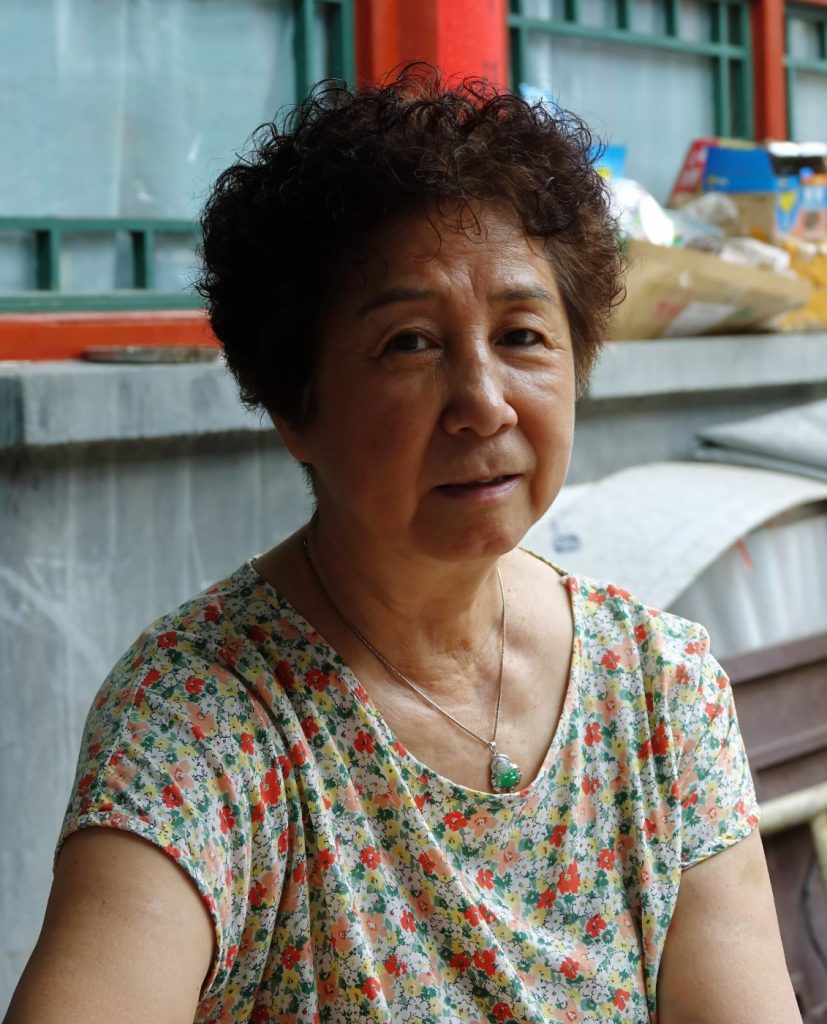
In the Hutong neighborhood we visited a family who had lived there for generations. Their comfortable living quarters included a workshop where the family produced beautiful paintings for the tourist trade.
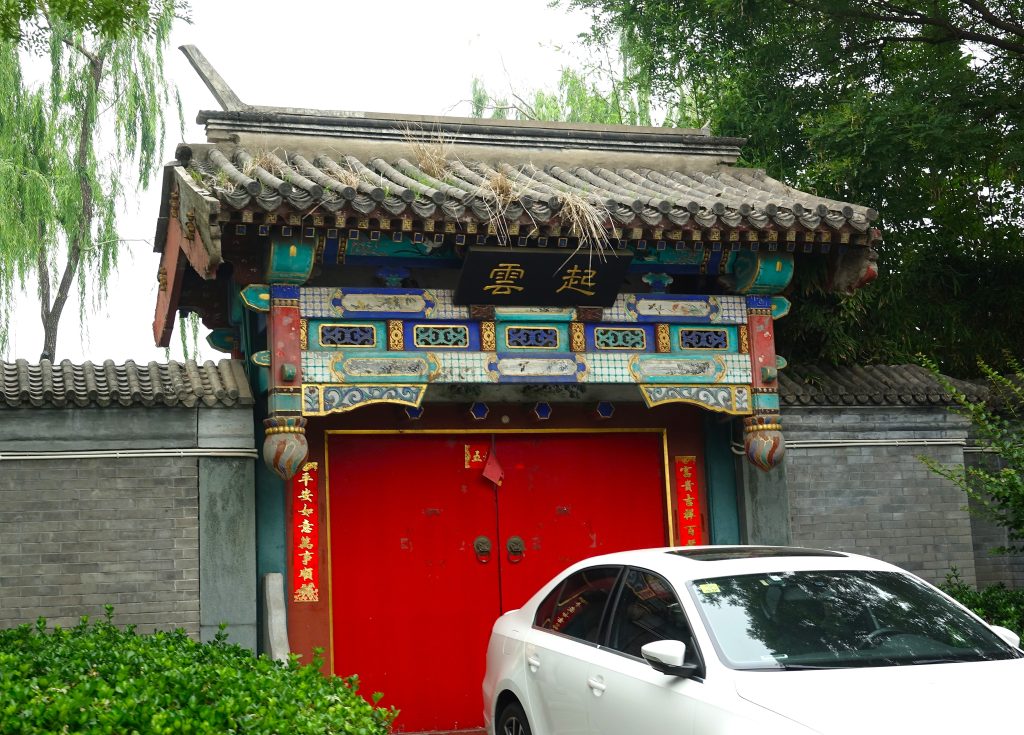
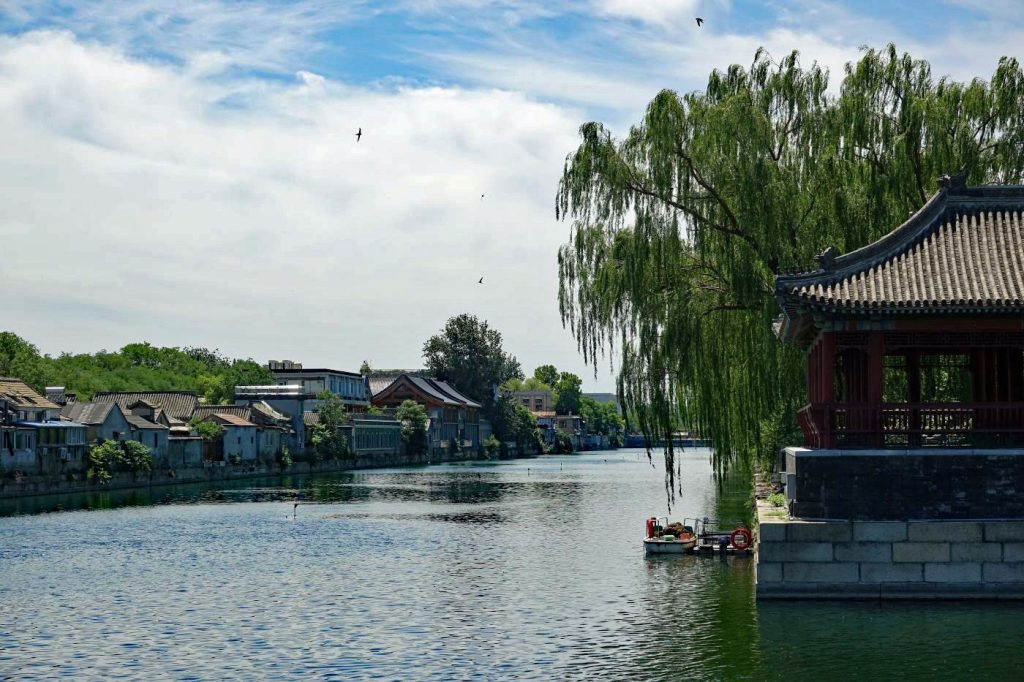
A private residence by the lake
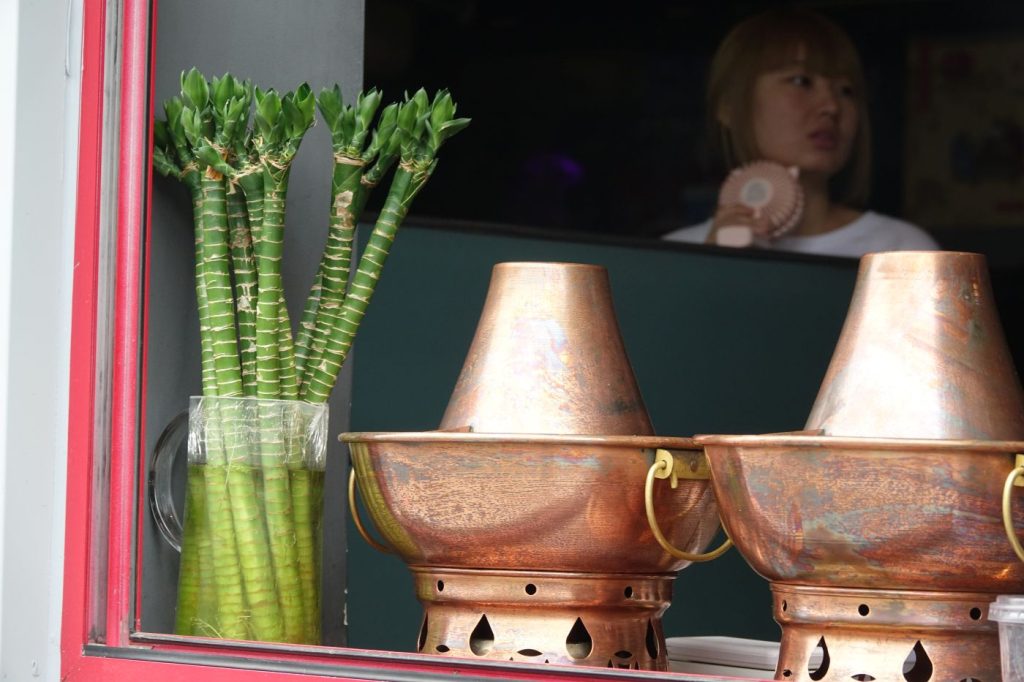
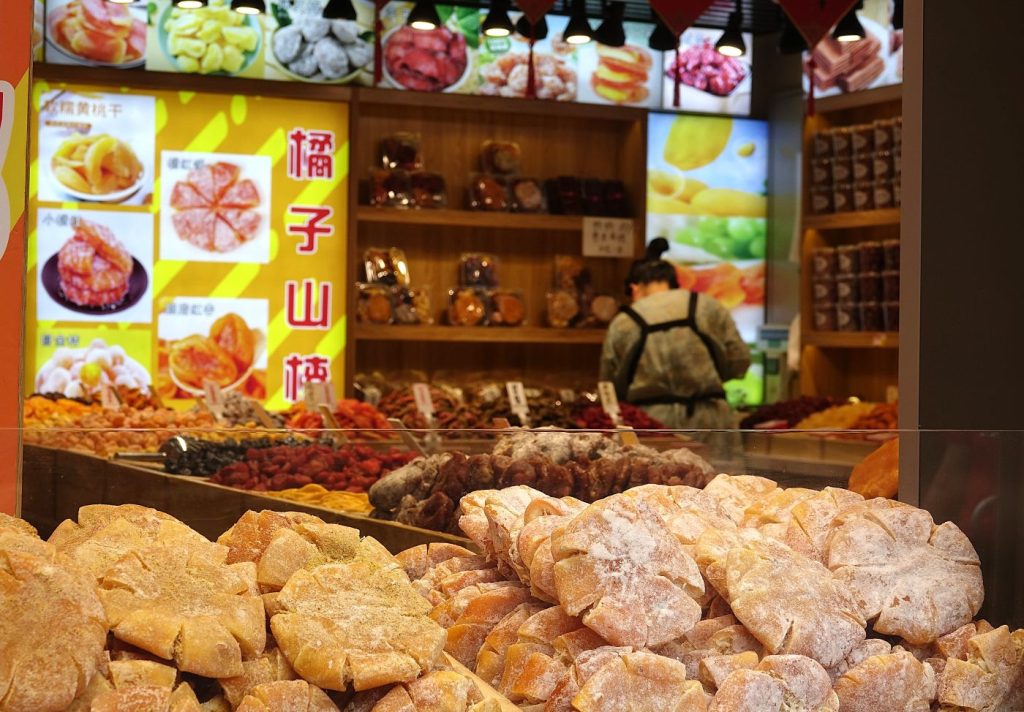
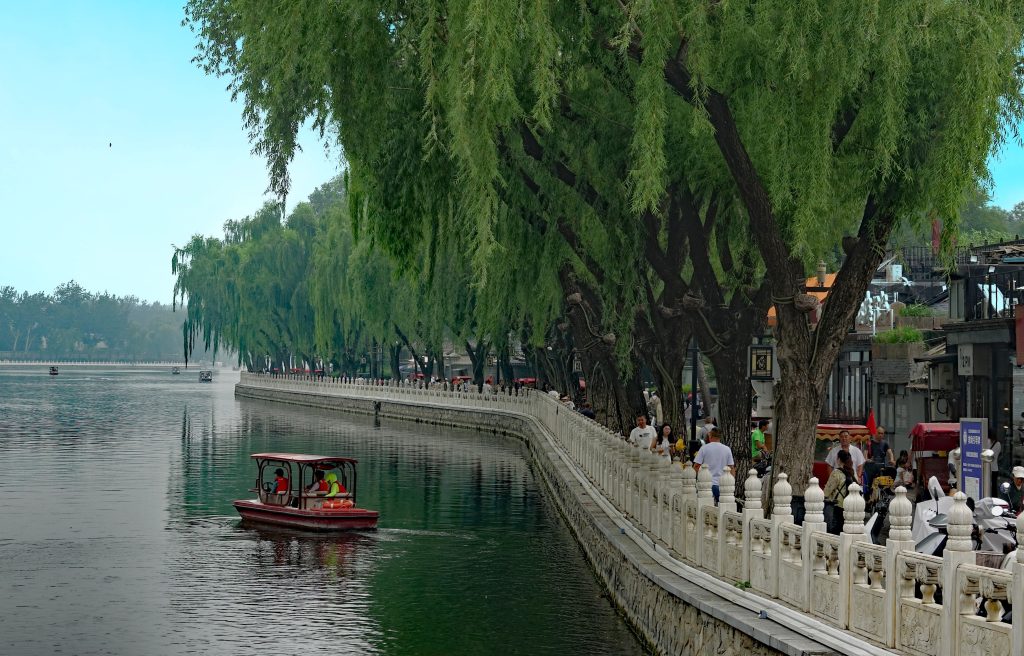
Shichahai Lake, in the heart of the city
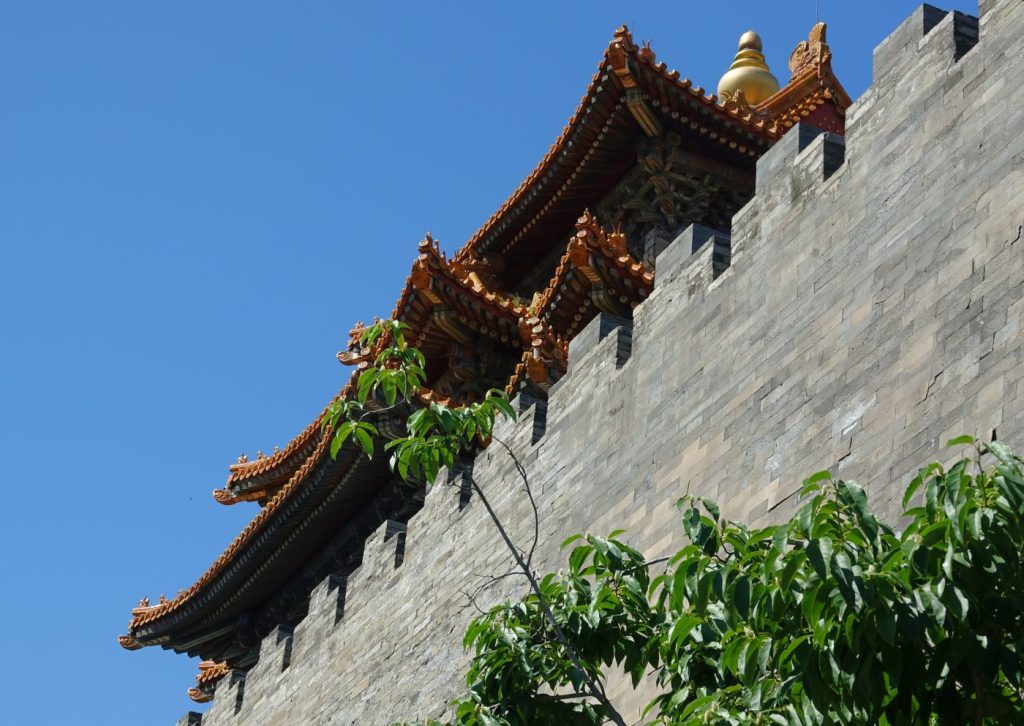
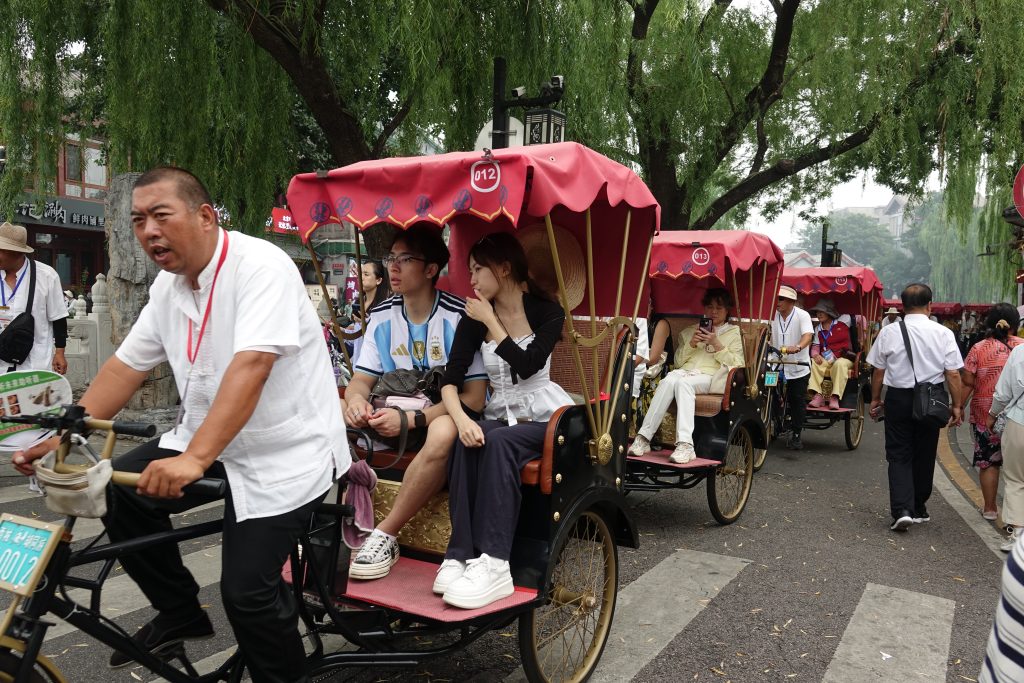
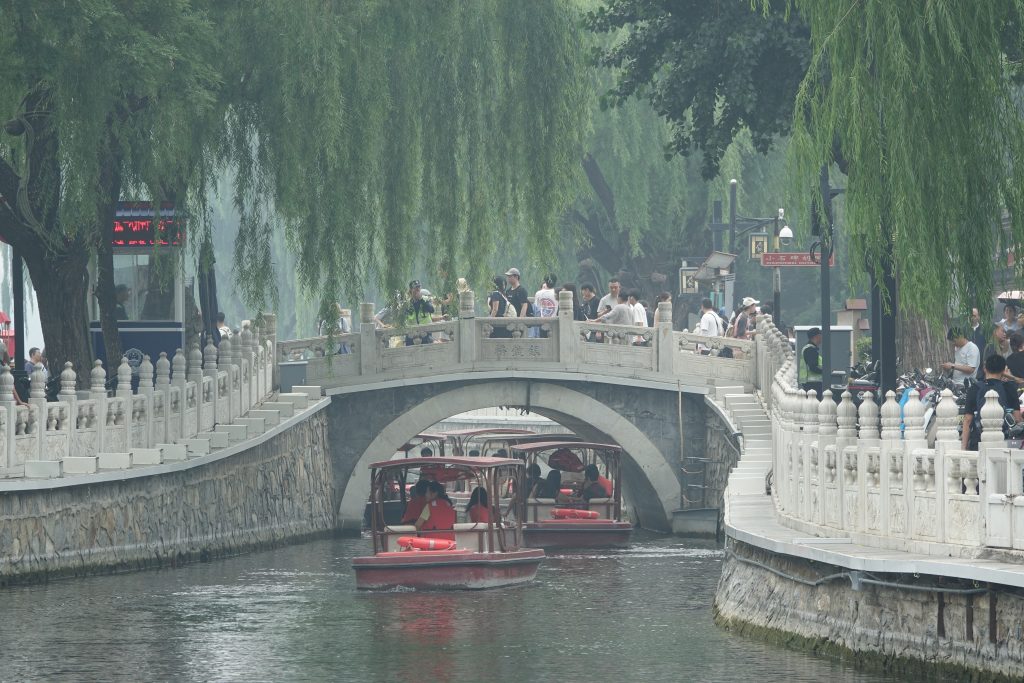
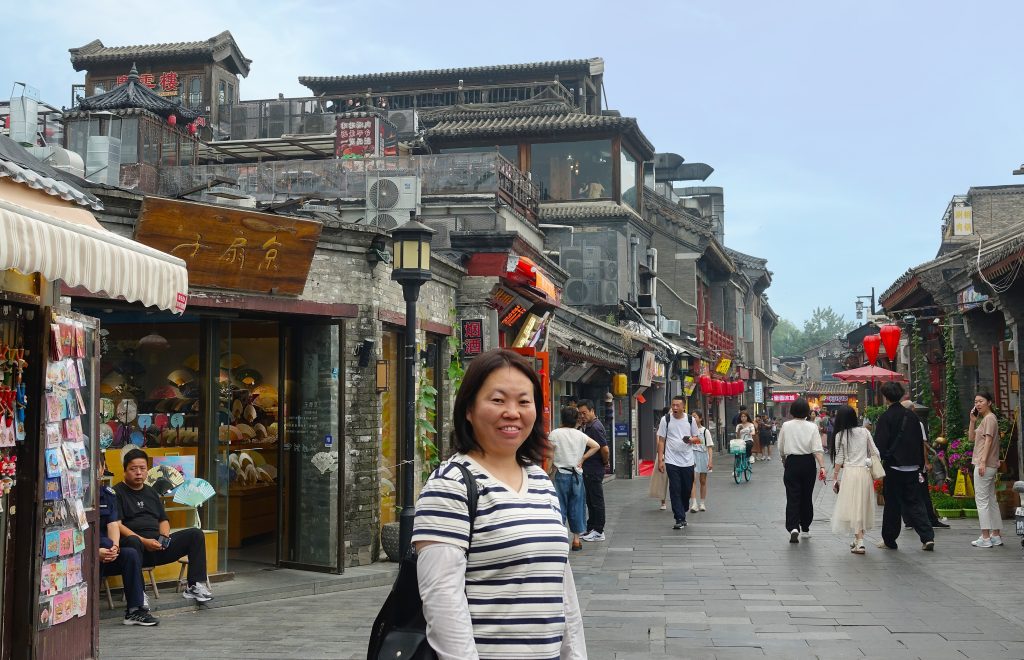
Vivian, our wonderful and patient guide
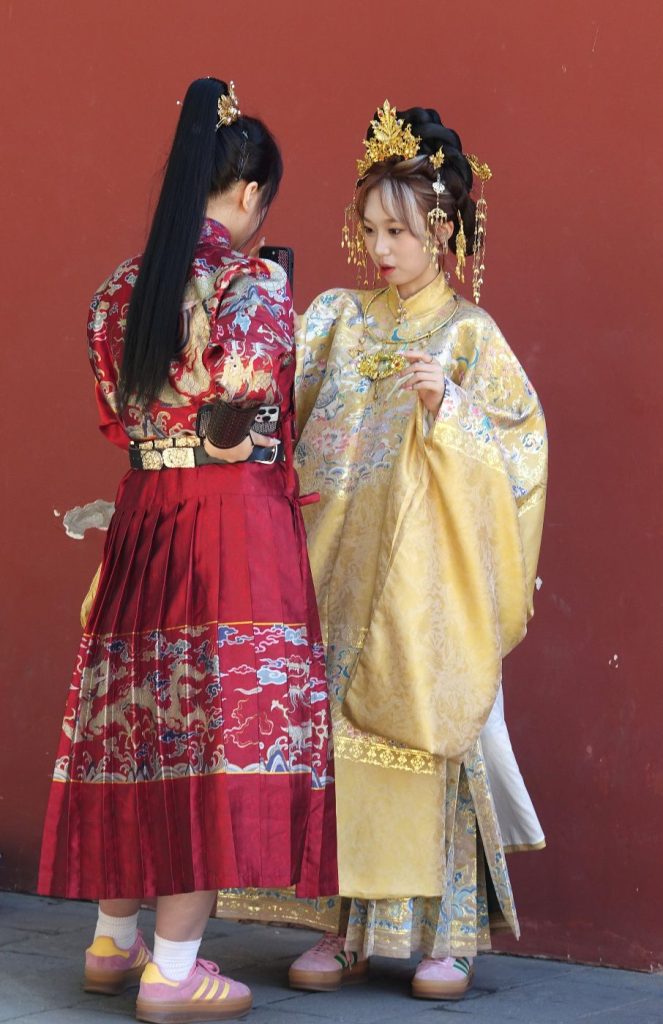

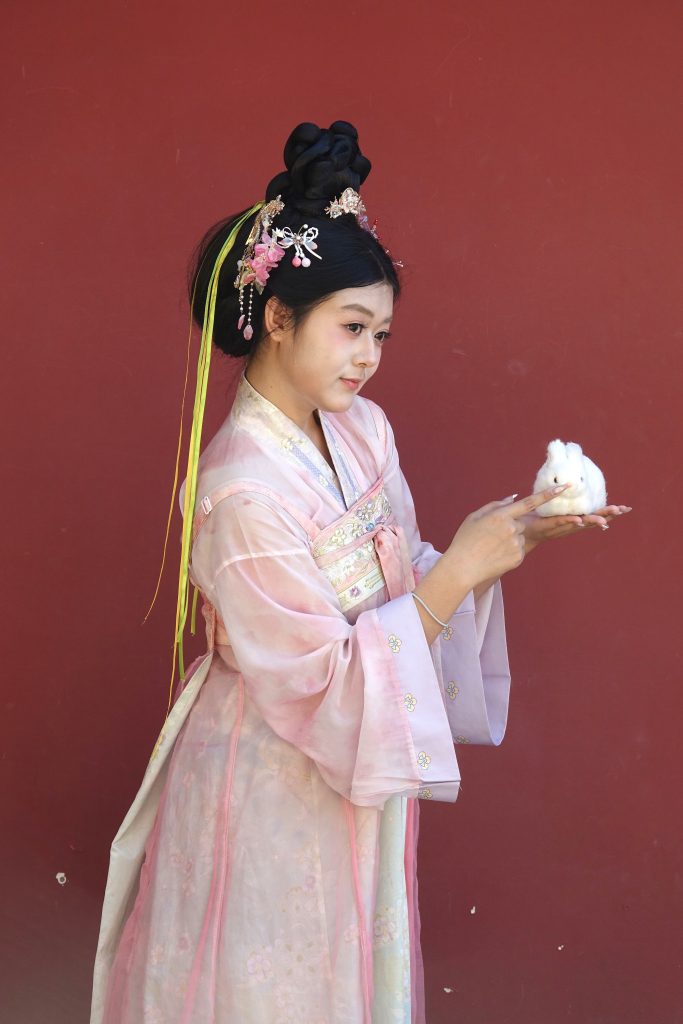
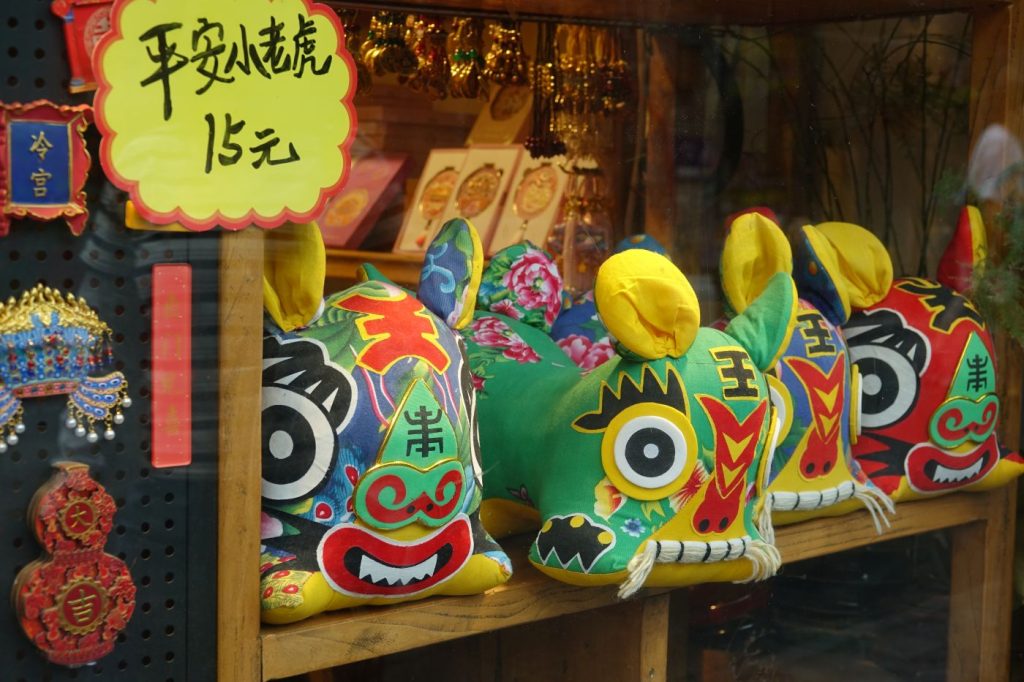
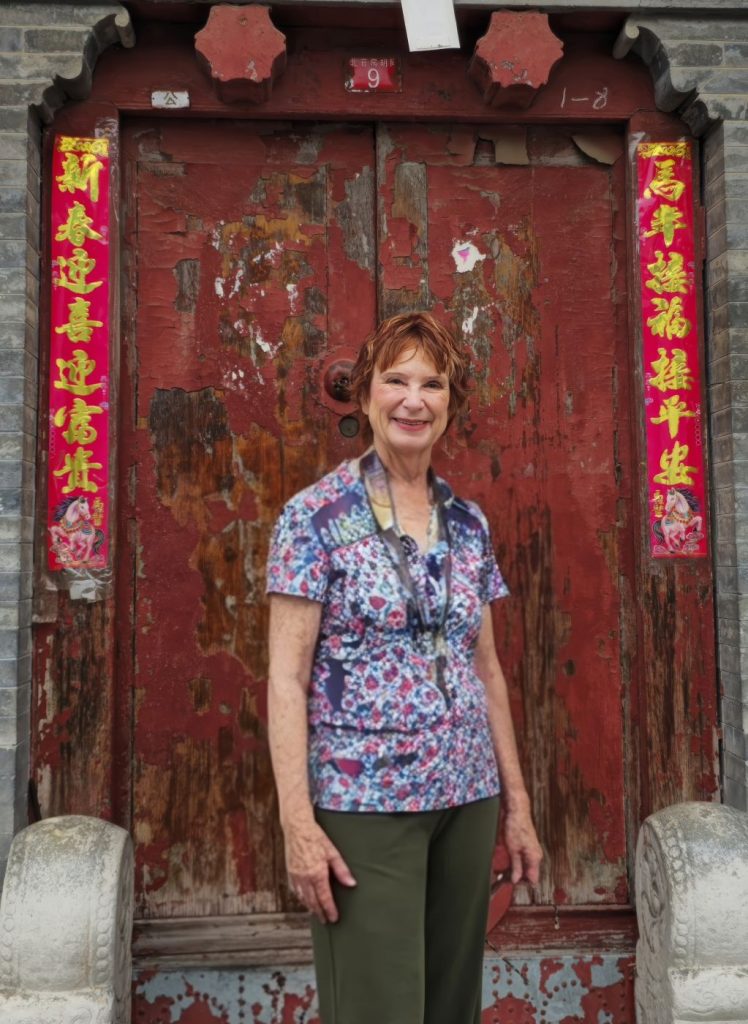
In the Hutong neighborhood
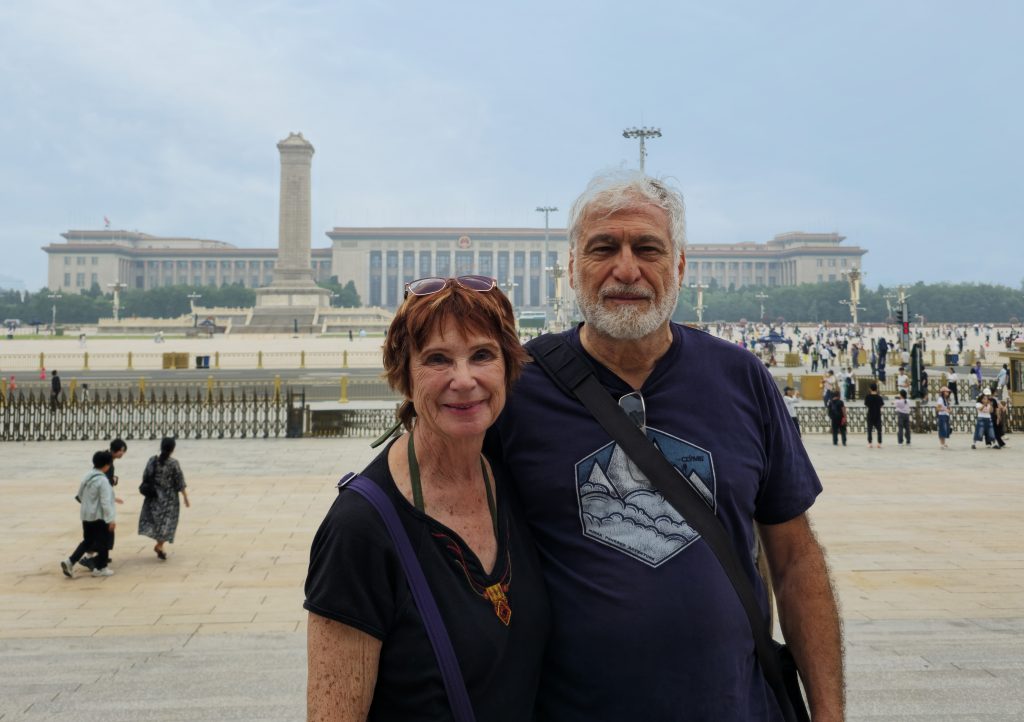
Not exactly a neighborhood photo, but no trip to Beijing would be complete without a visit to the National Museum and Tiananmen Square
The Opera
There is opera, and then there is Chinese opera, a combination of music, dance, acting and acrobatics. The music is an acquired taste, but the pagentry can’t be beat.
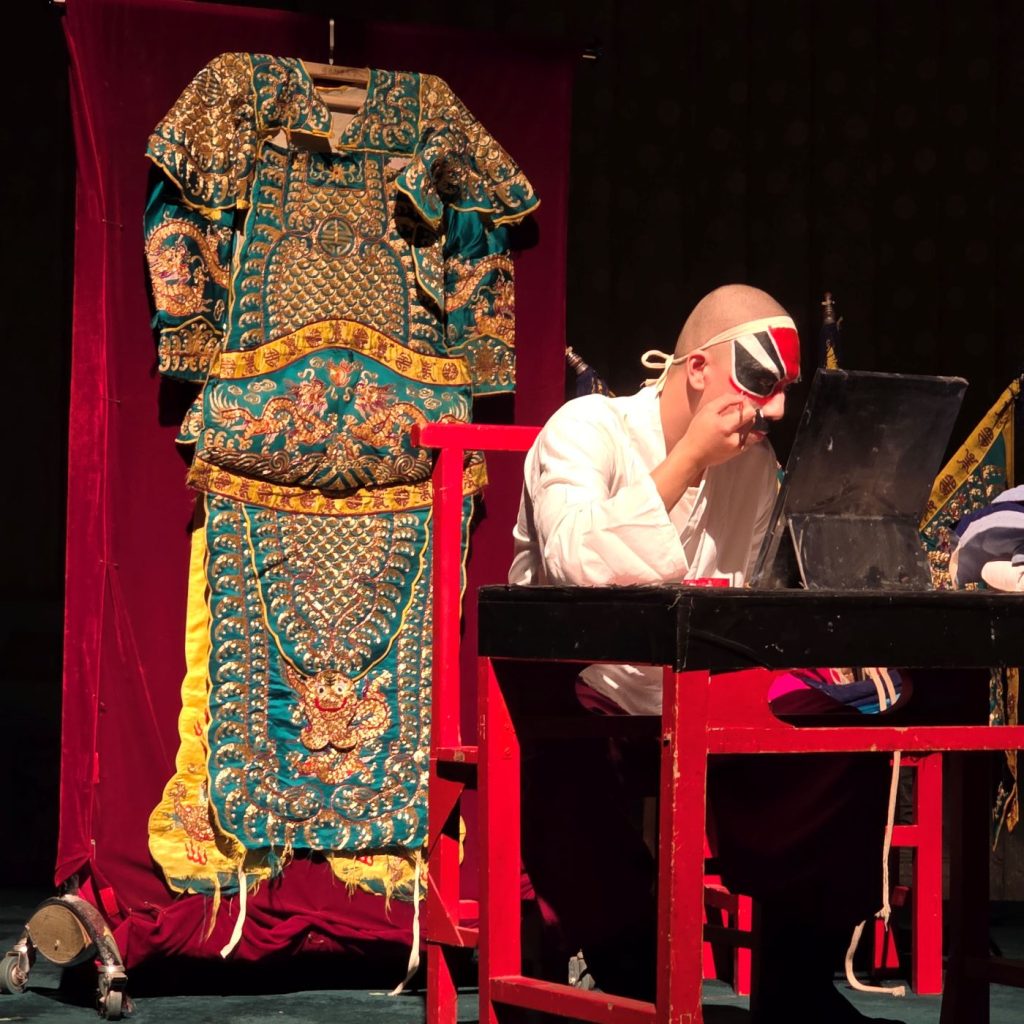
As part of the production, we watched an actor prepare his complicated costume and makeup.
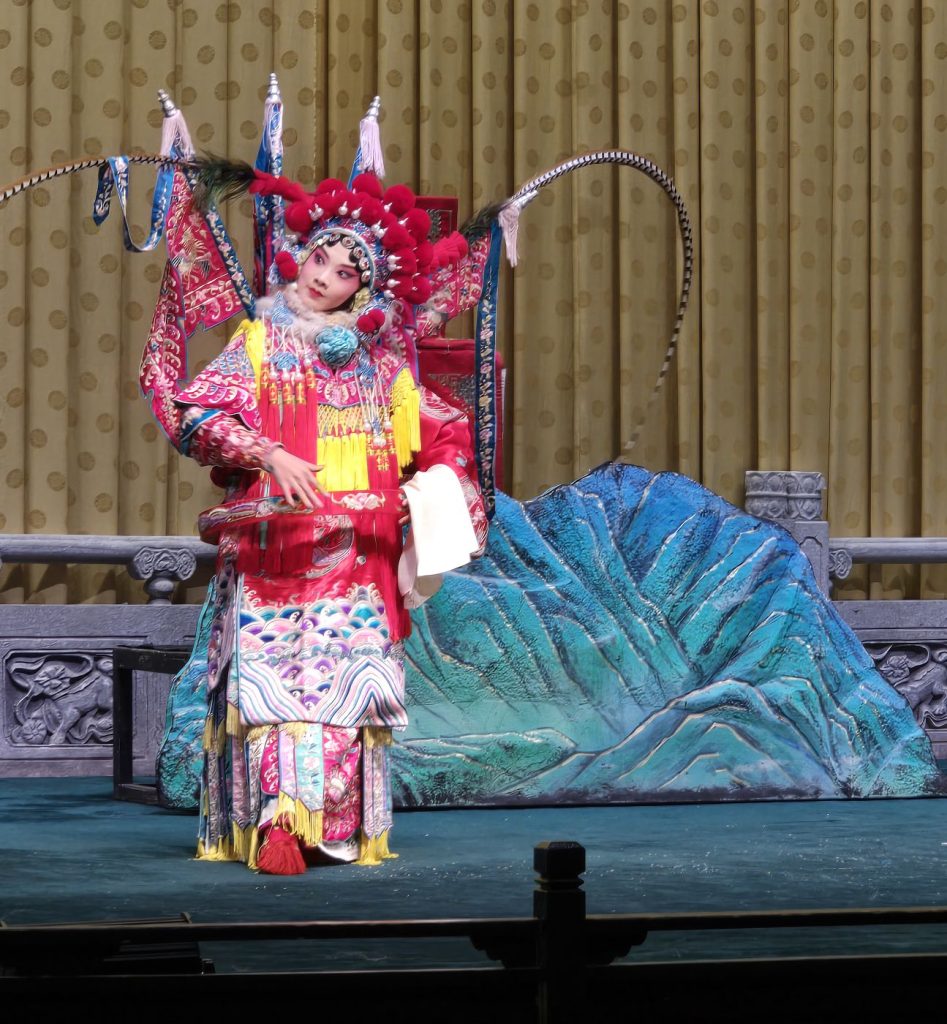
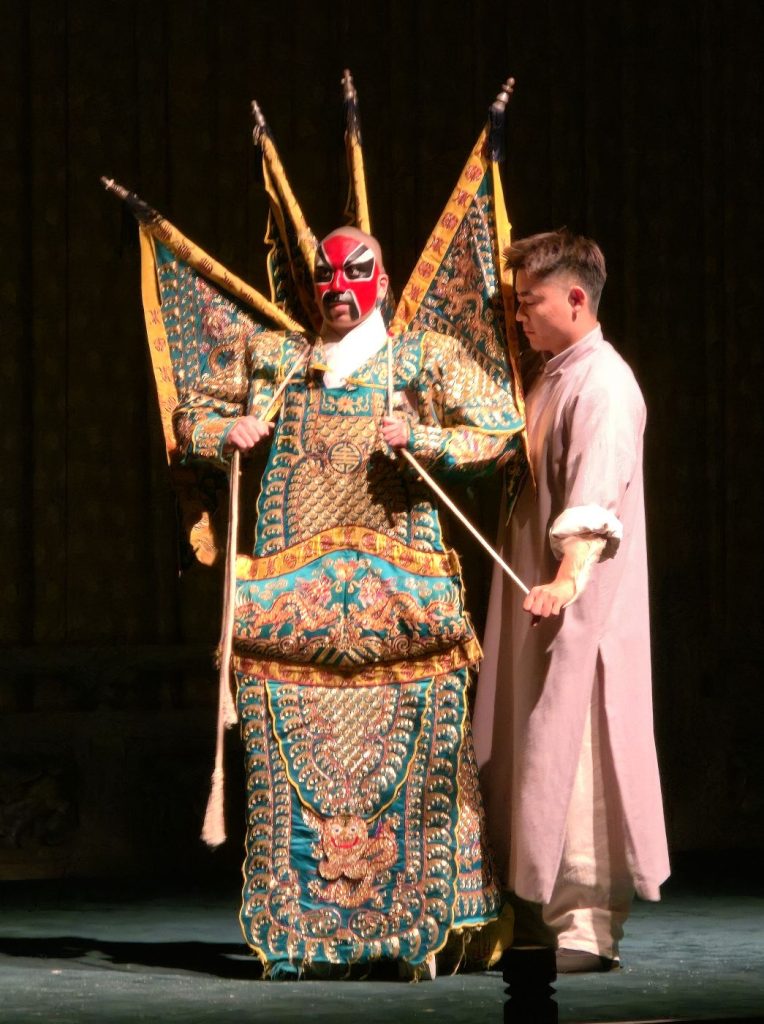
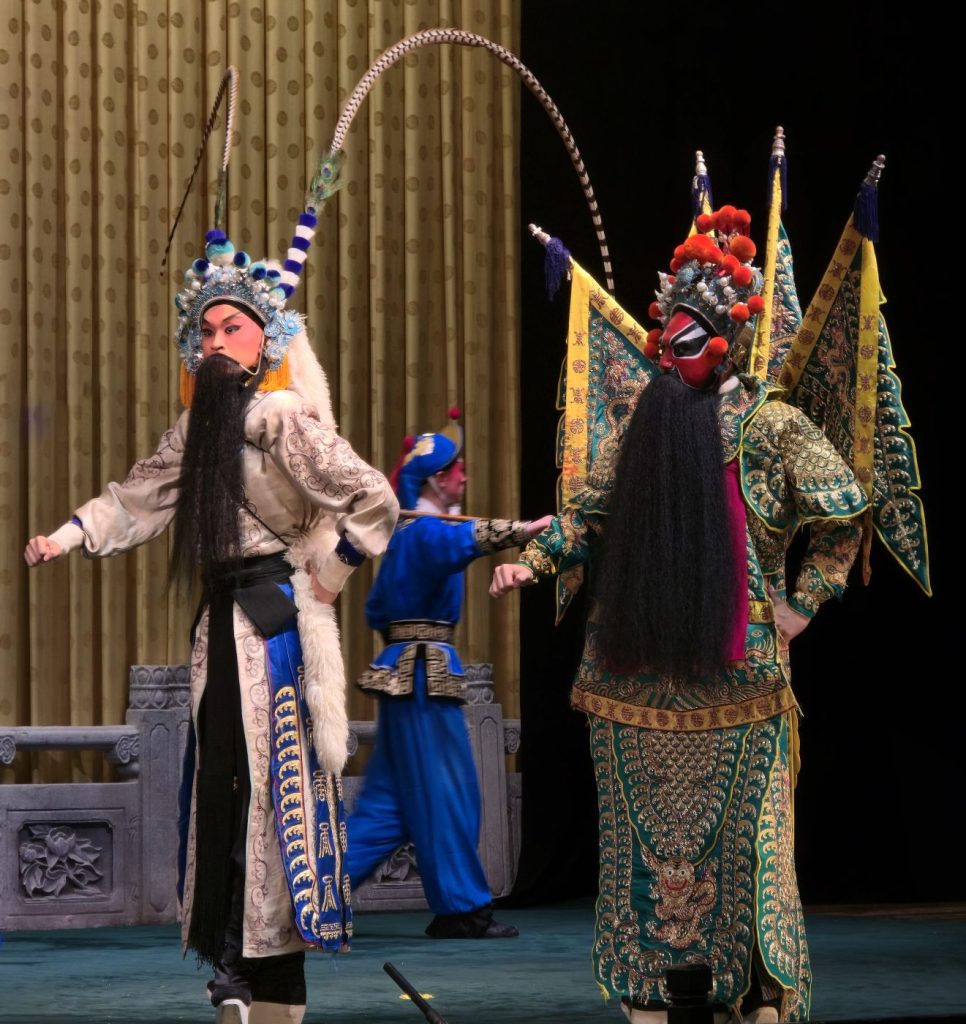
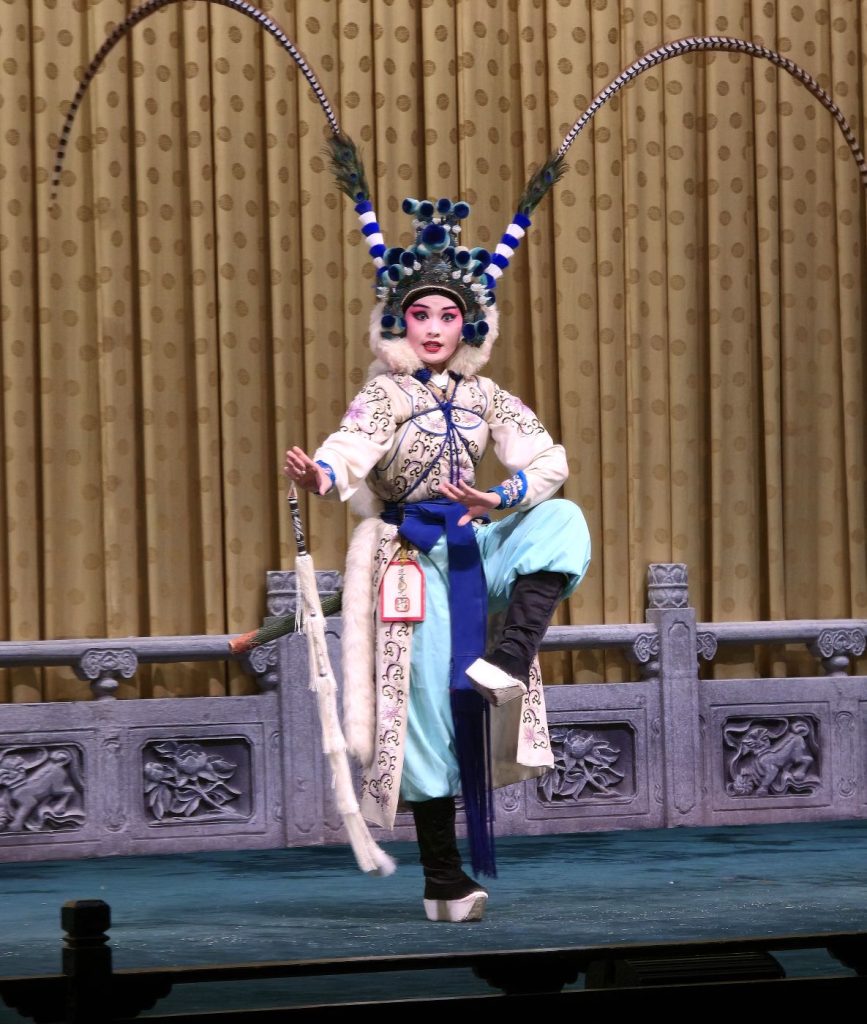
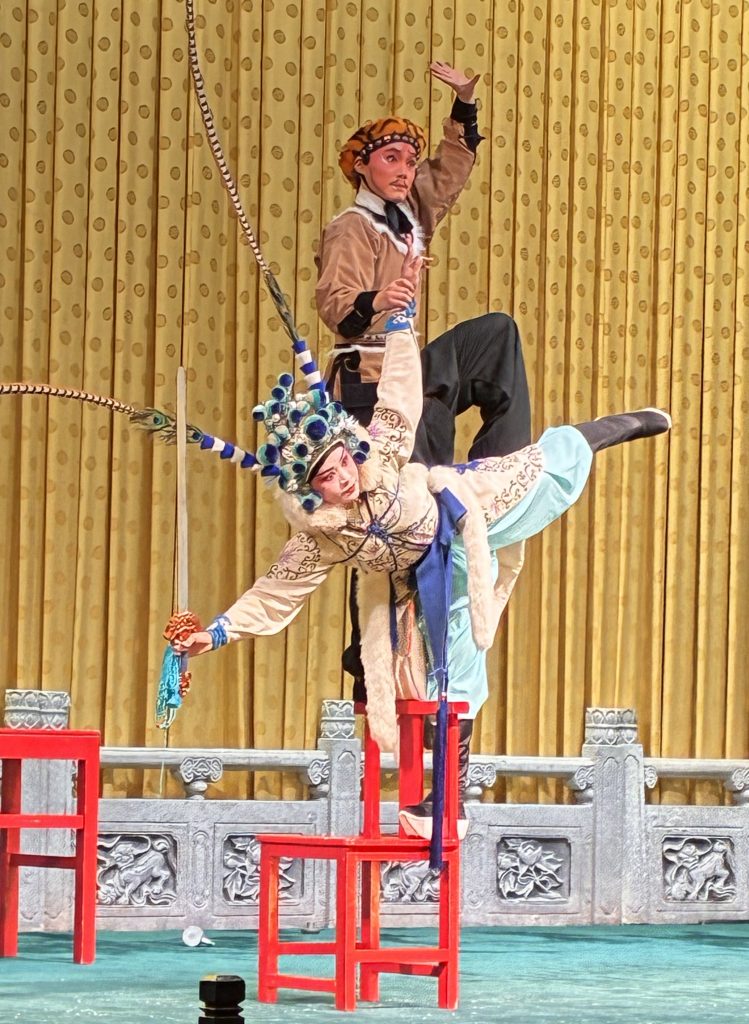
Marty took this shot, which somehow figured in the plot as a duel.
The Great Wall
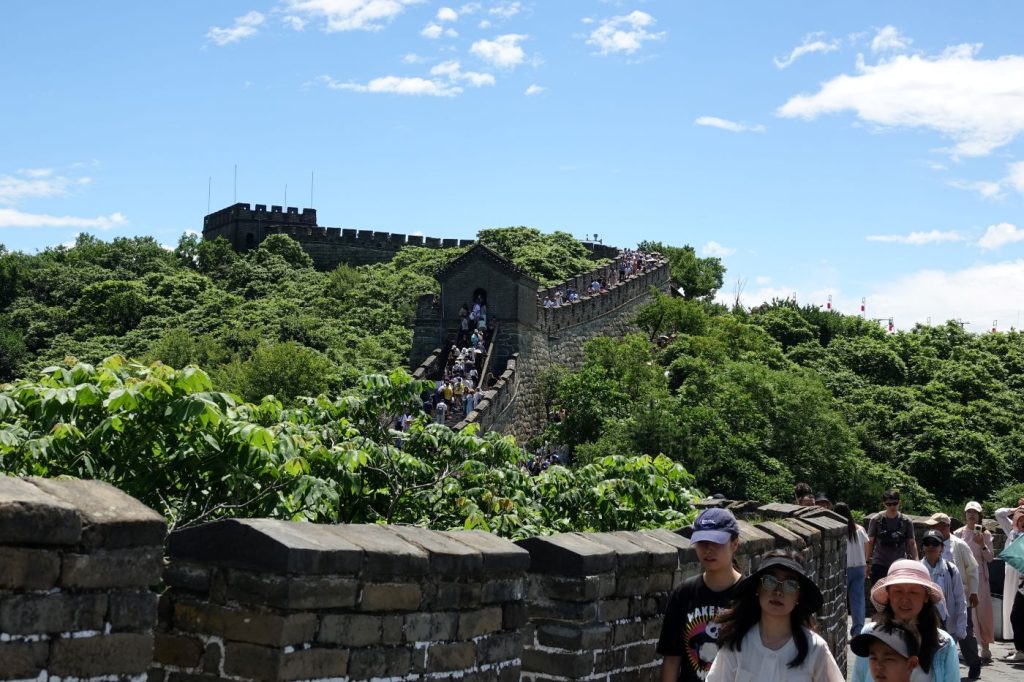
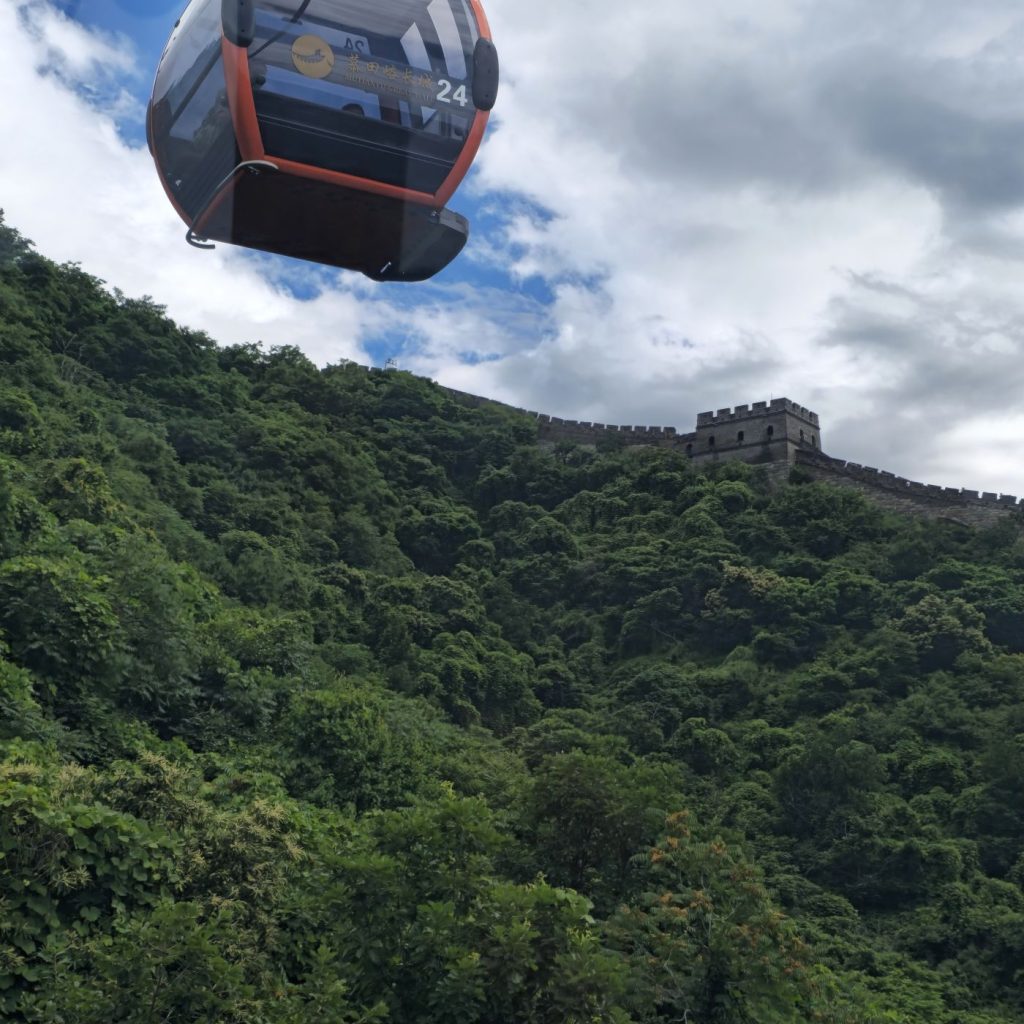
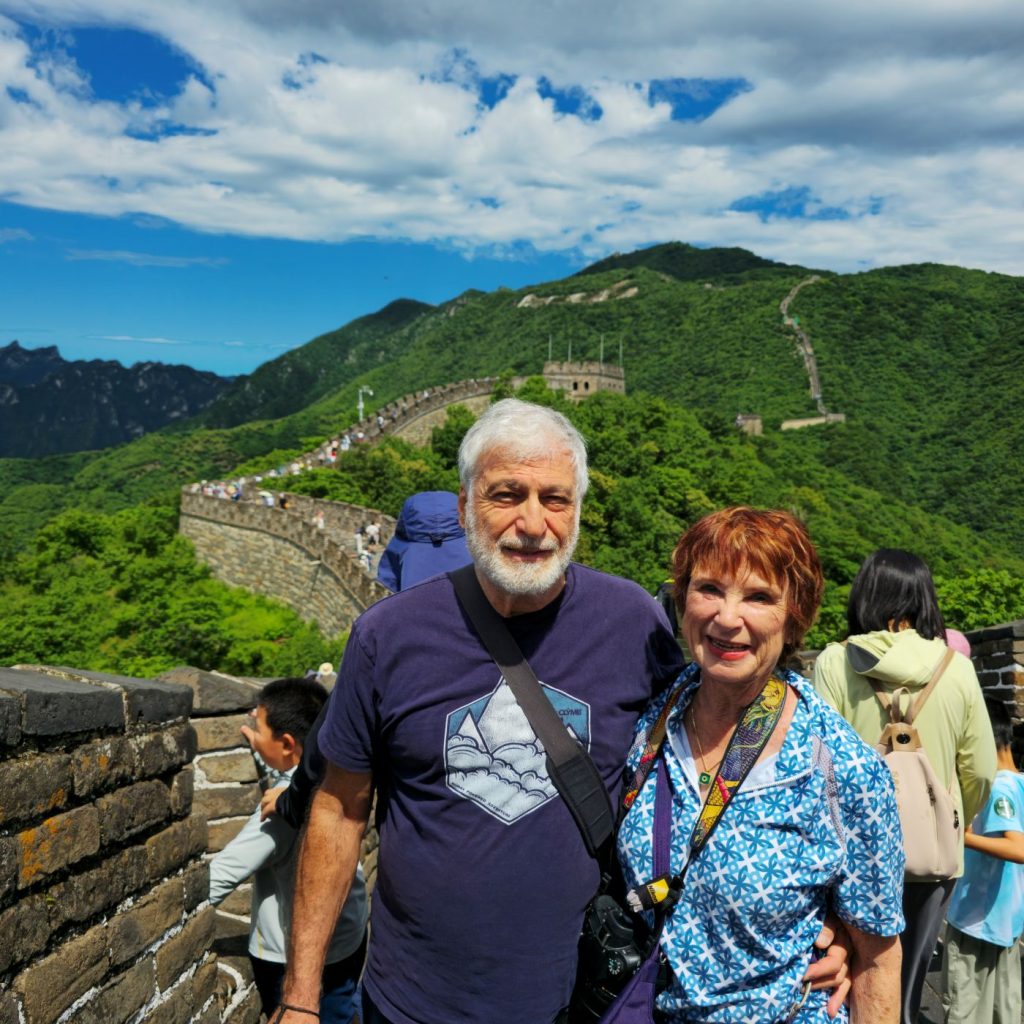
You think you know what to expect, but then you view the Great Wall of China and realize that it cannot be captured by a camera. The next best thing is to capture the memory of being there.
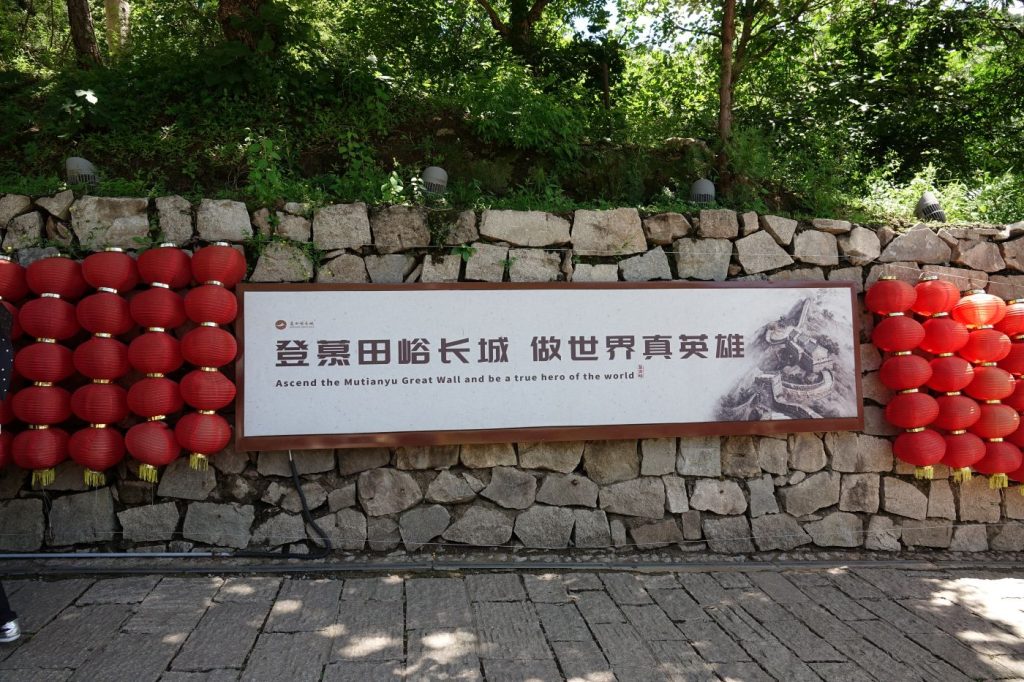
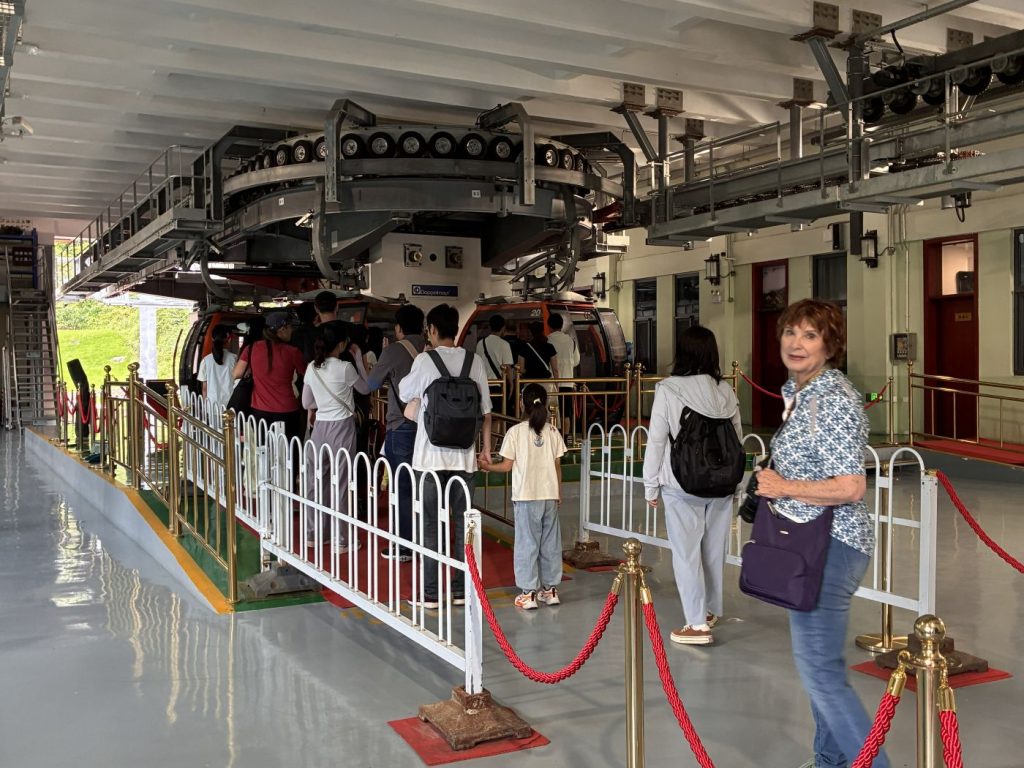
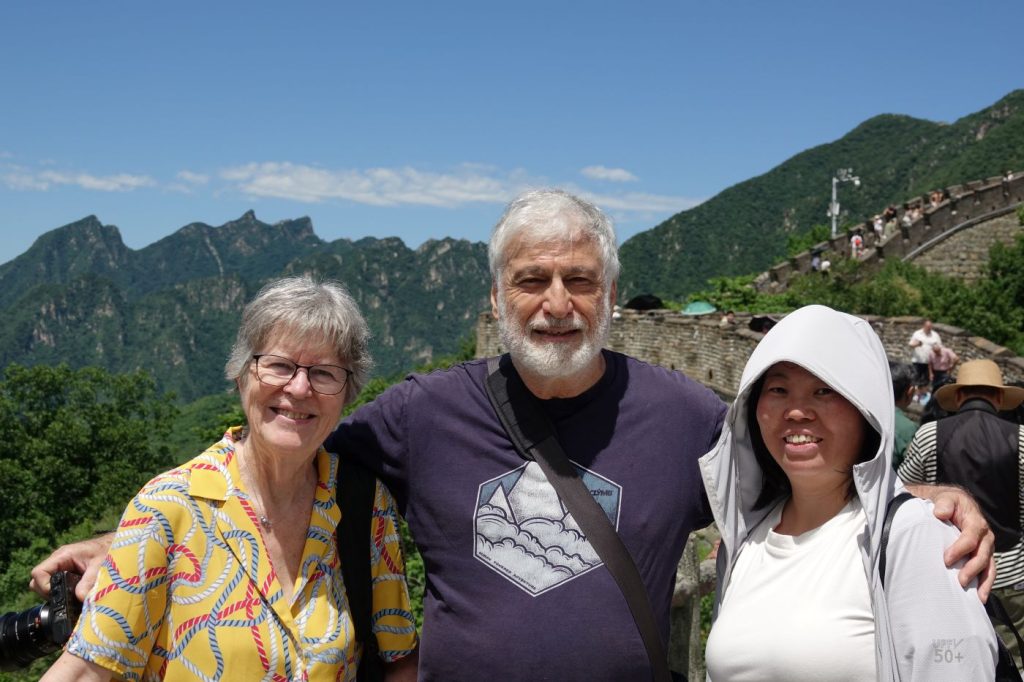
Many thanks to Vivian for making us head out early. Coming home we saw over three hours of traffic just to get to the entrance. Never visit on the Dragon Boat holiday.
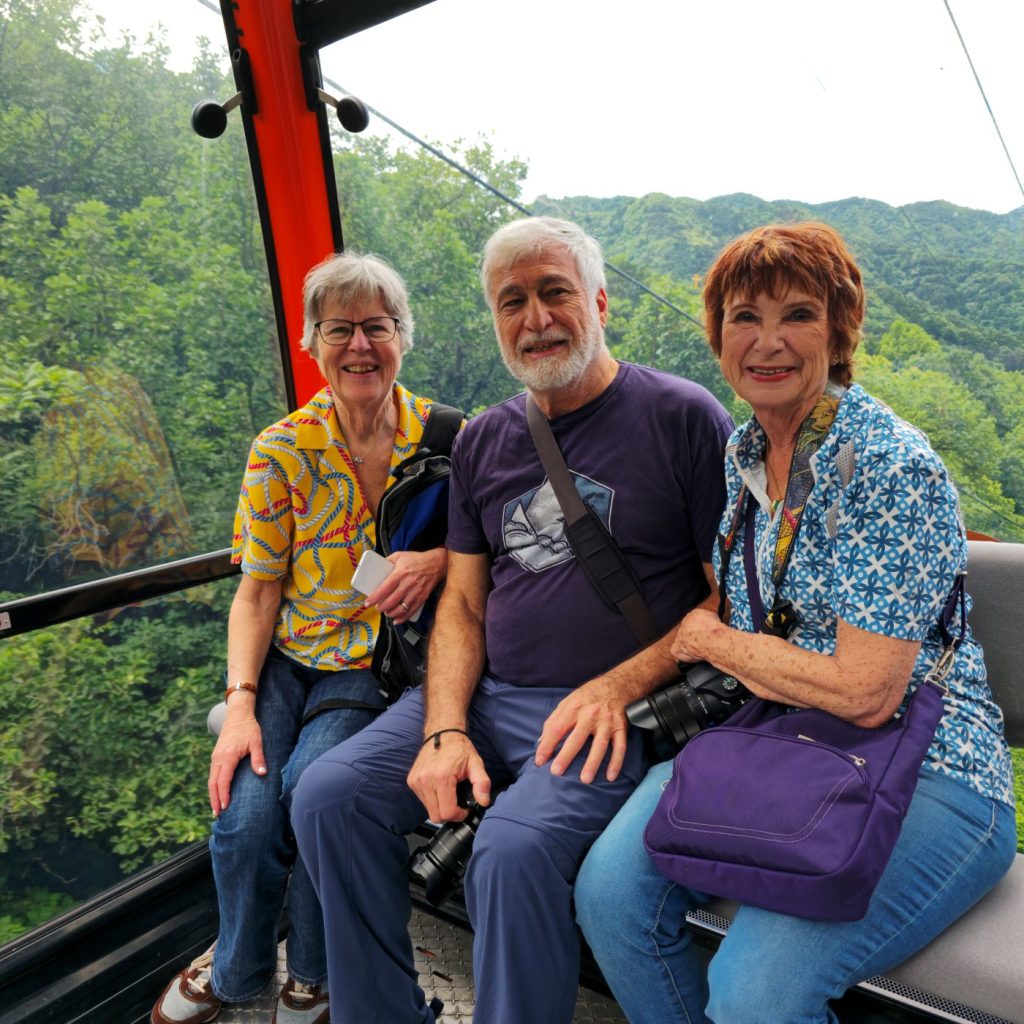
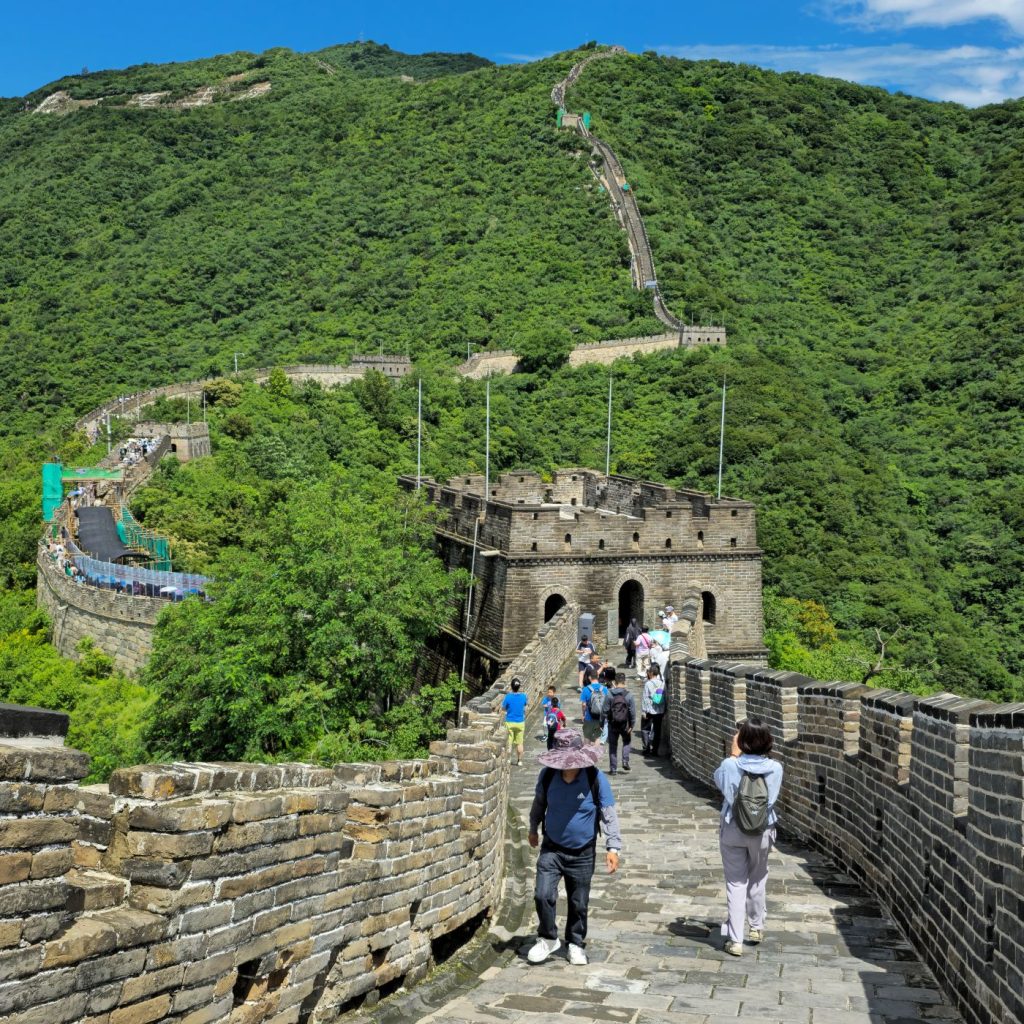
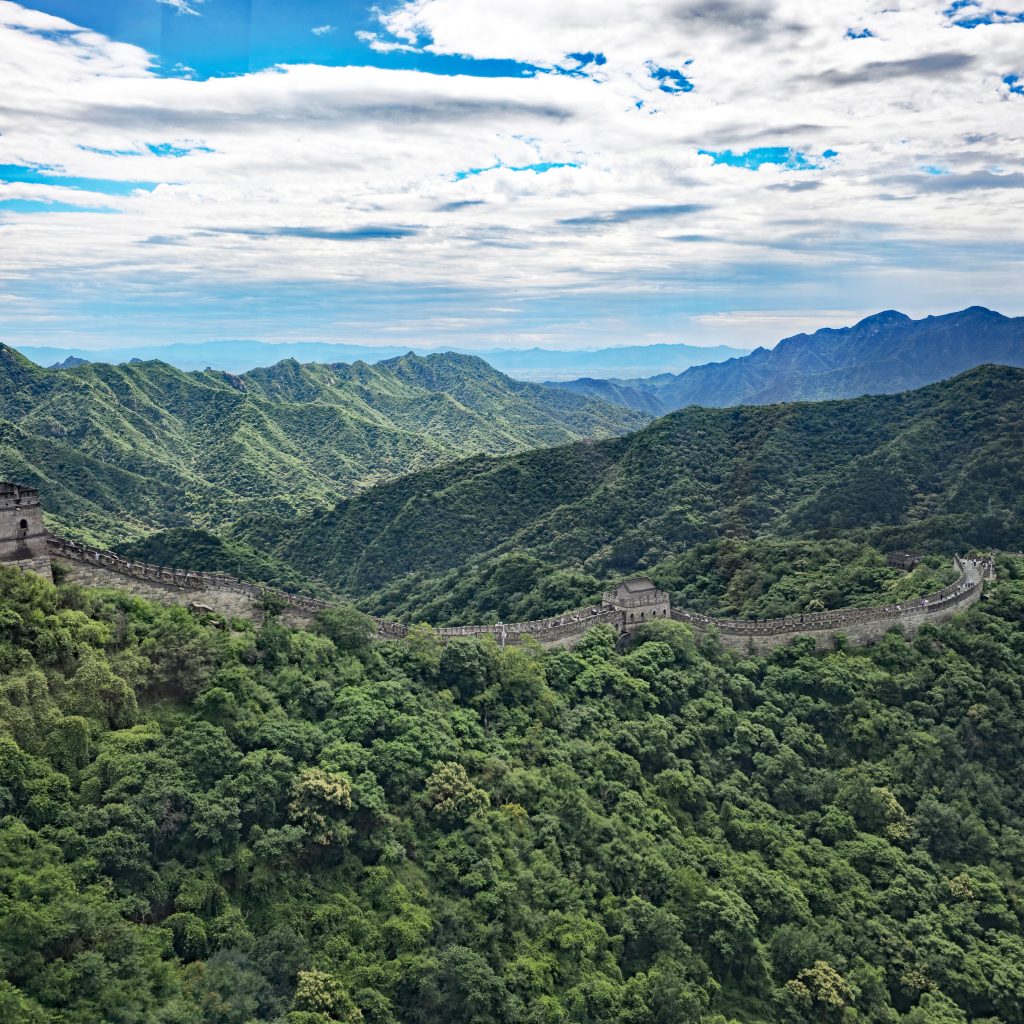
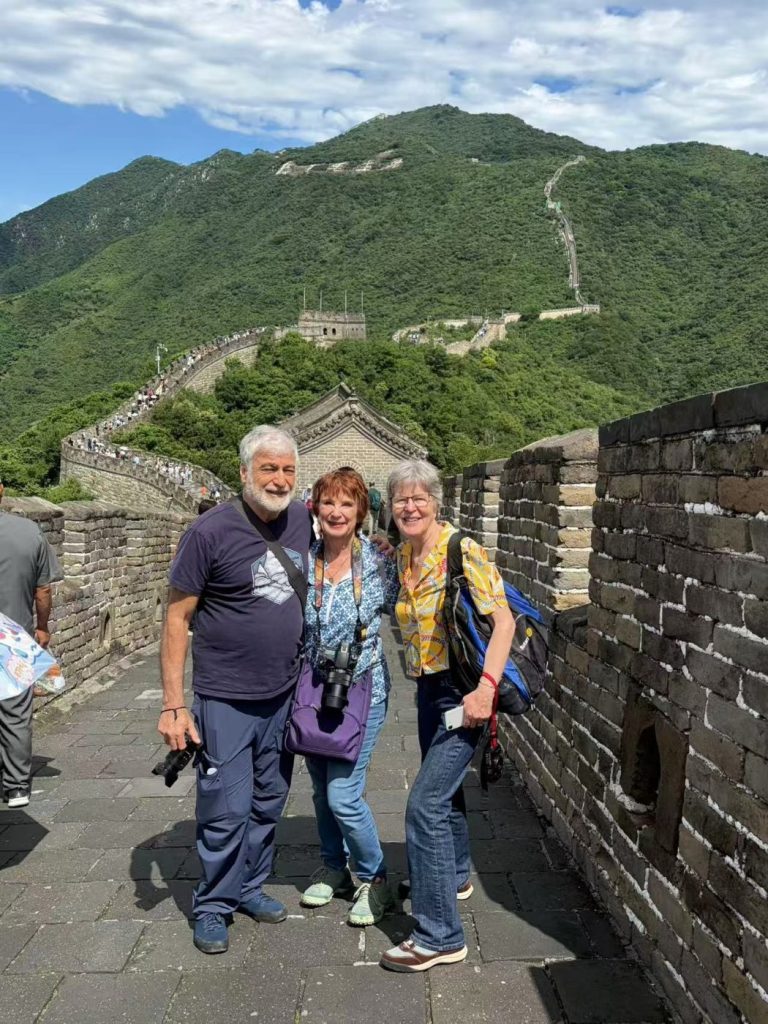
The Great Wall was effective but not unbreachable. The Mongolian army, led by Genghis Khan, first breached it in 1211 – thus neatly setting the stage for our next adventure, Mongolia.