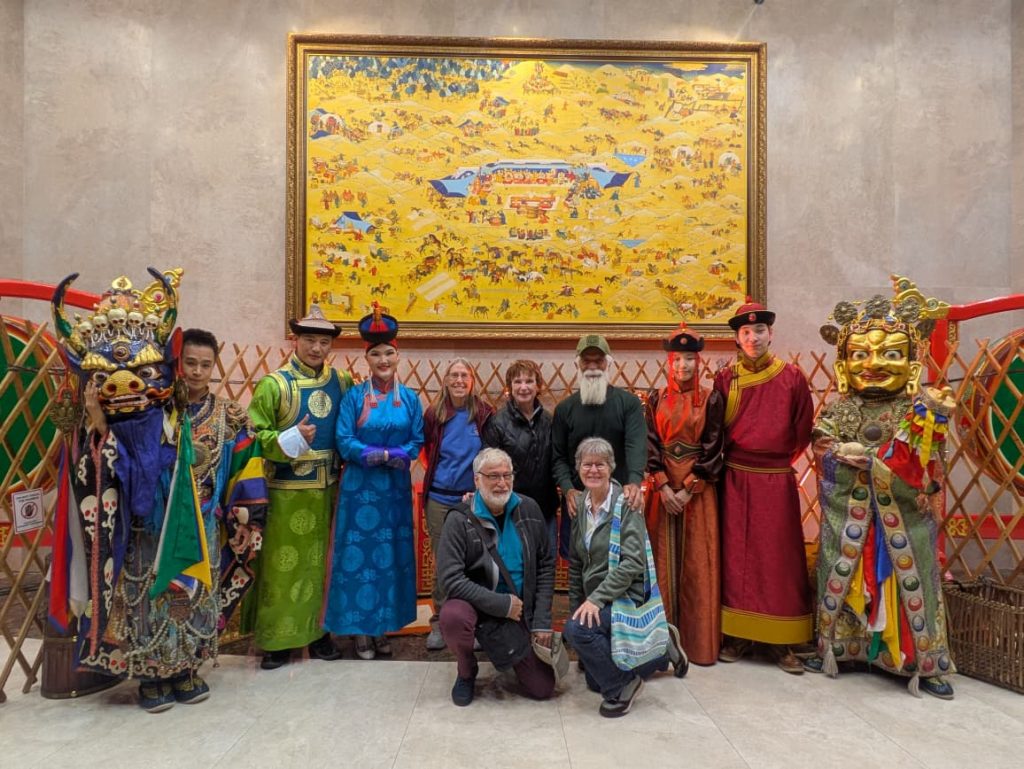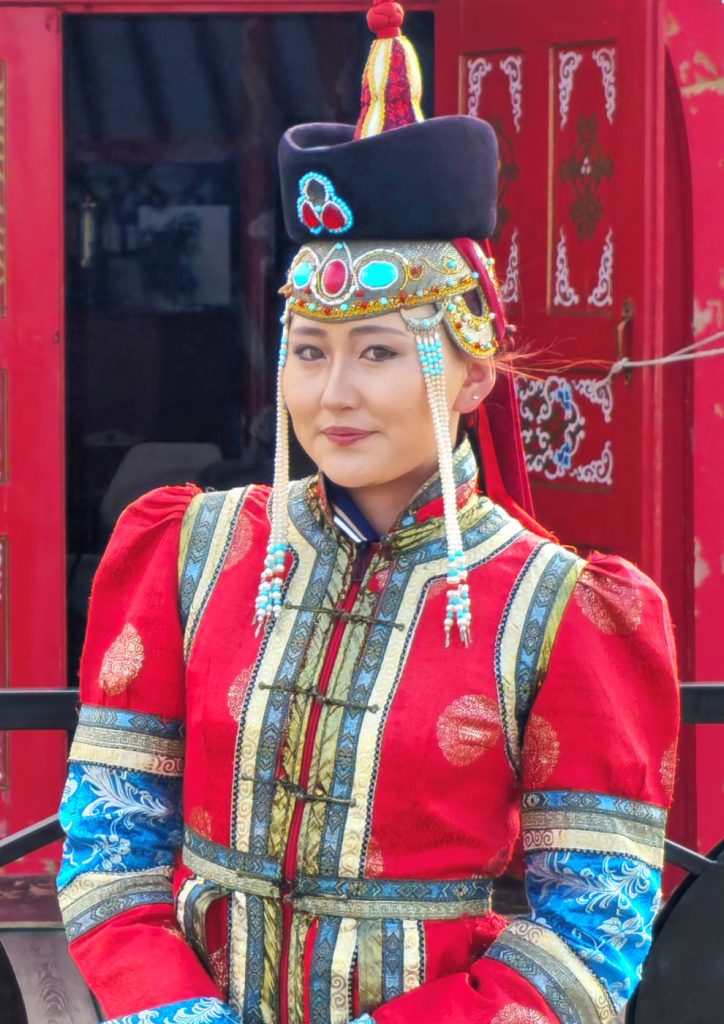
I was heading to Taiwan for the Rotary Convention, rooming with my friend Marty Peak Helman. Marty called me up. “I’m going to Mongolia,” she said, “Are you interested?” Um, I replied. I trotted upstairs to Yosi. “Do you want to go to Mongolia with Marty?” I asked. “I’ve always wanted to go to Mongolia,” he replied. “I never wanted to go to Mongolia,” I noted. But, what the heck, why not?
Most of these photos are mine, with a couple of additional ones from fellow travelers that I liked (obviously, I didn’t take the ones that I am in). AI was used lightly for object removal and a bit of cleanup.
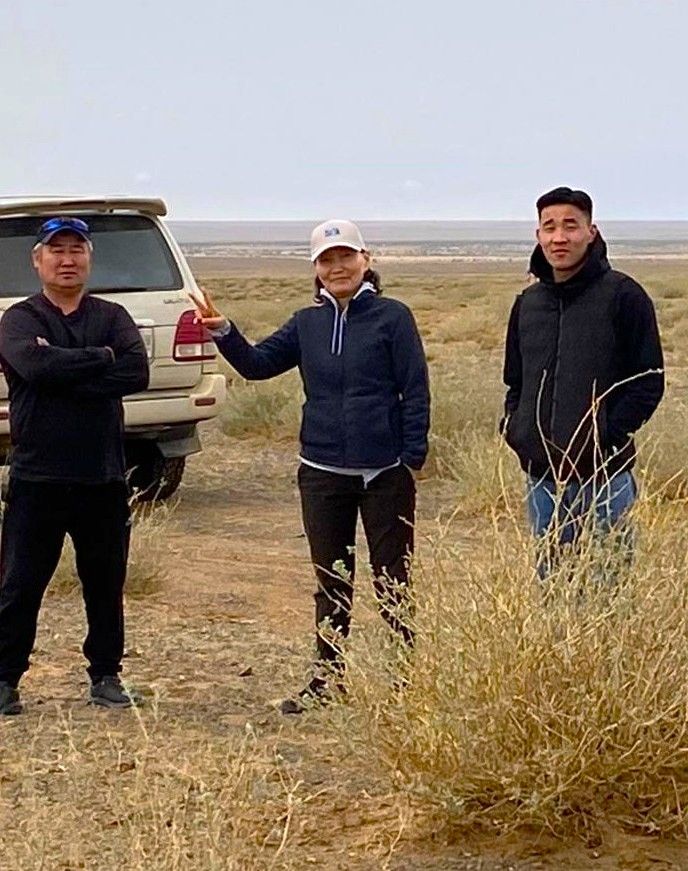
The Trekkers
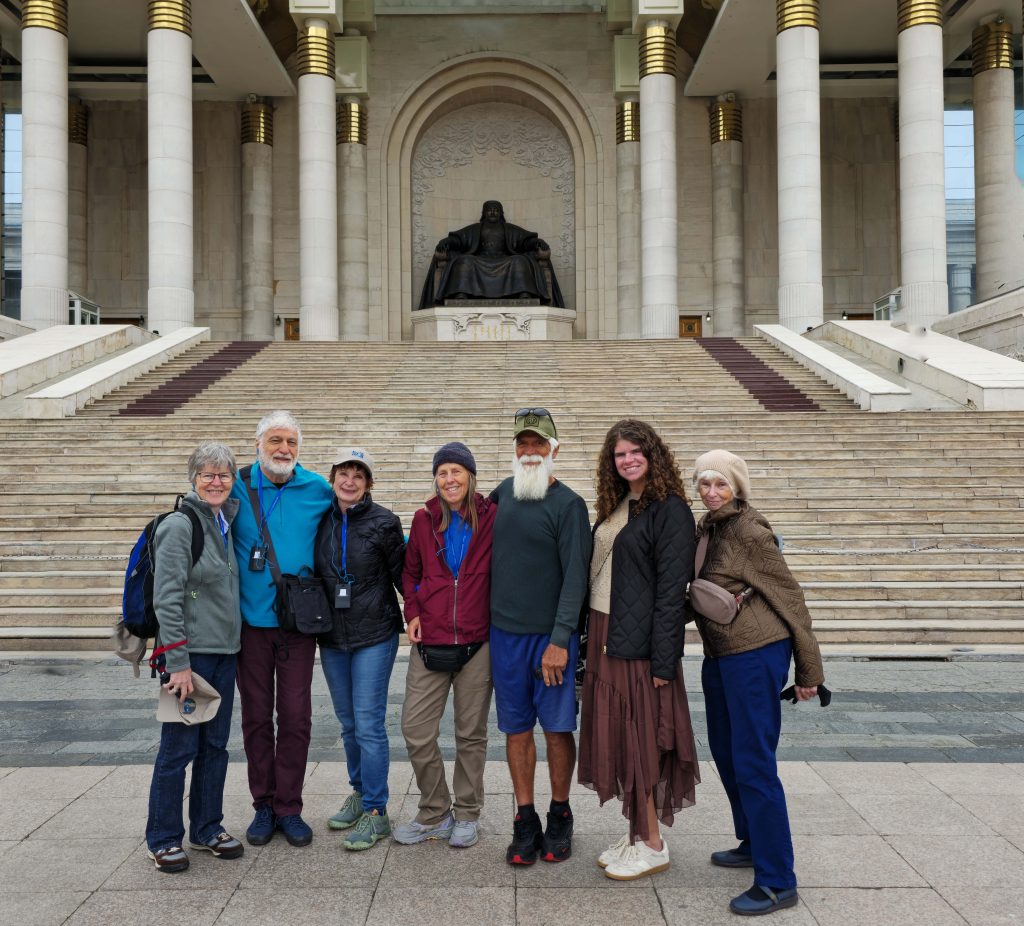
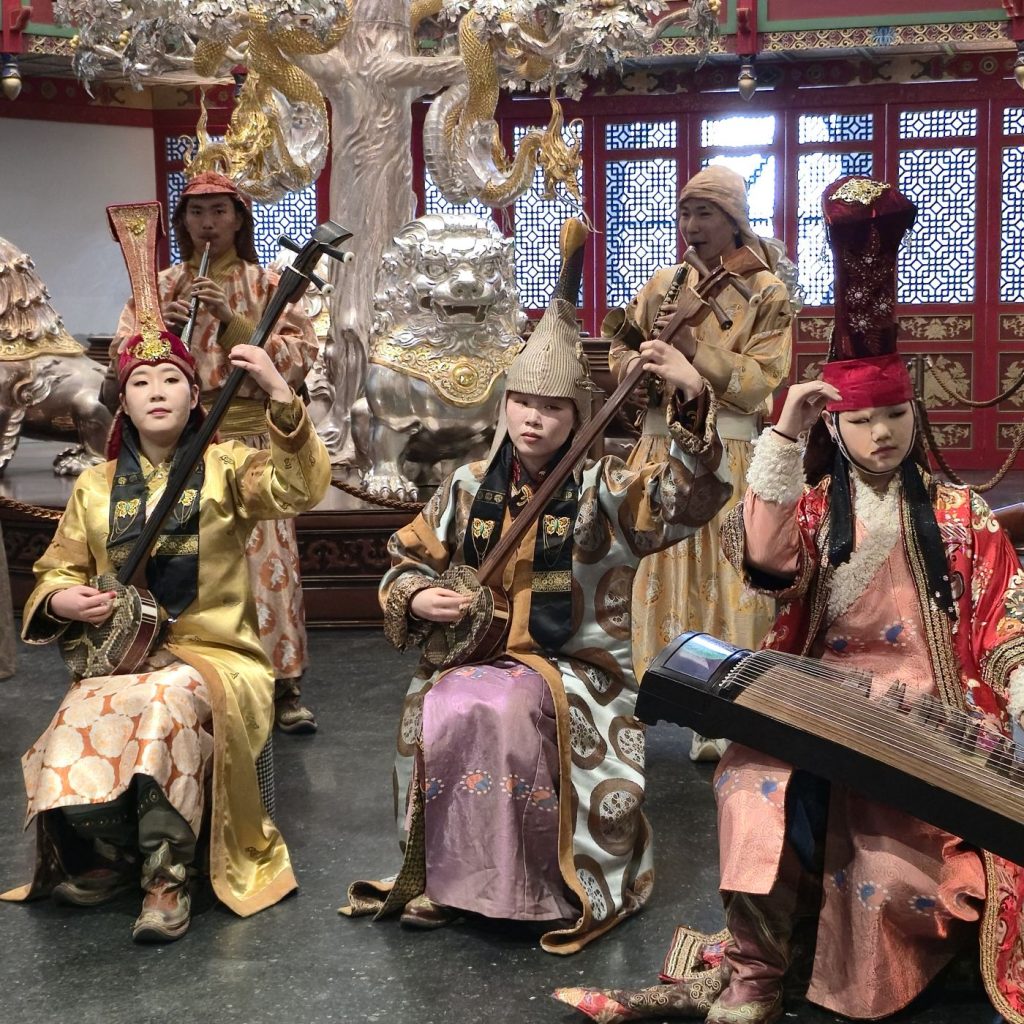
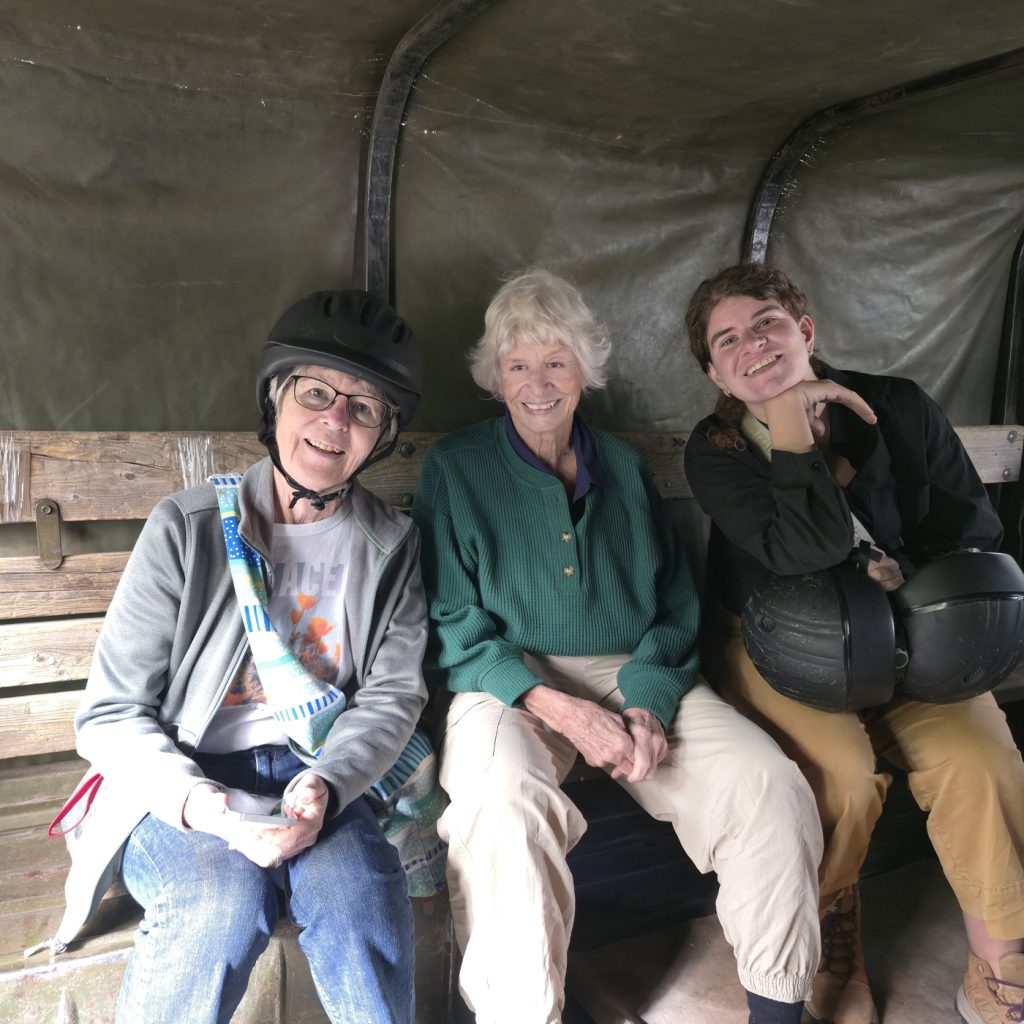
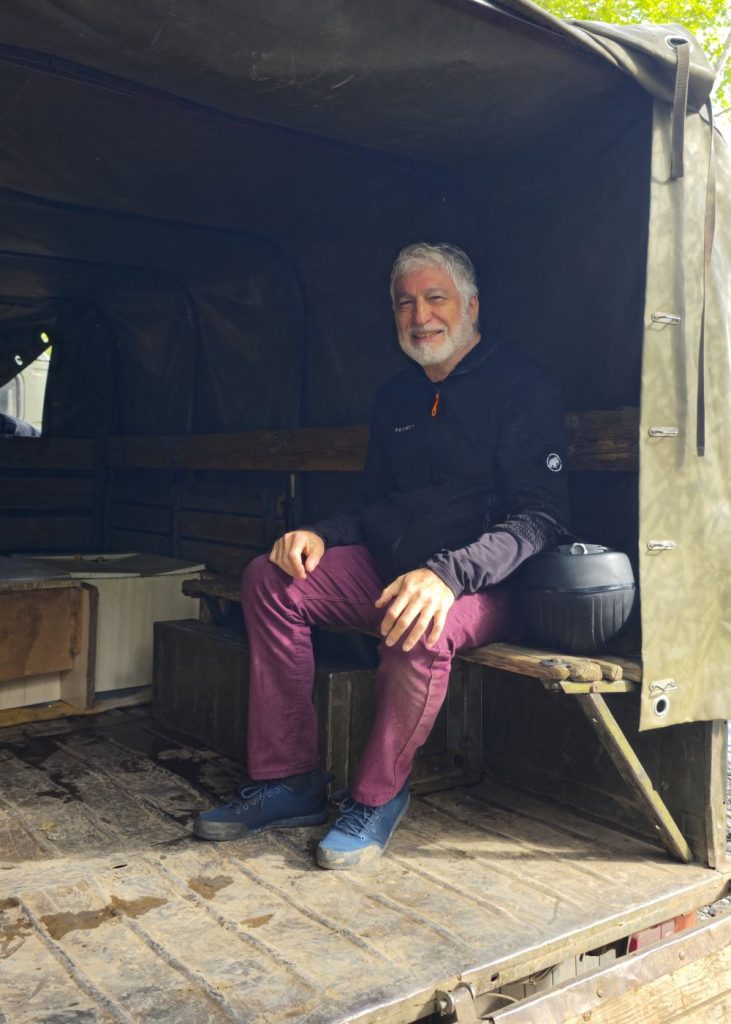
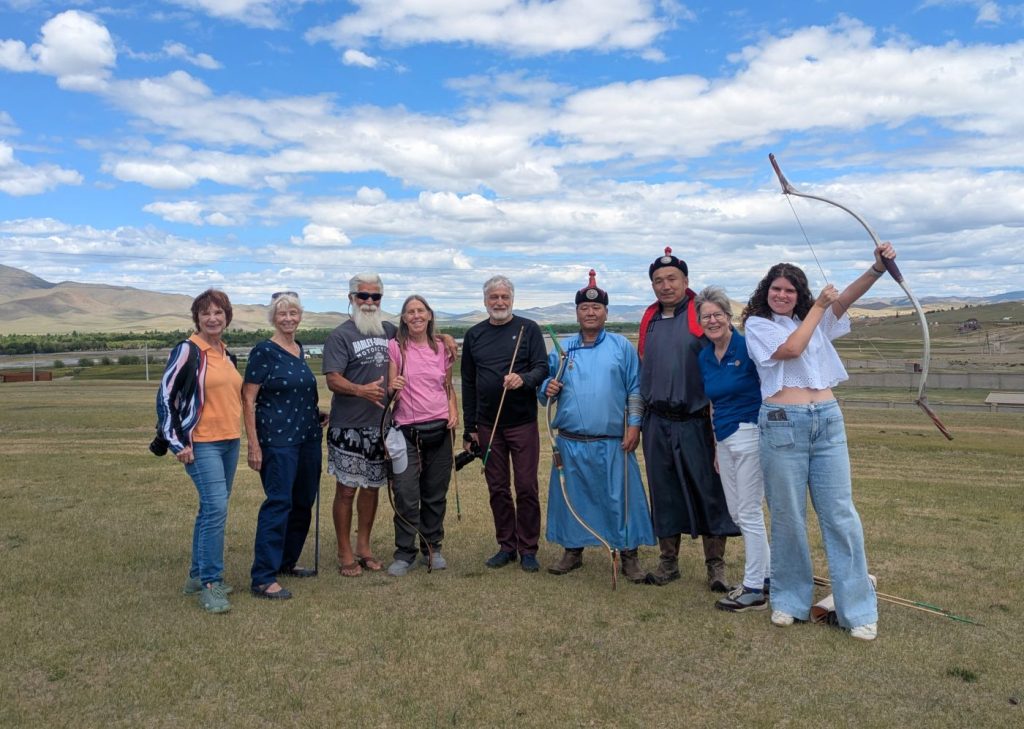
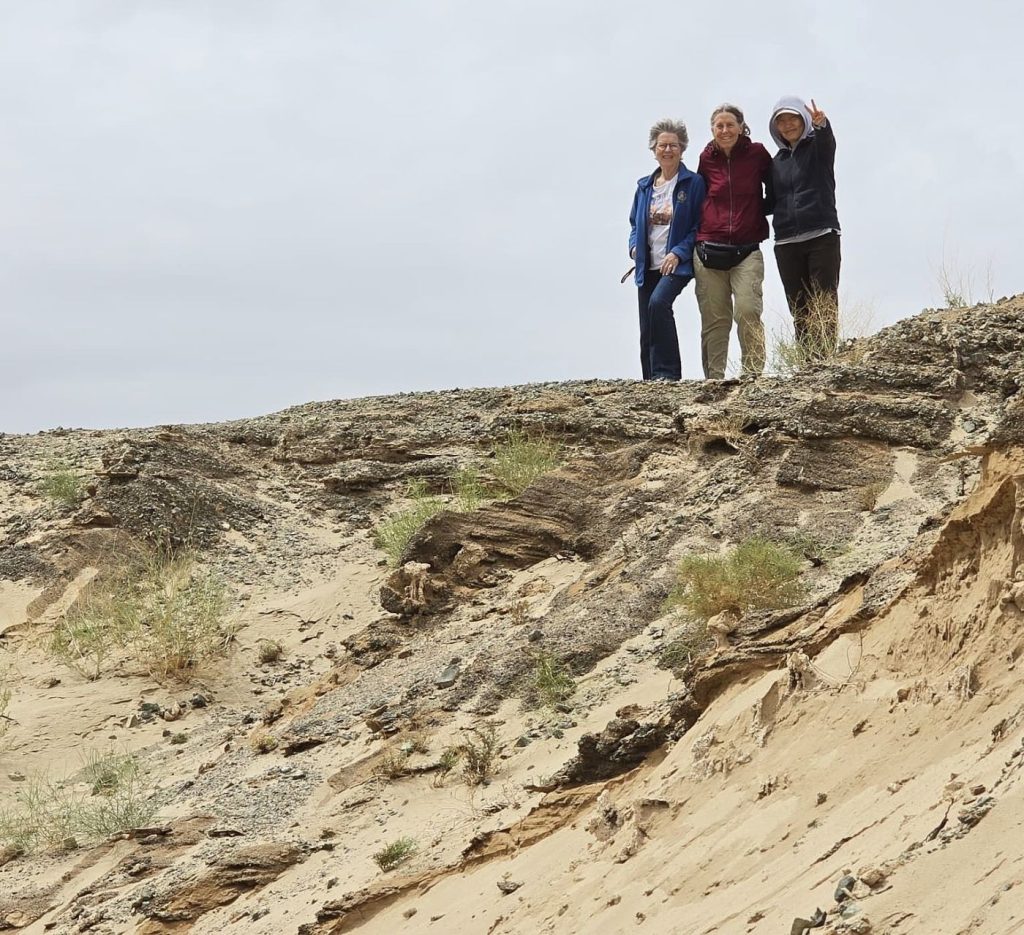
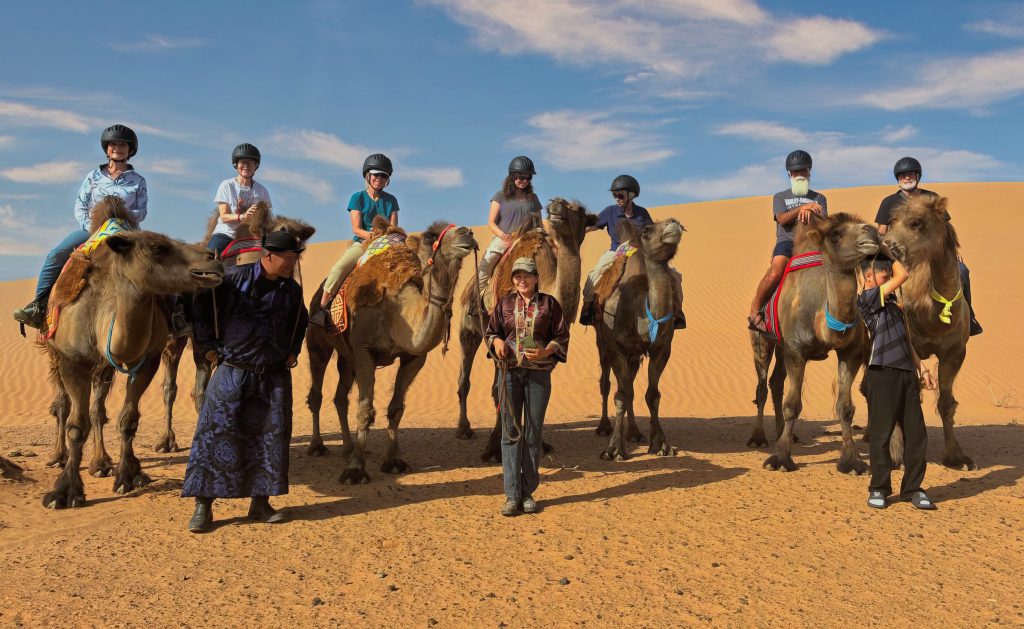
We were a group of seven like-minded, experienced travelers under the Blue Silk Travel leadership of Sara, whose warmth and knowledge made a special trip even greater.
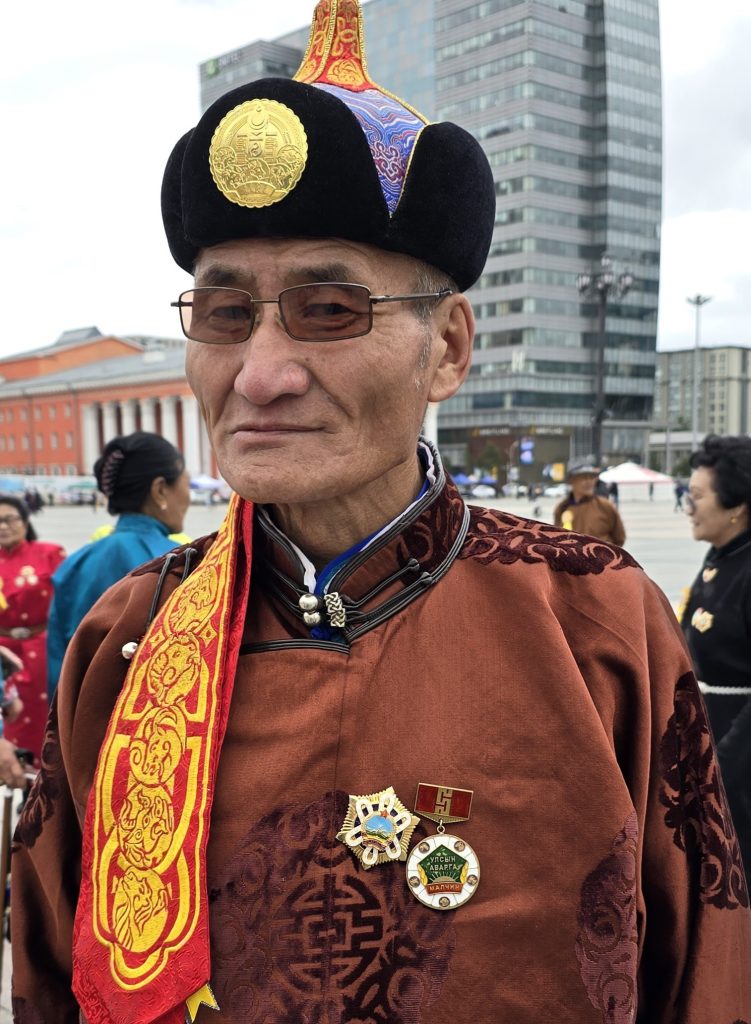
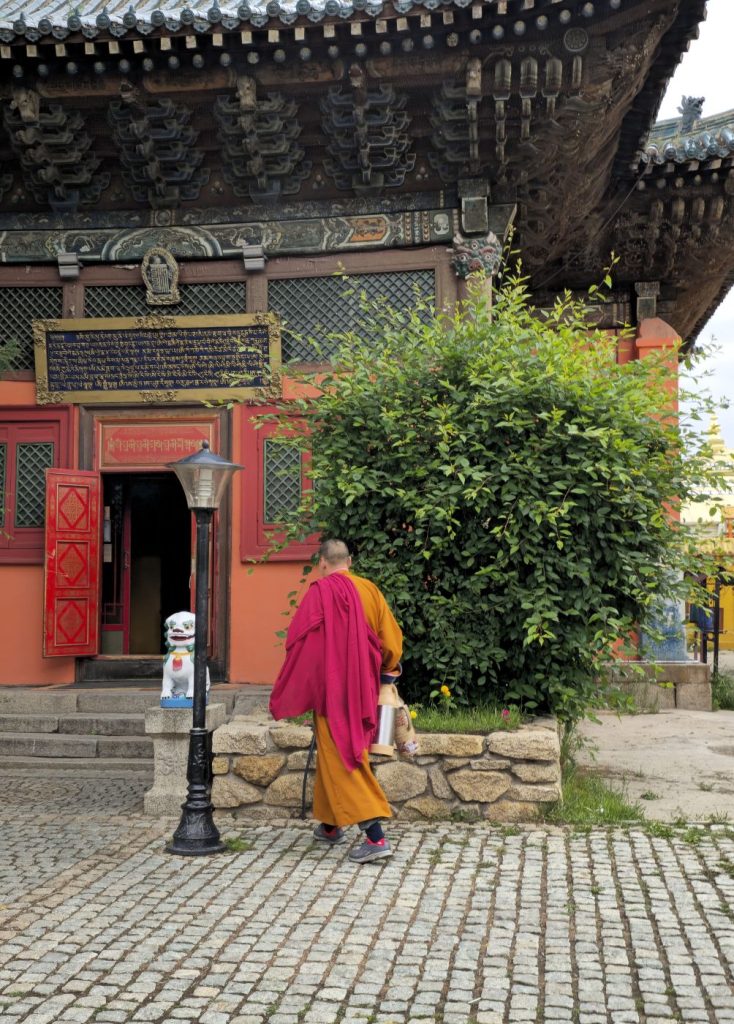
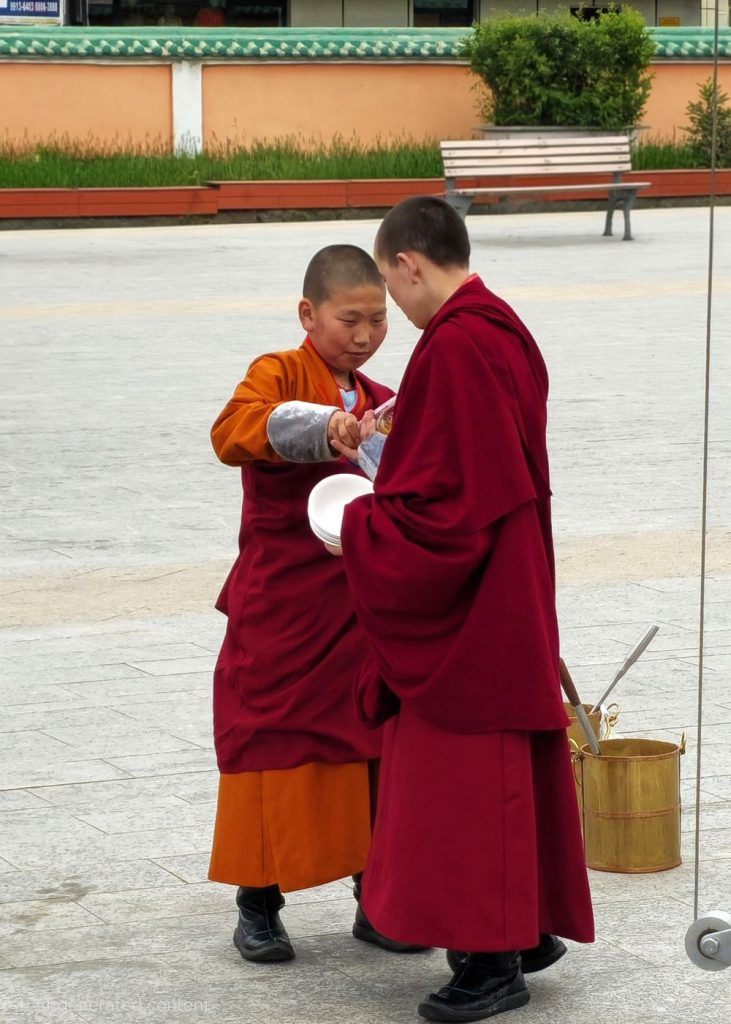
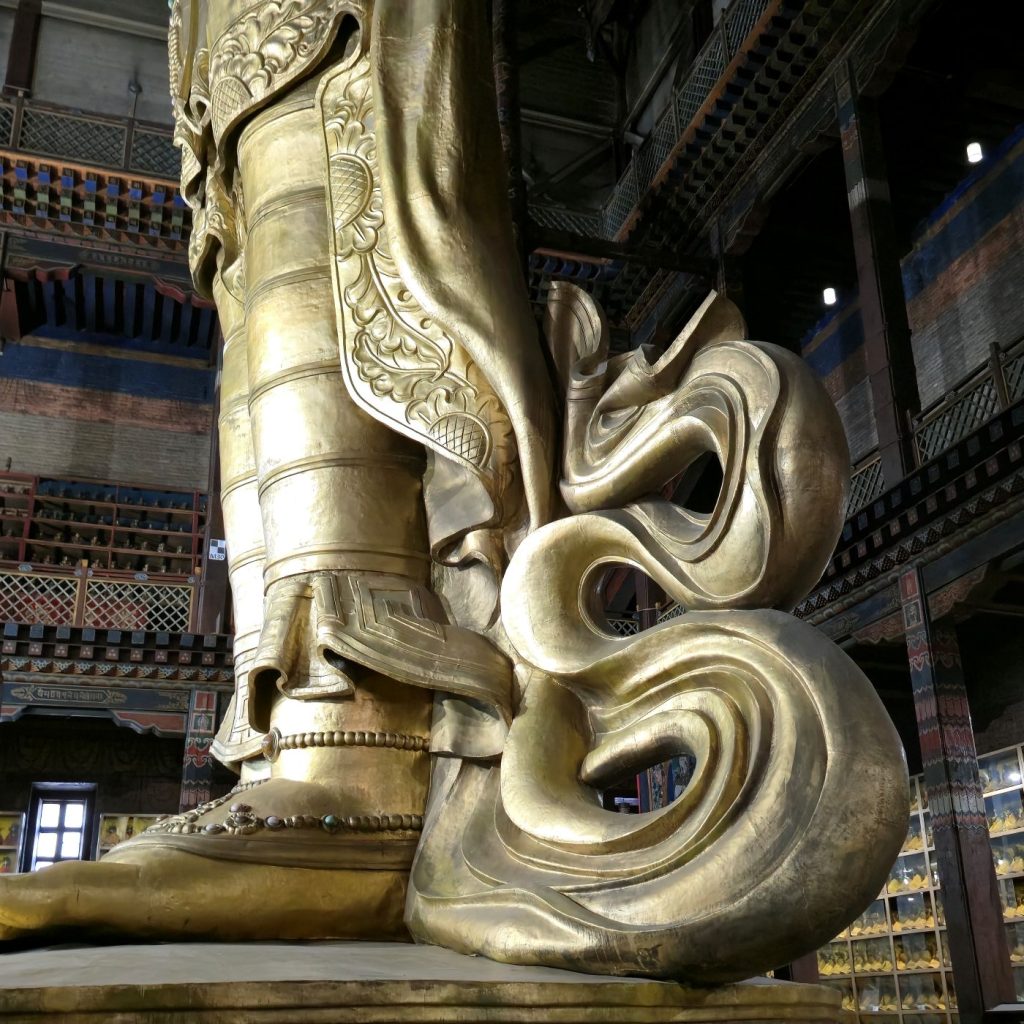
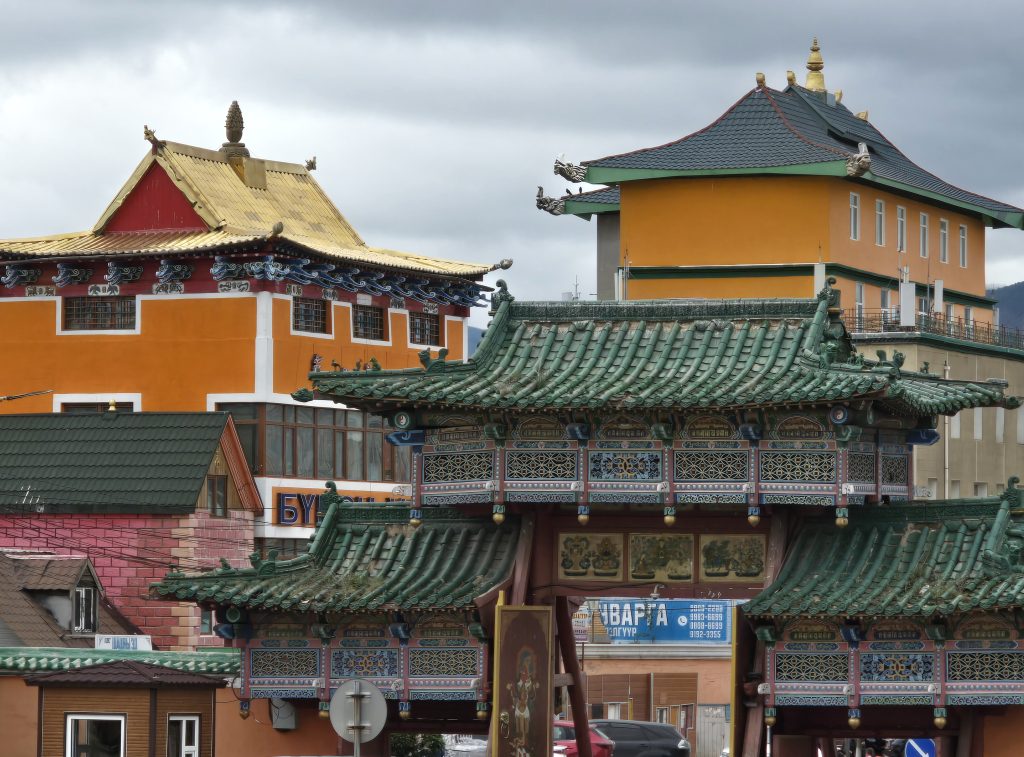
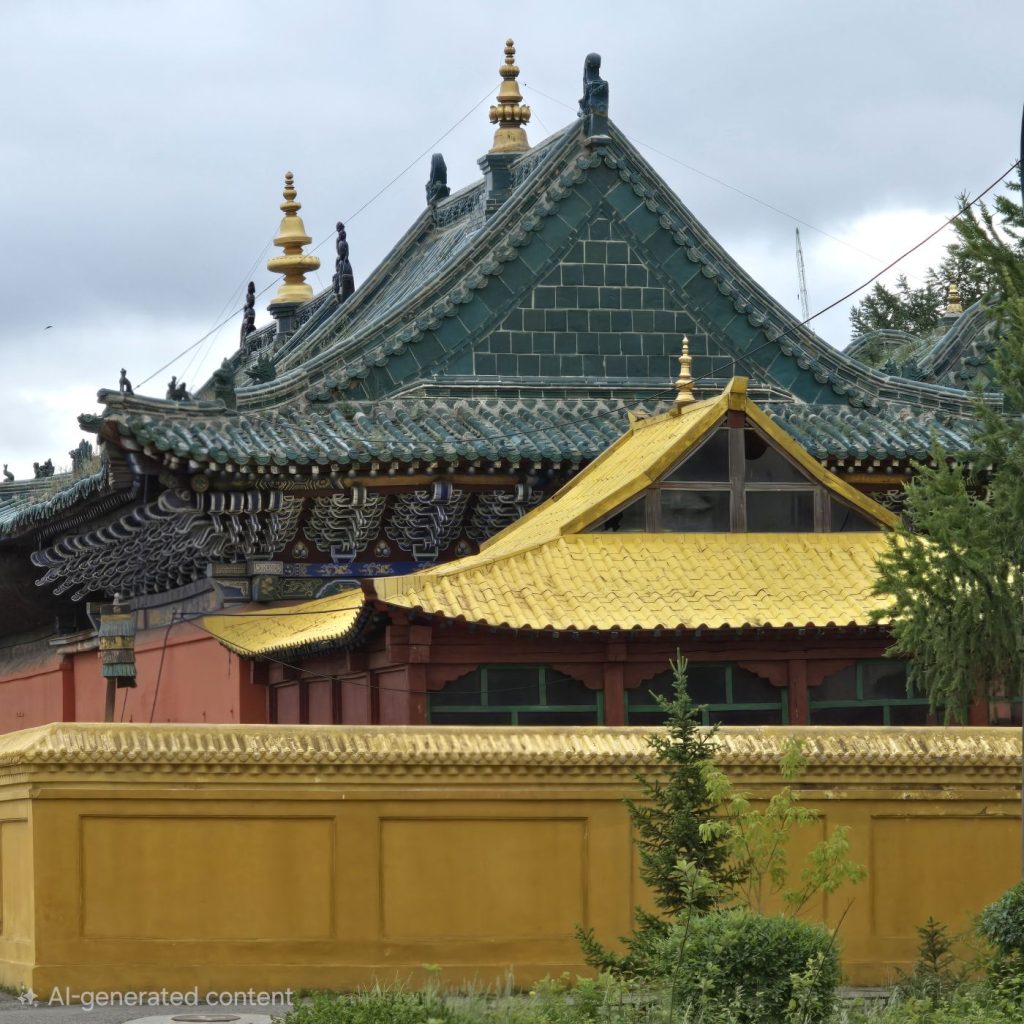
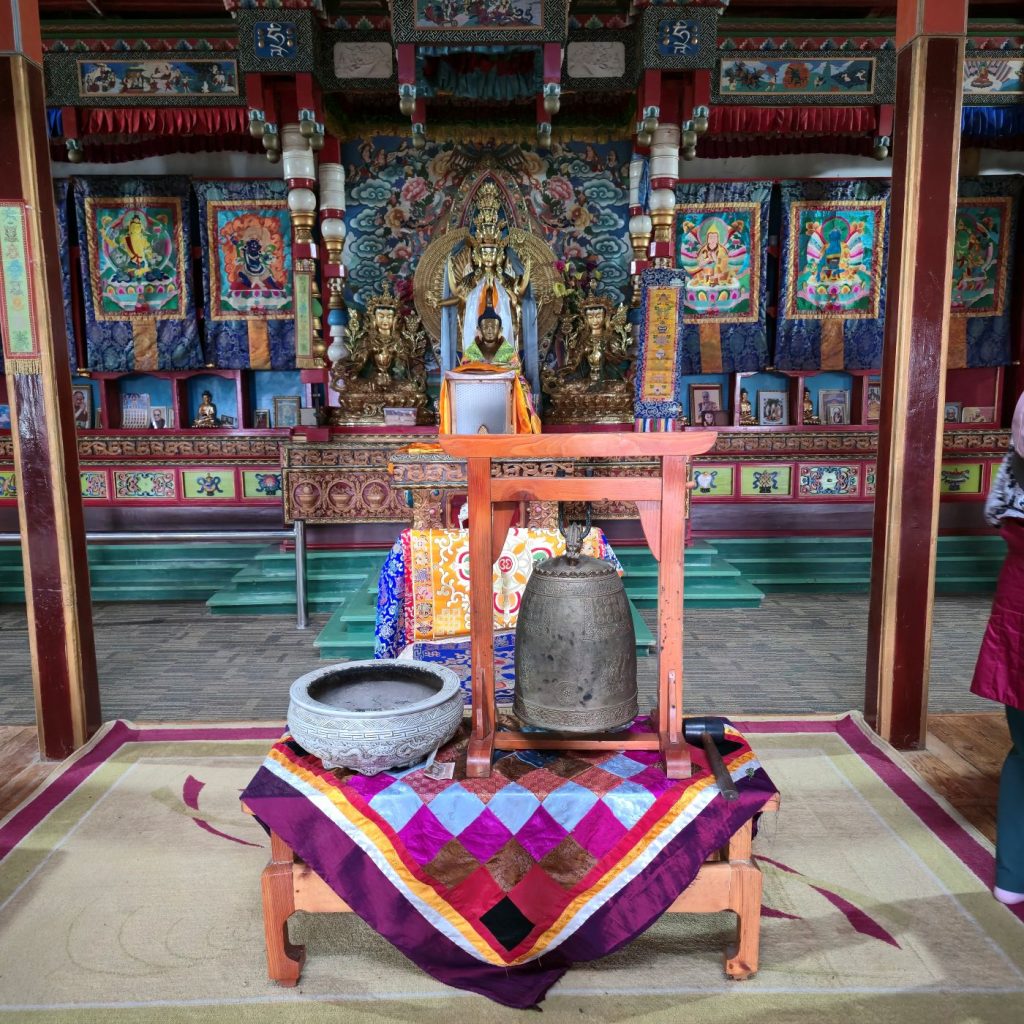
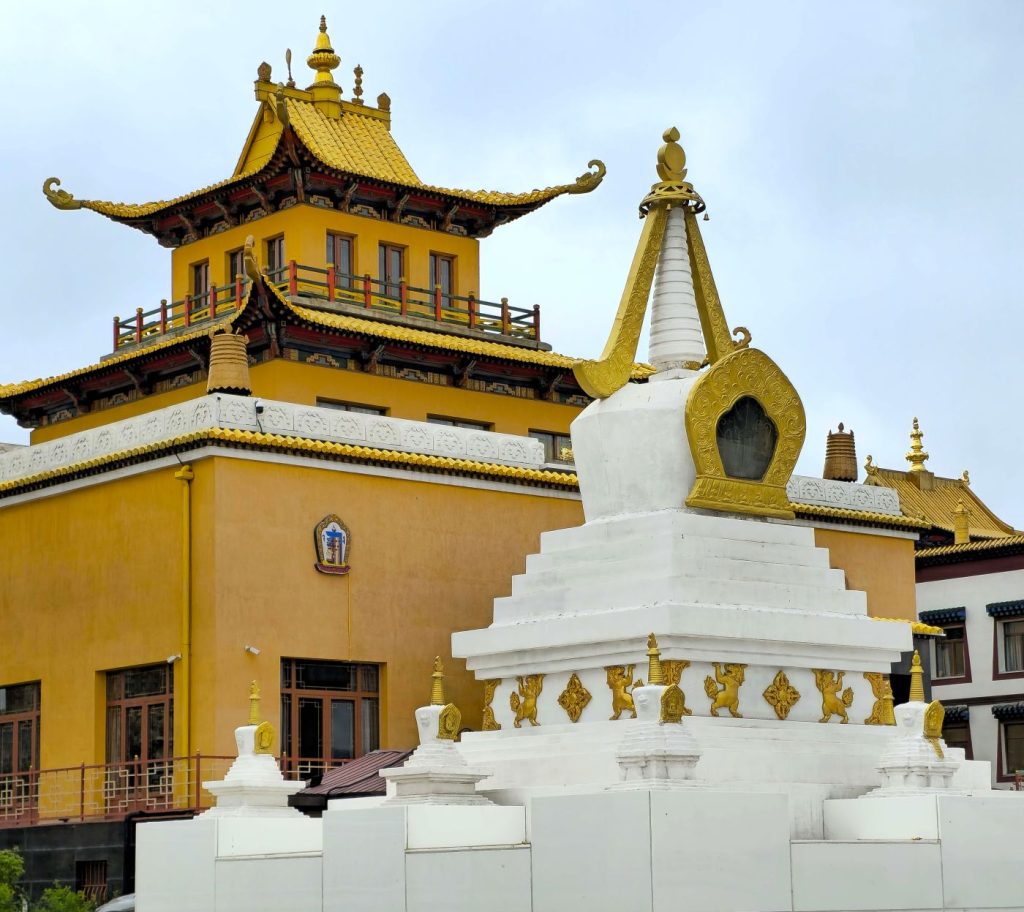
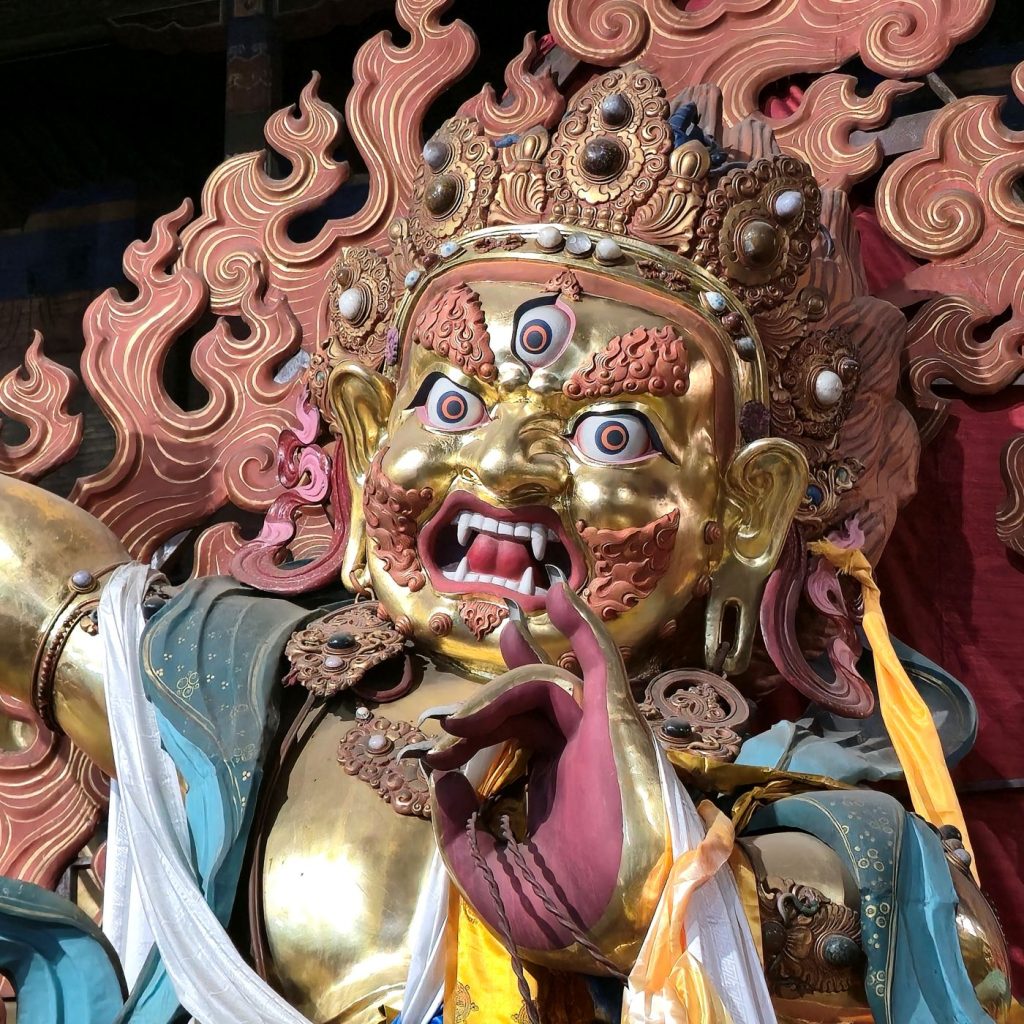
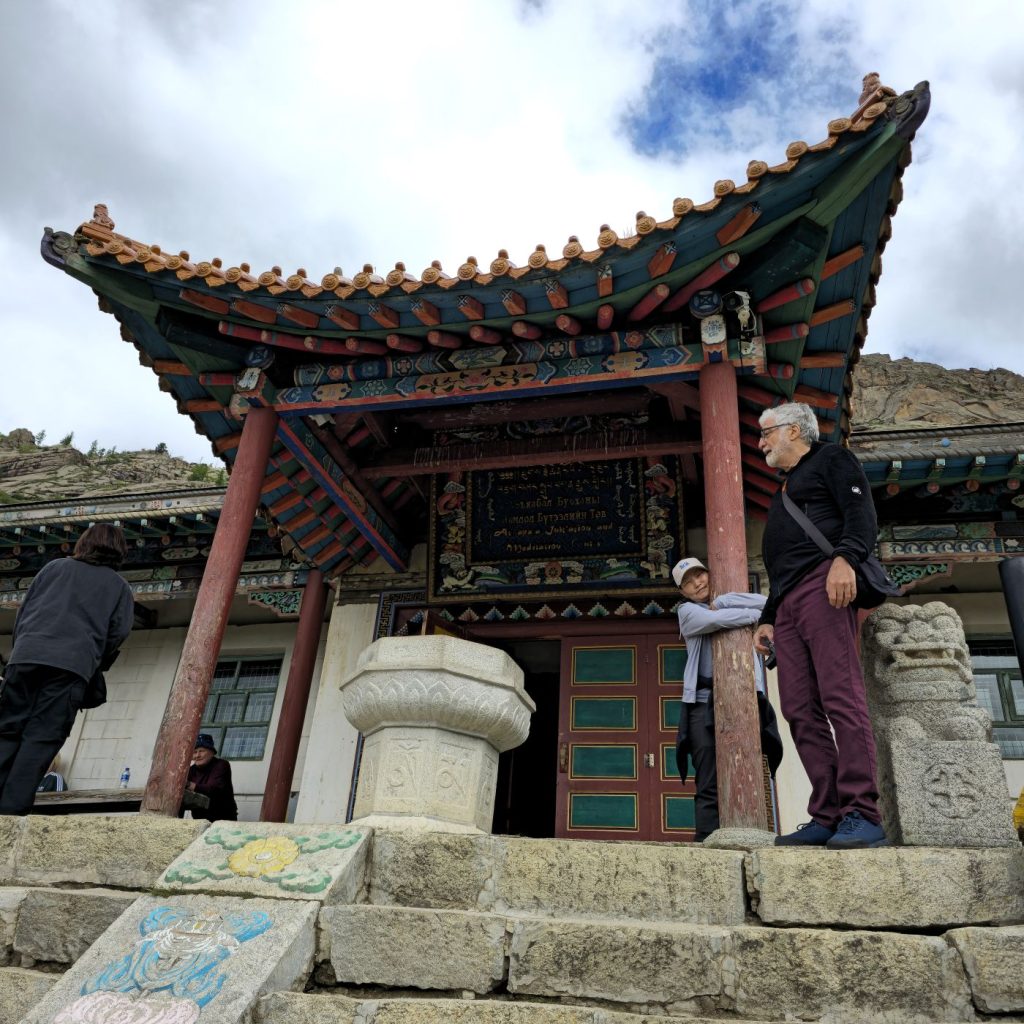
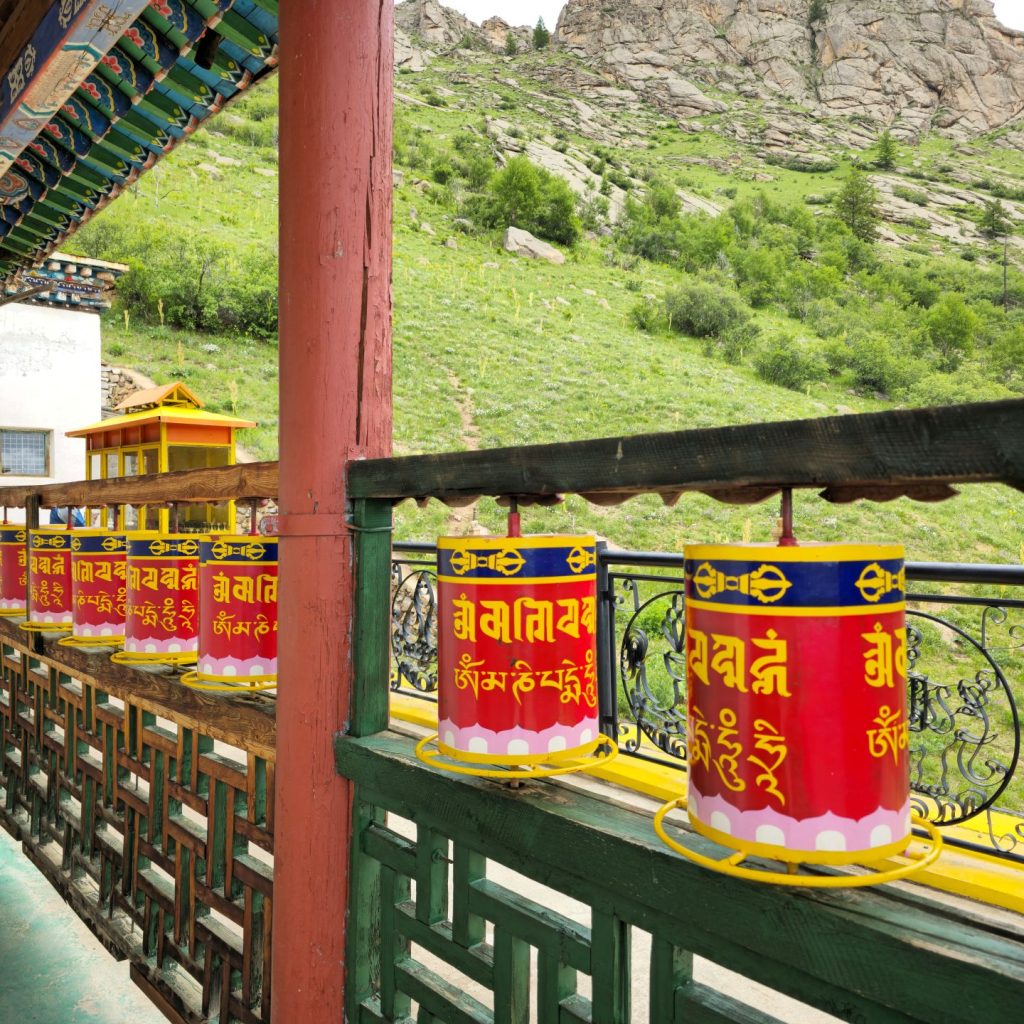
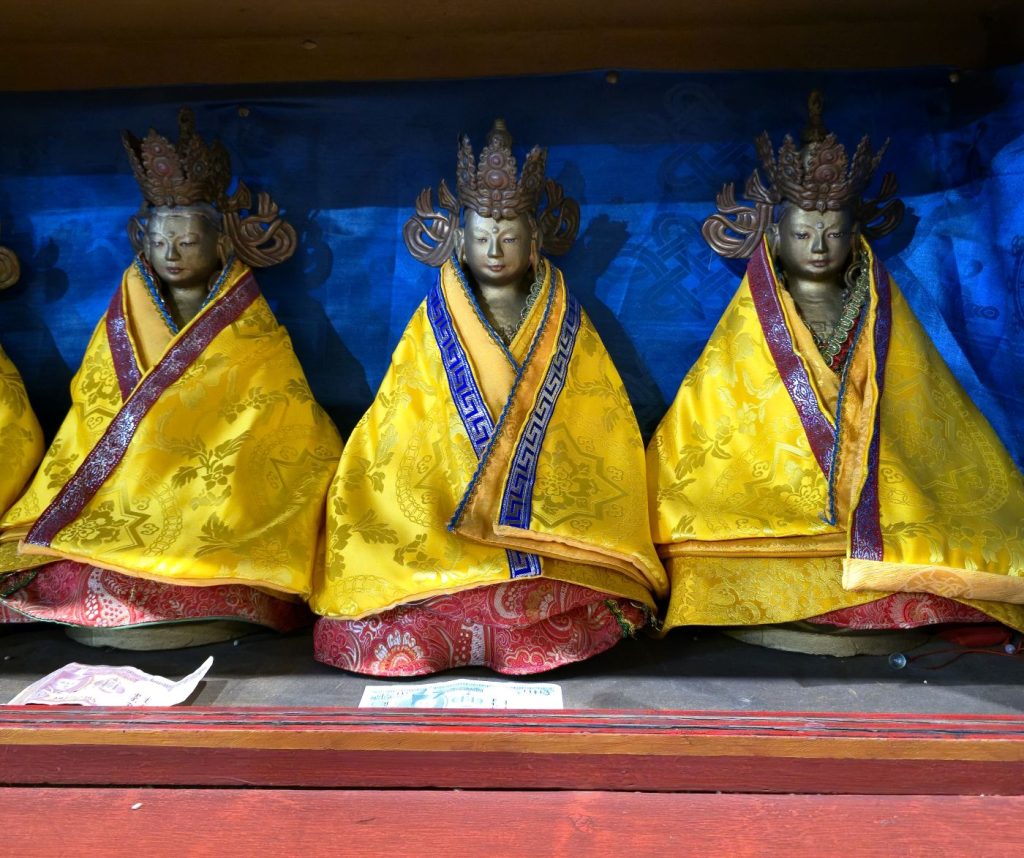
Temples and Monasteries
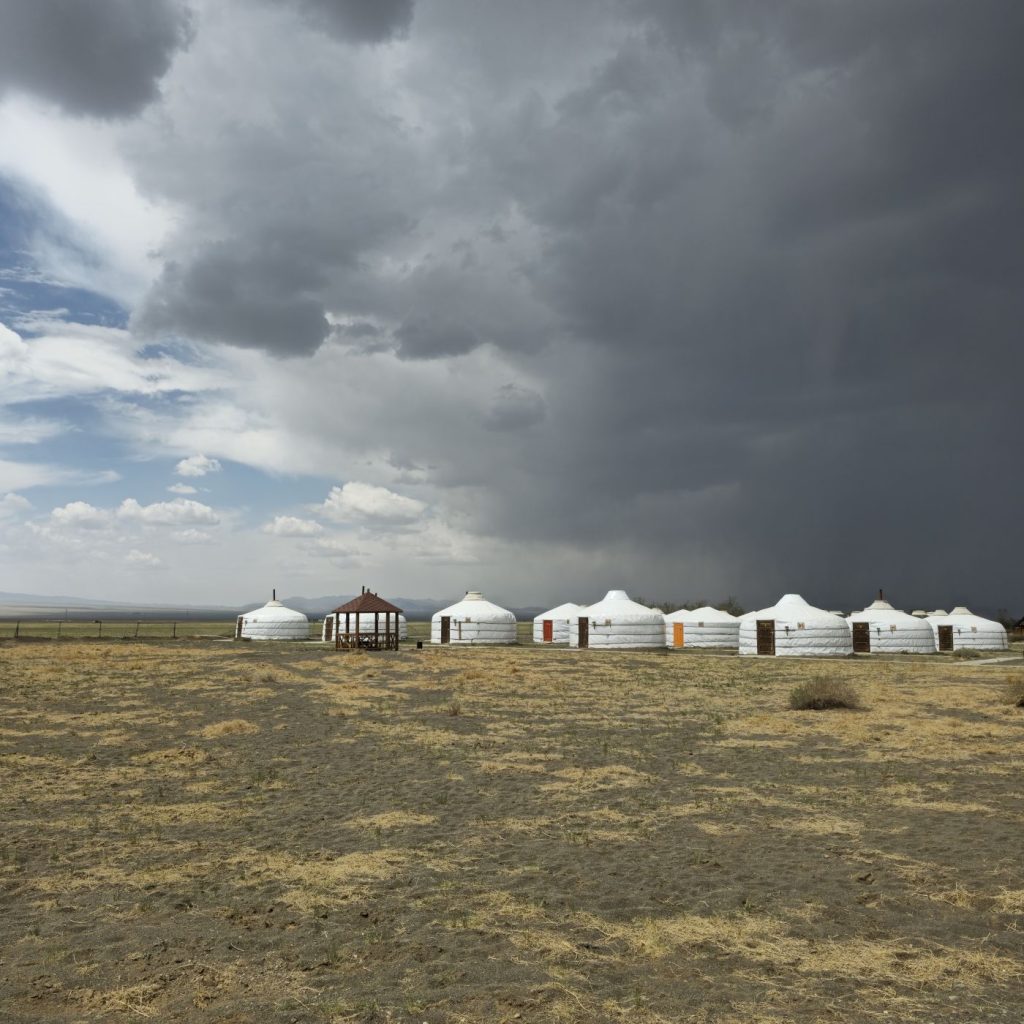
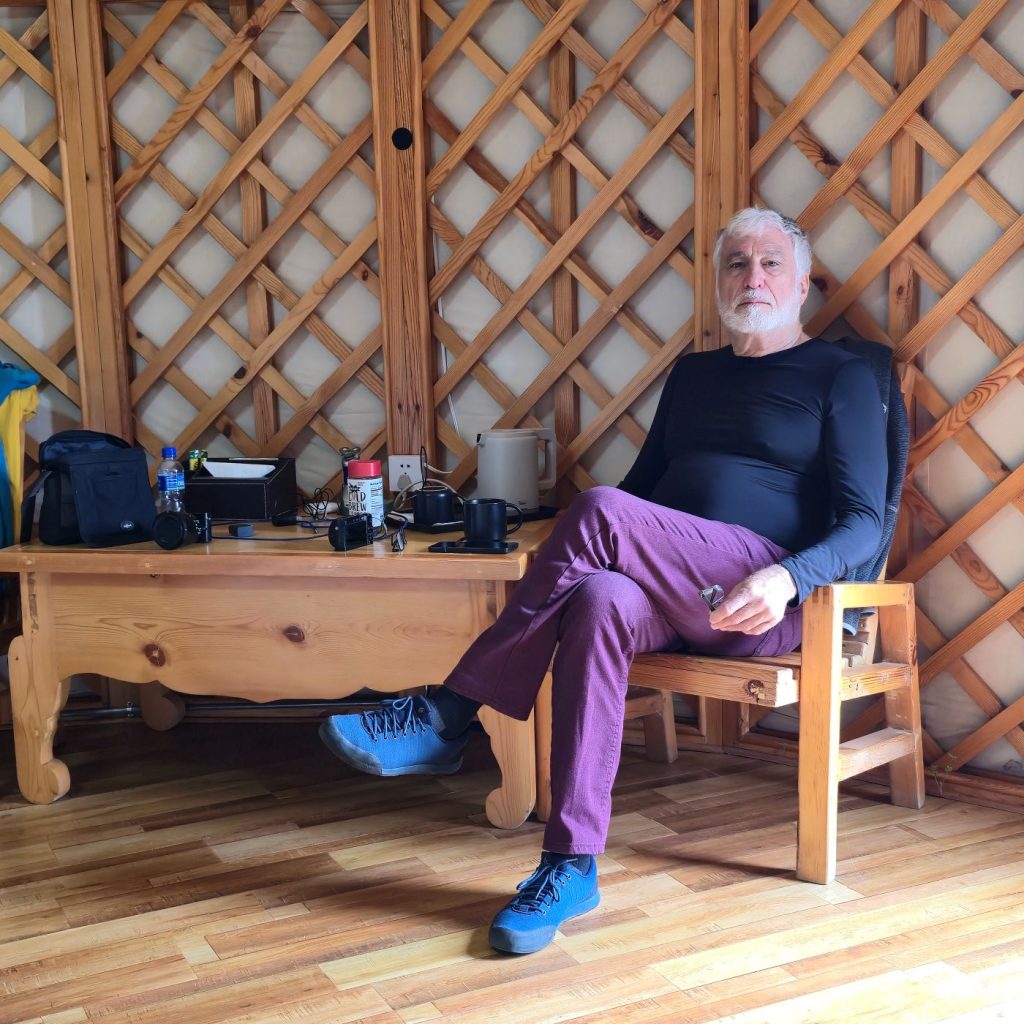
The Gers
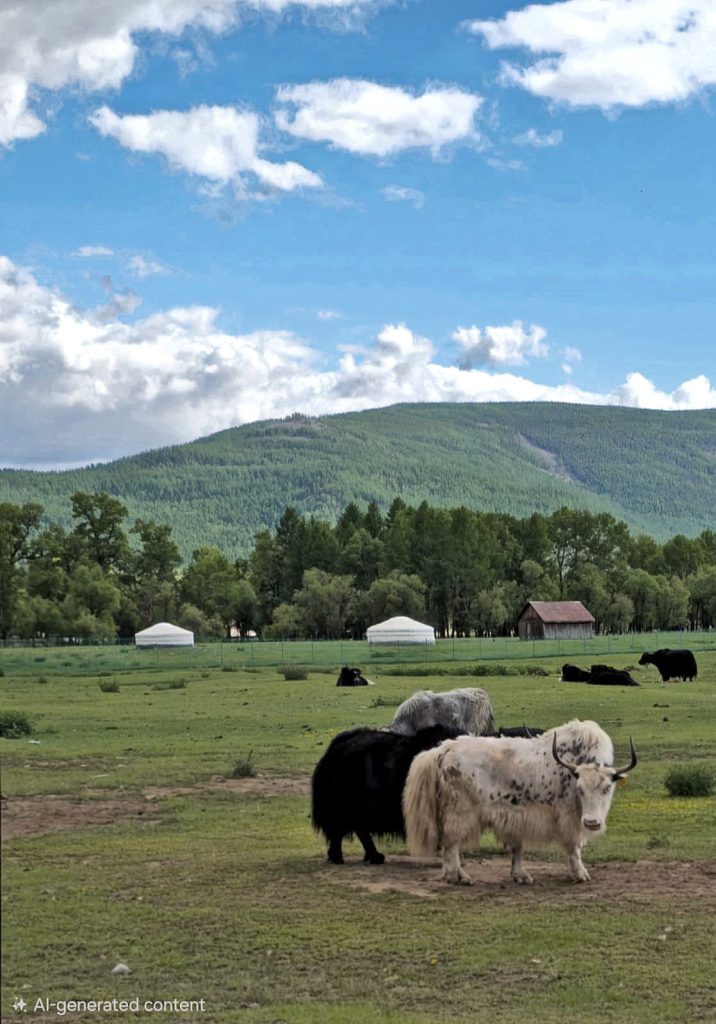
Vast open space for as far as the eye can see, spotted with round white yurts that the Mongolians call gers. Virtually all Mongolians are, or were, nomads. Even those who have moved into the city keep a ger, generally as part of their family group. Each family has vast herds of horses, goats, sheep, cattle, camels and yaks. They move to the mountains in the summer and to the steppe during the winter. Although not usually inundated with snow, it gets fiercely cold, sometimes to the point that most of the animals die. The gers, they told us, can be packed up and moved in forty minutes or less.
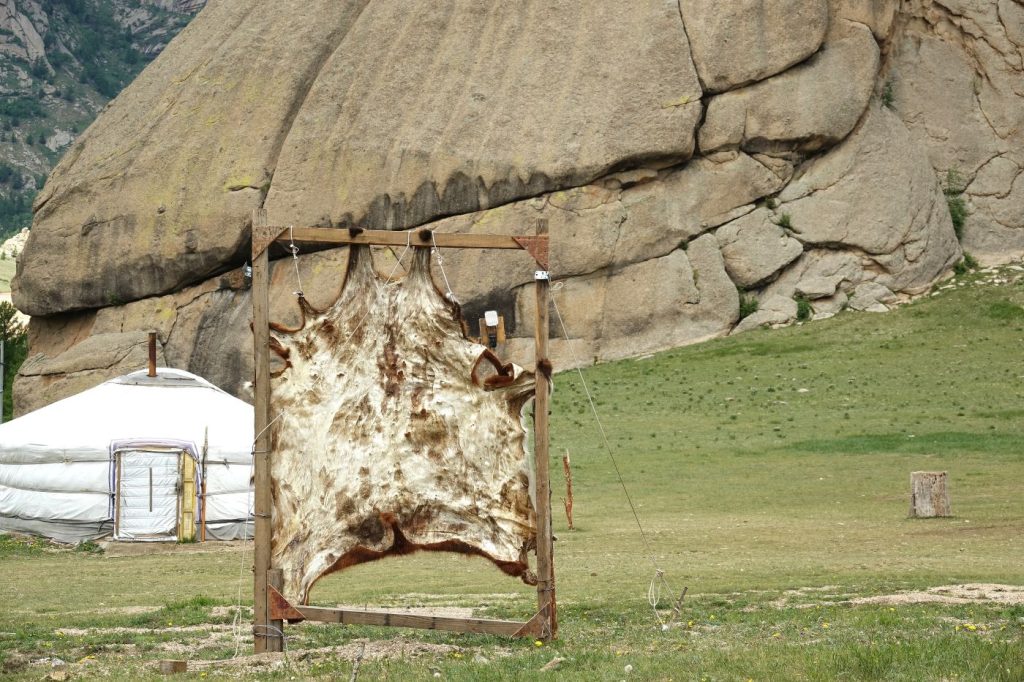
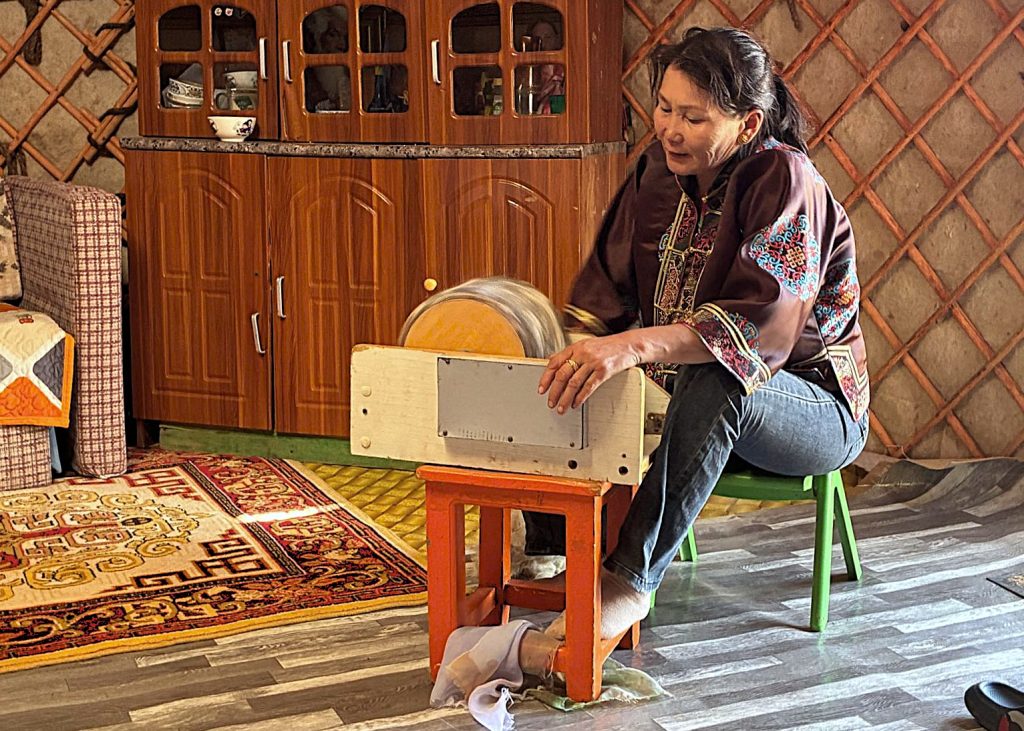
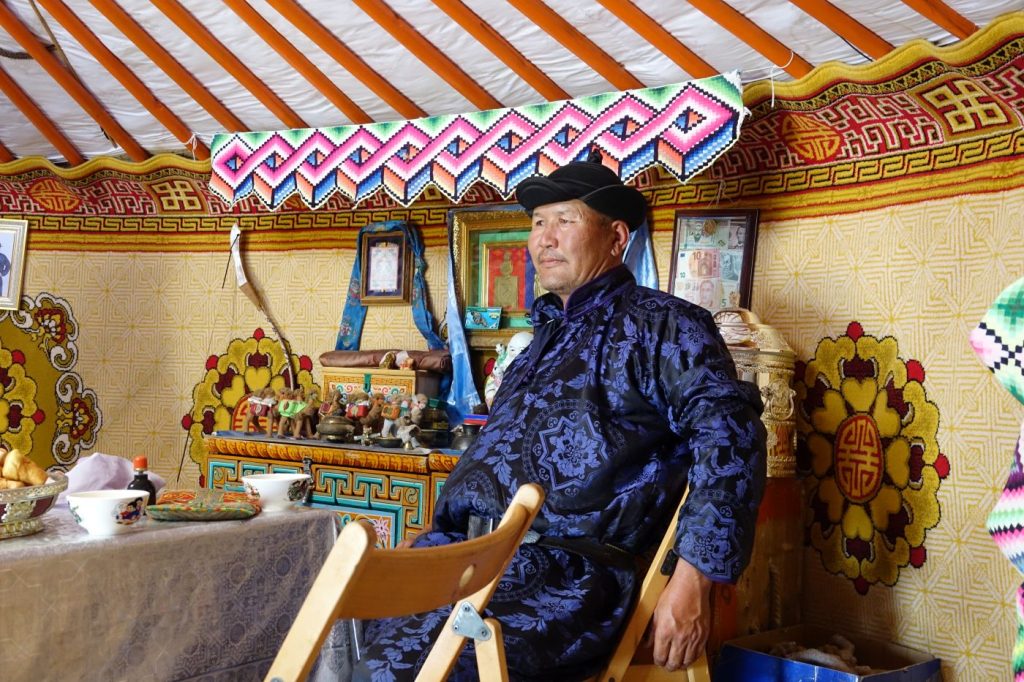
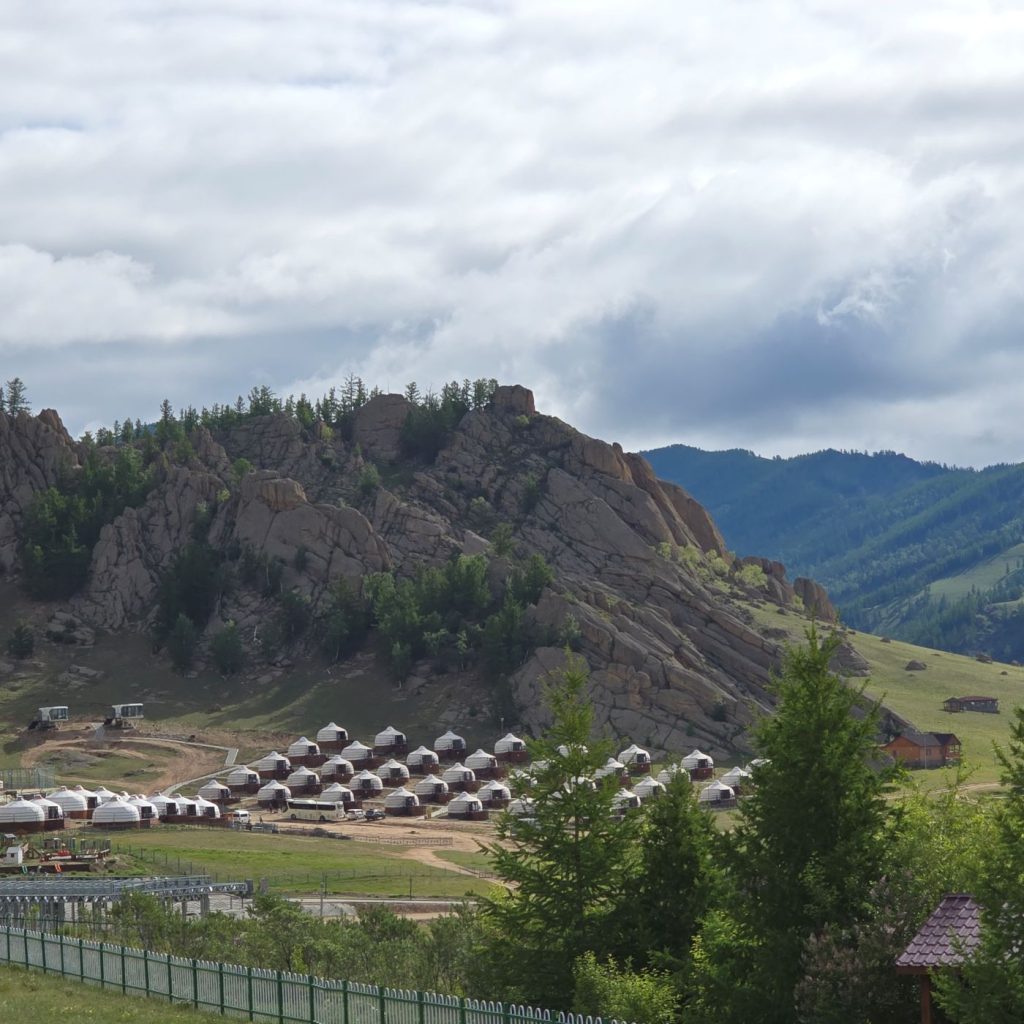
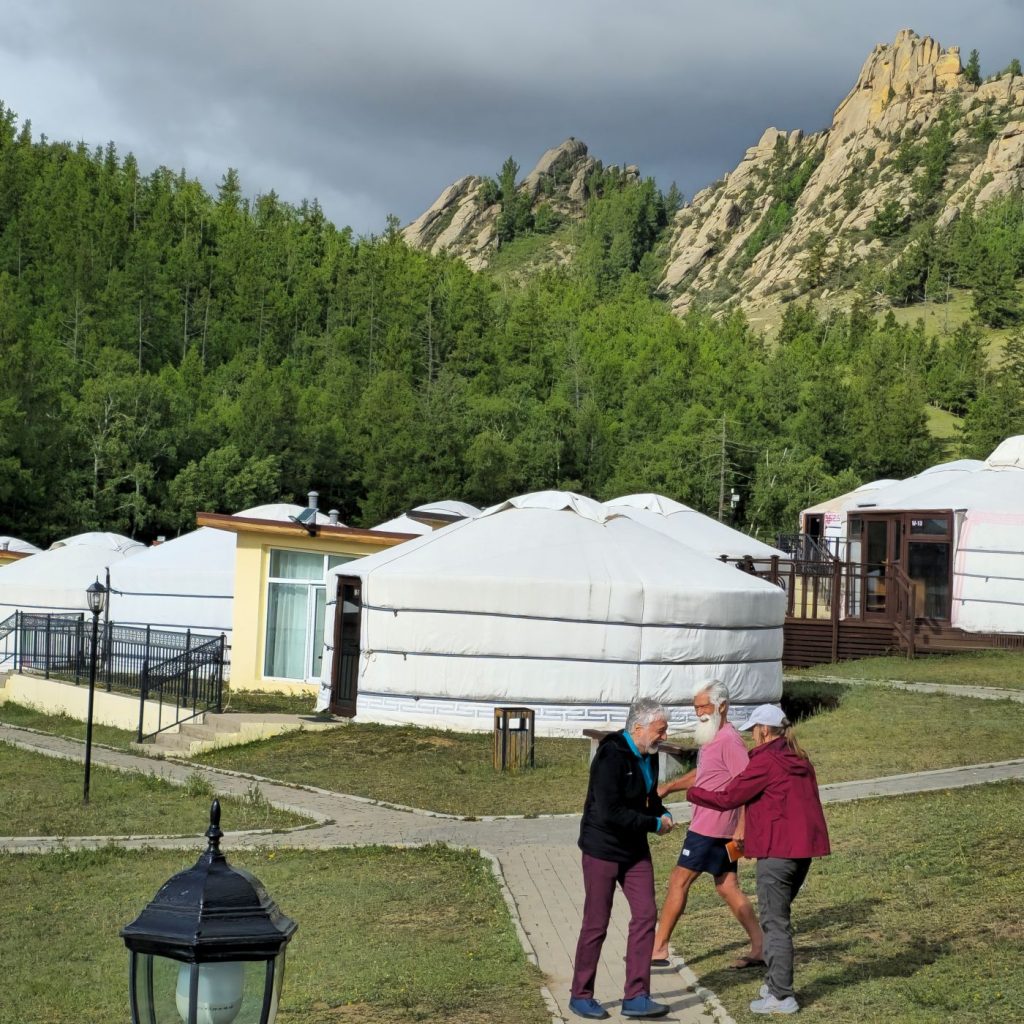
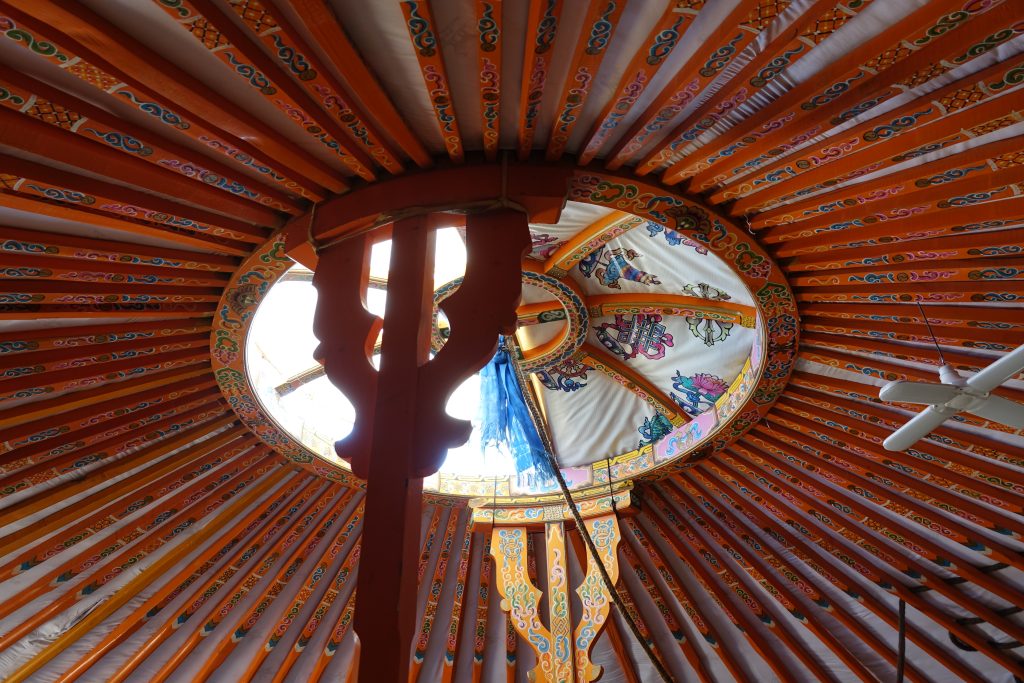
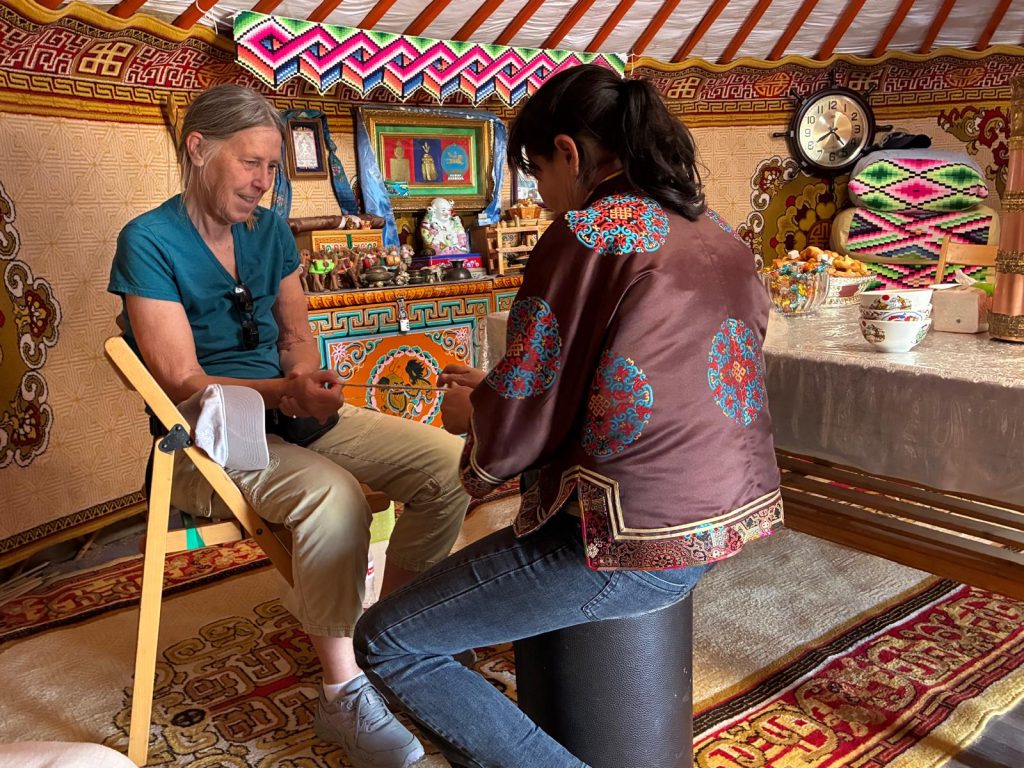
We were honored to be able to visit a nomad family and were welcomed into their ger with special treats.
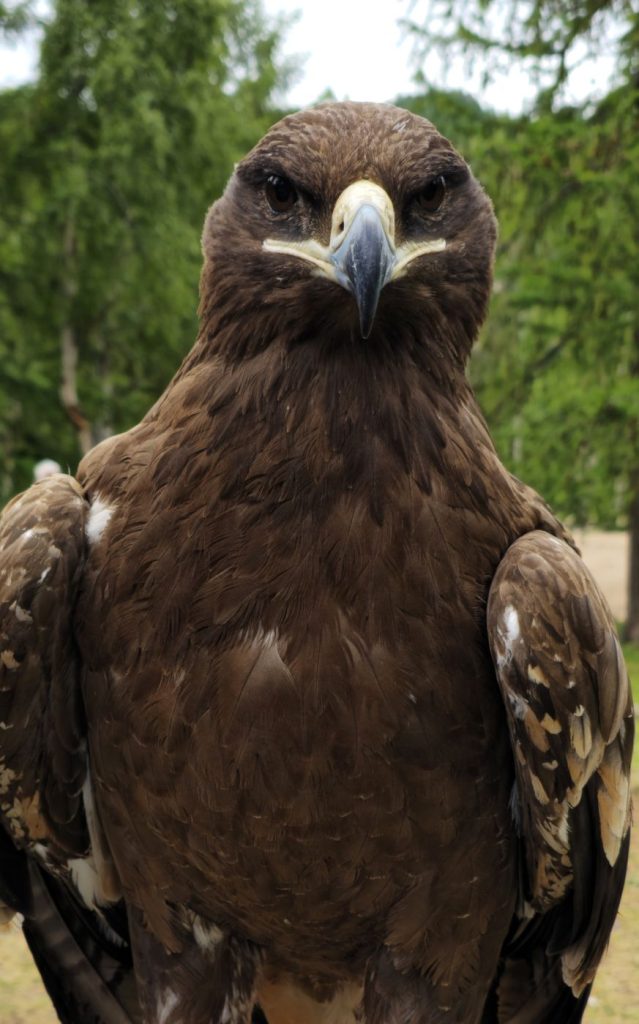
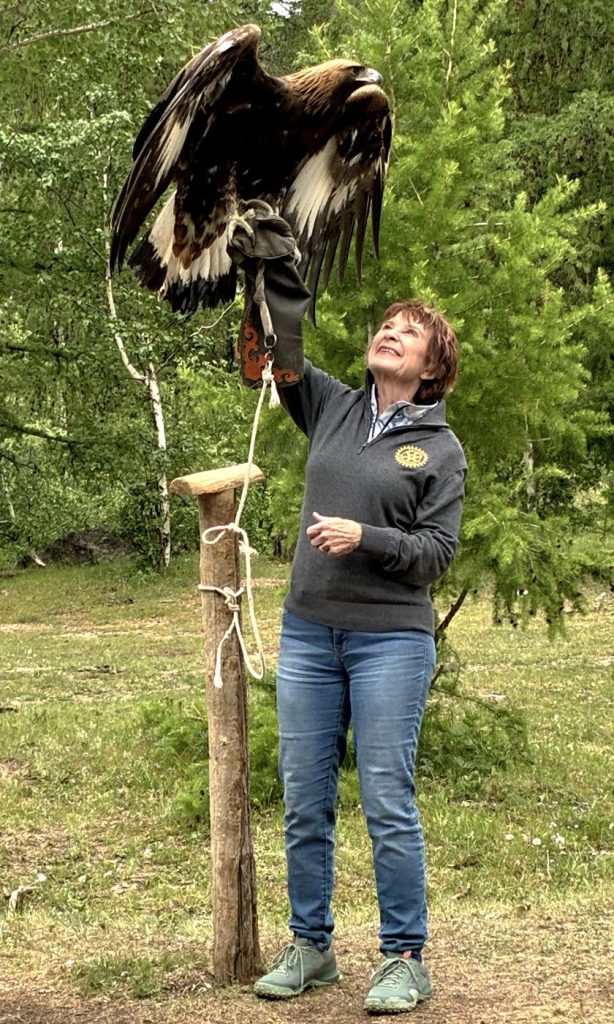
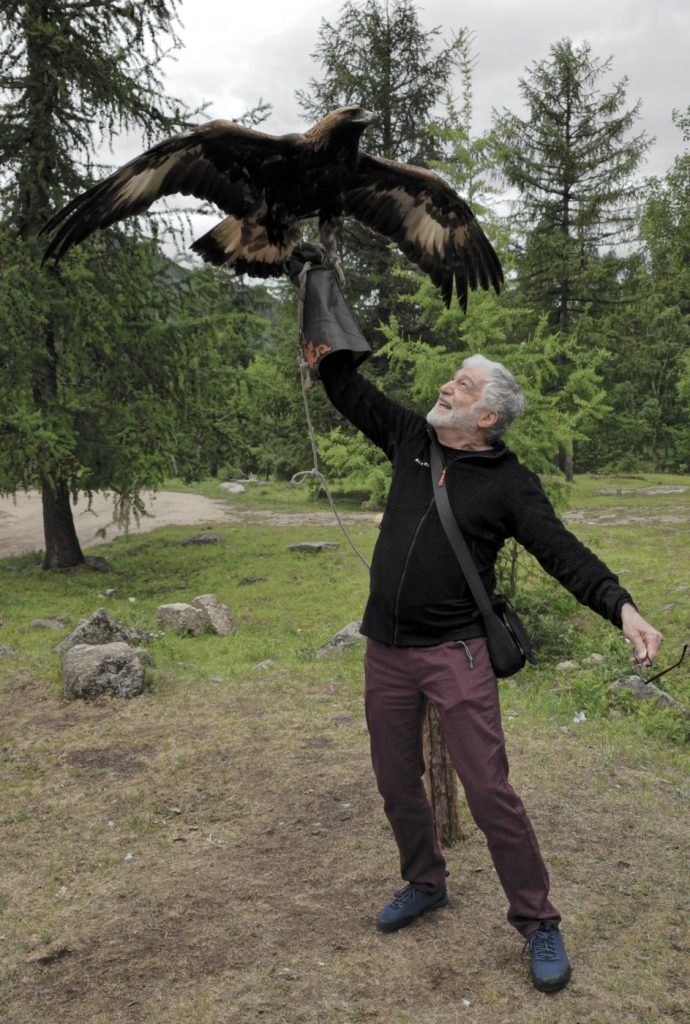
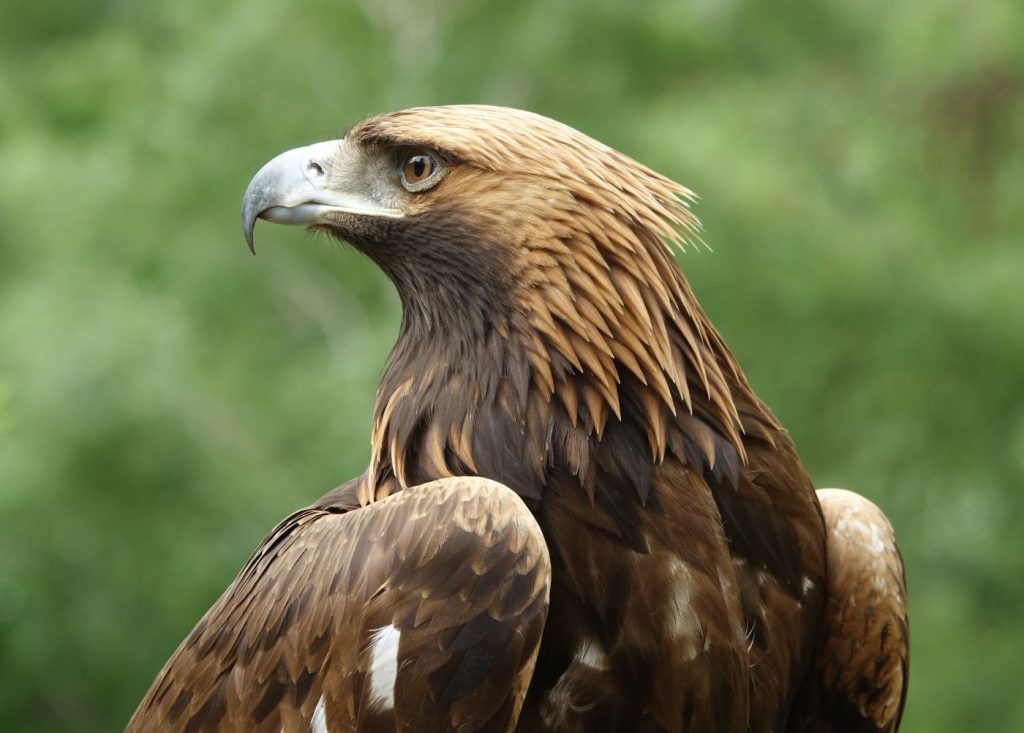
Golden Eagles
Horses
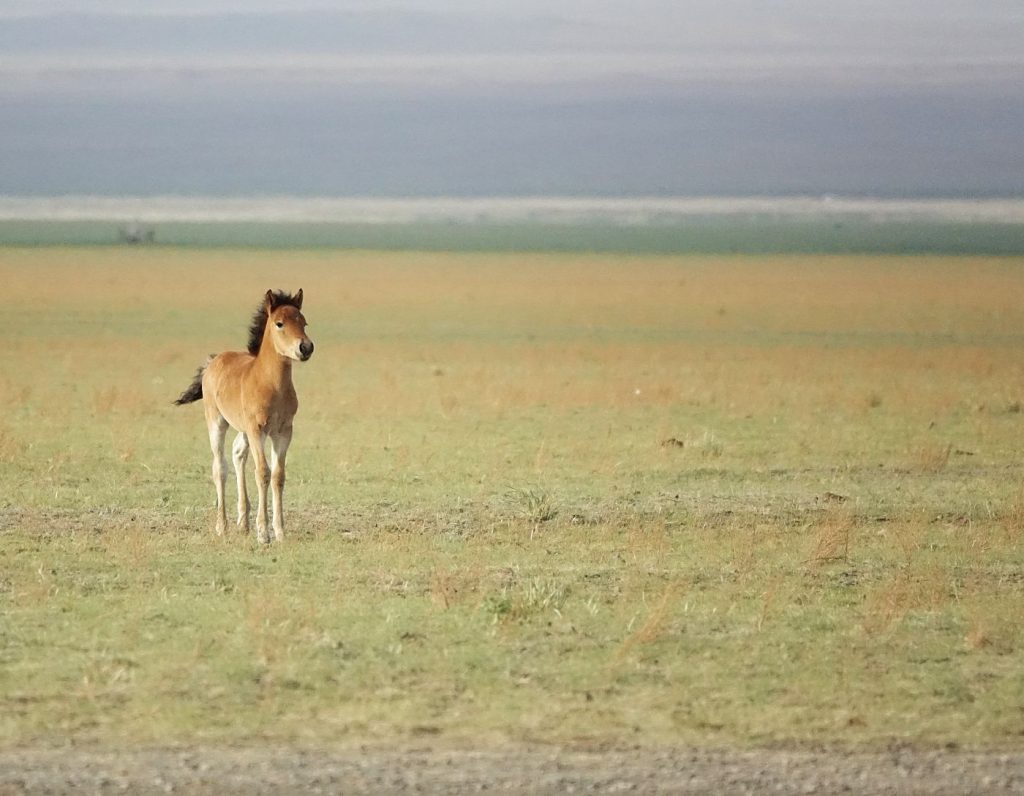
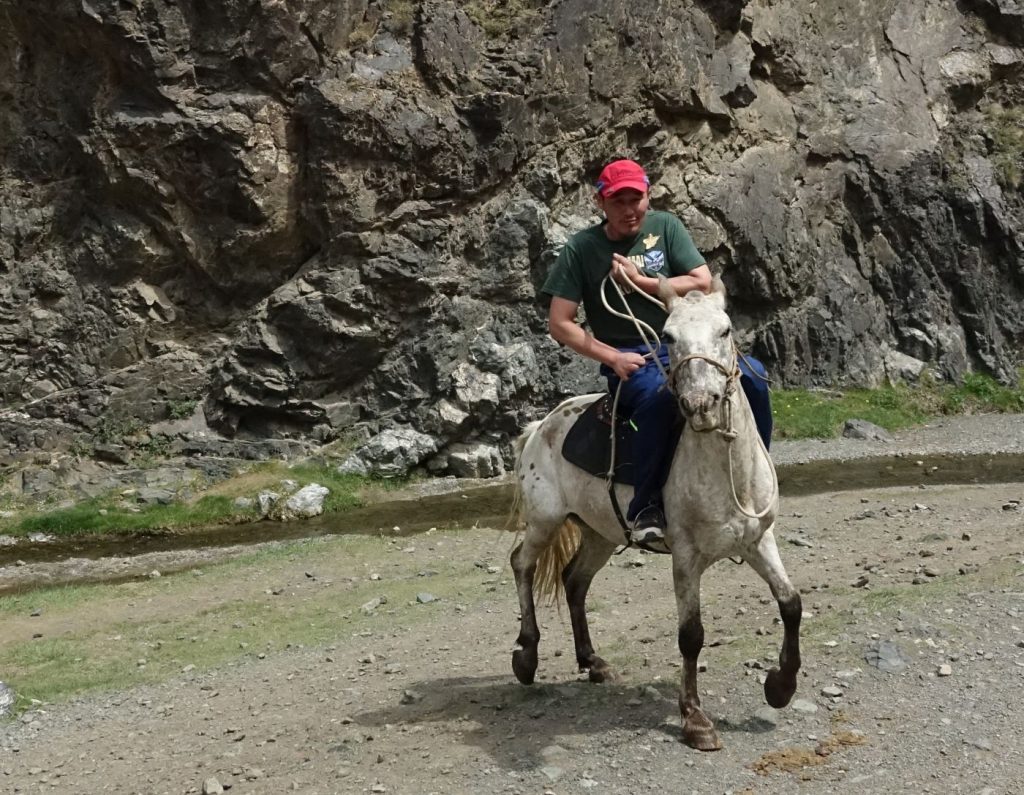
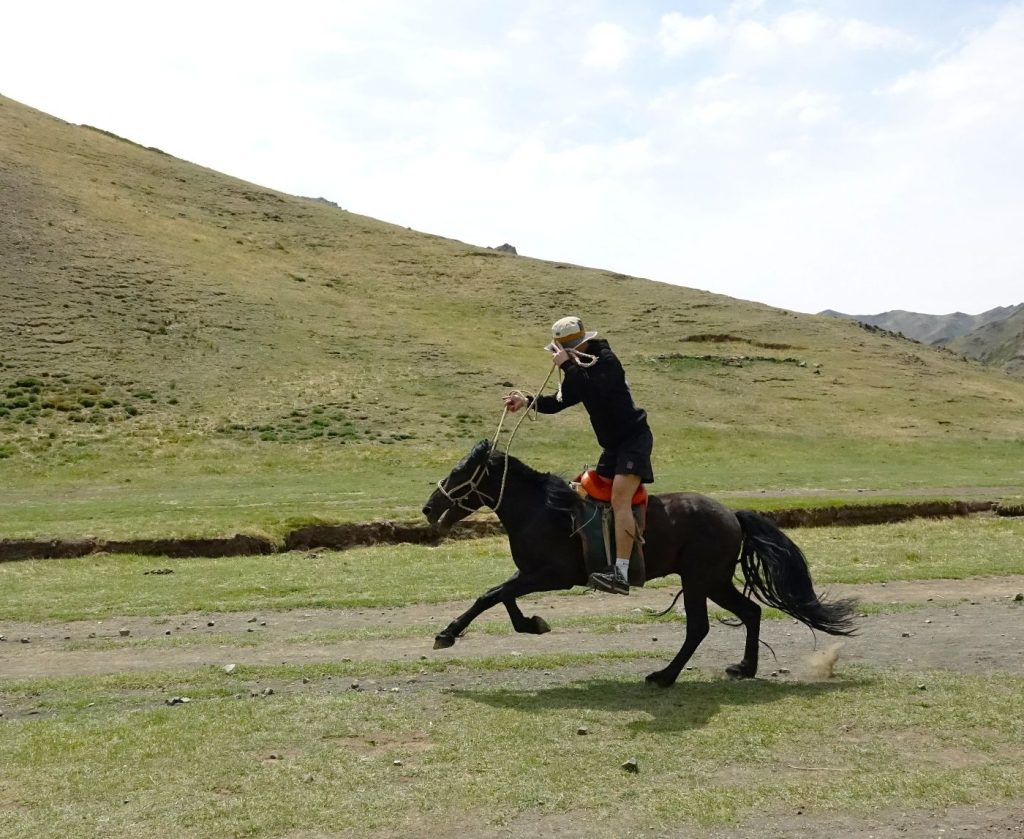
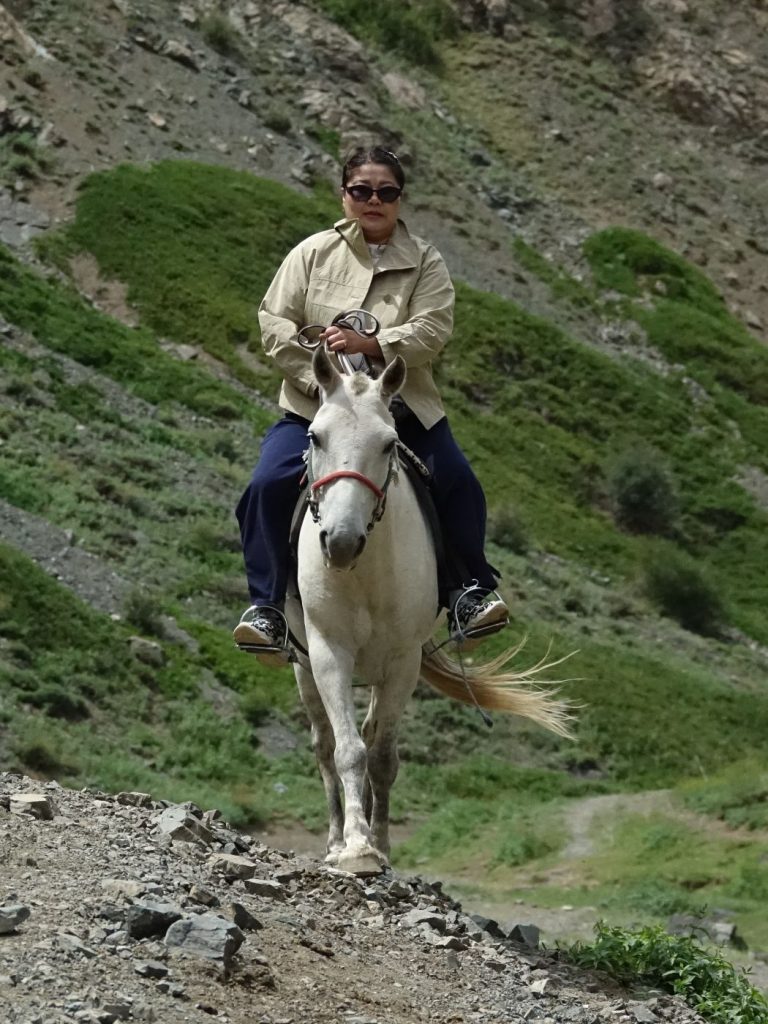
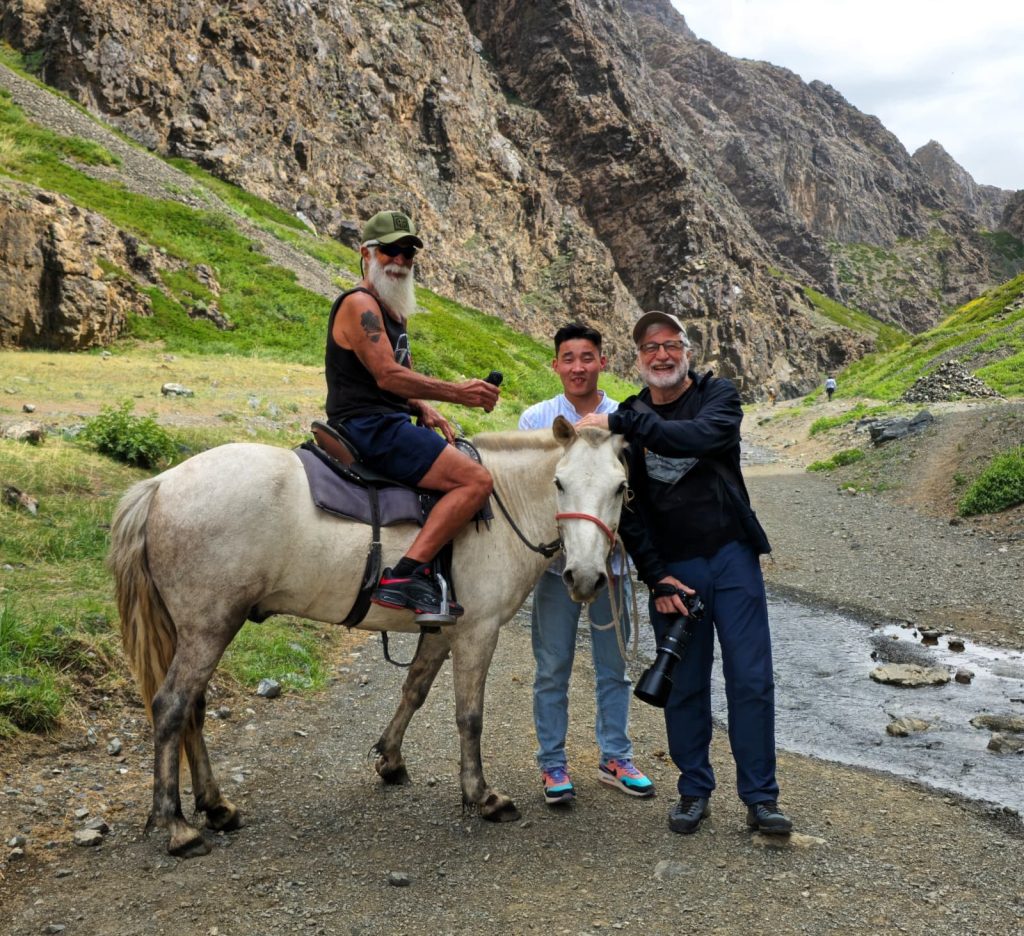
Mongolian horses are at the center of the nomadic life, with more genetic diversity than any other breed on the planet. Their images are everywhere, most notably in the world’s largest equestrian statue. They are used for riding, transportation, and occasionally lunch. Huge herds run free, surviving on their wits and instincts. When needed, they are pulled from the herds, ridden, and then released. They are tough, no nonsense animals with little interest in being your new best friend – their whole attitude is “let’s get on with it, and now.” They have two speeds: fast trot and hell bent for leather. Not for the fainthearted, but they are famously surefooted.
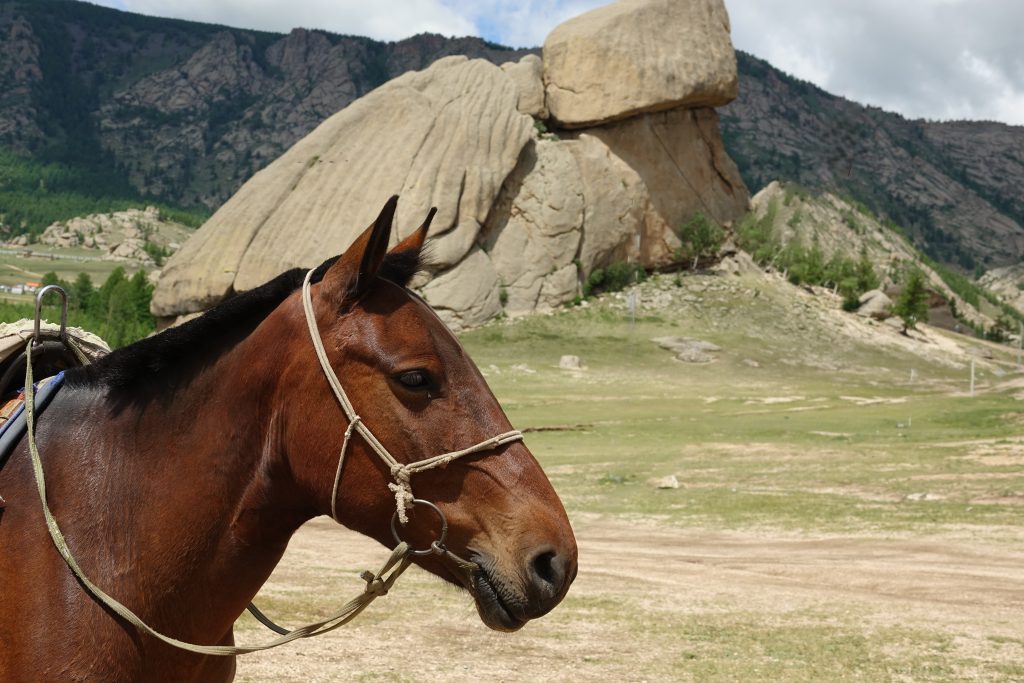
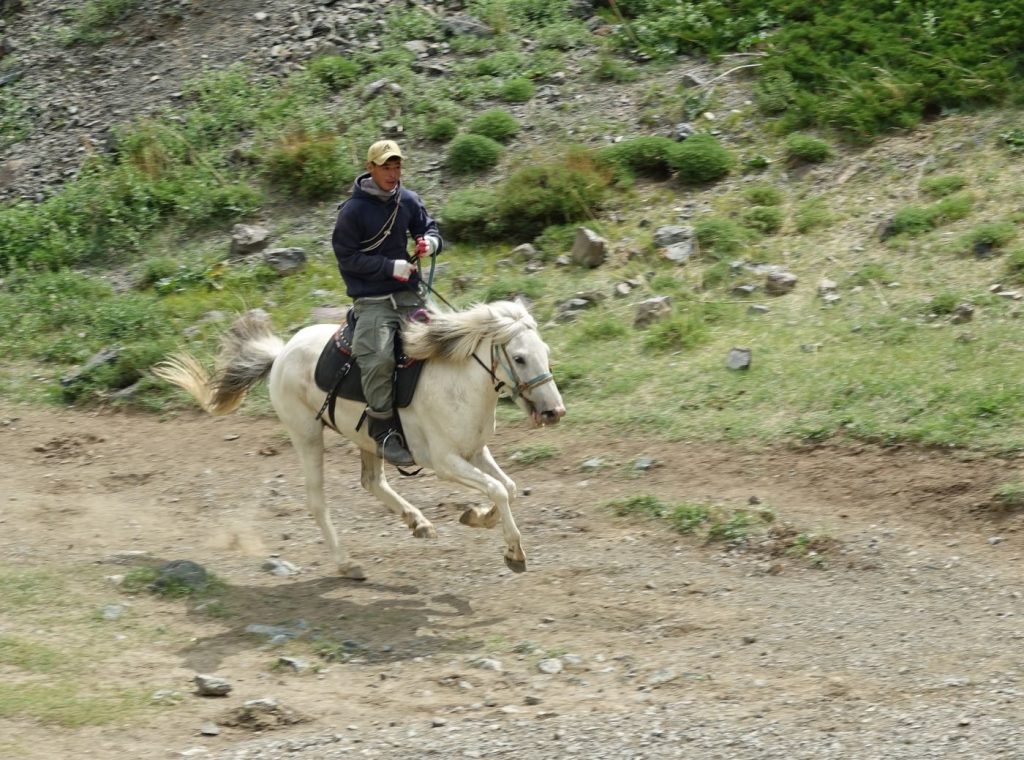
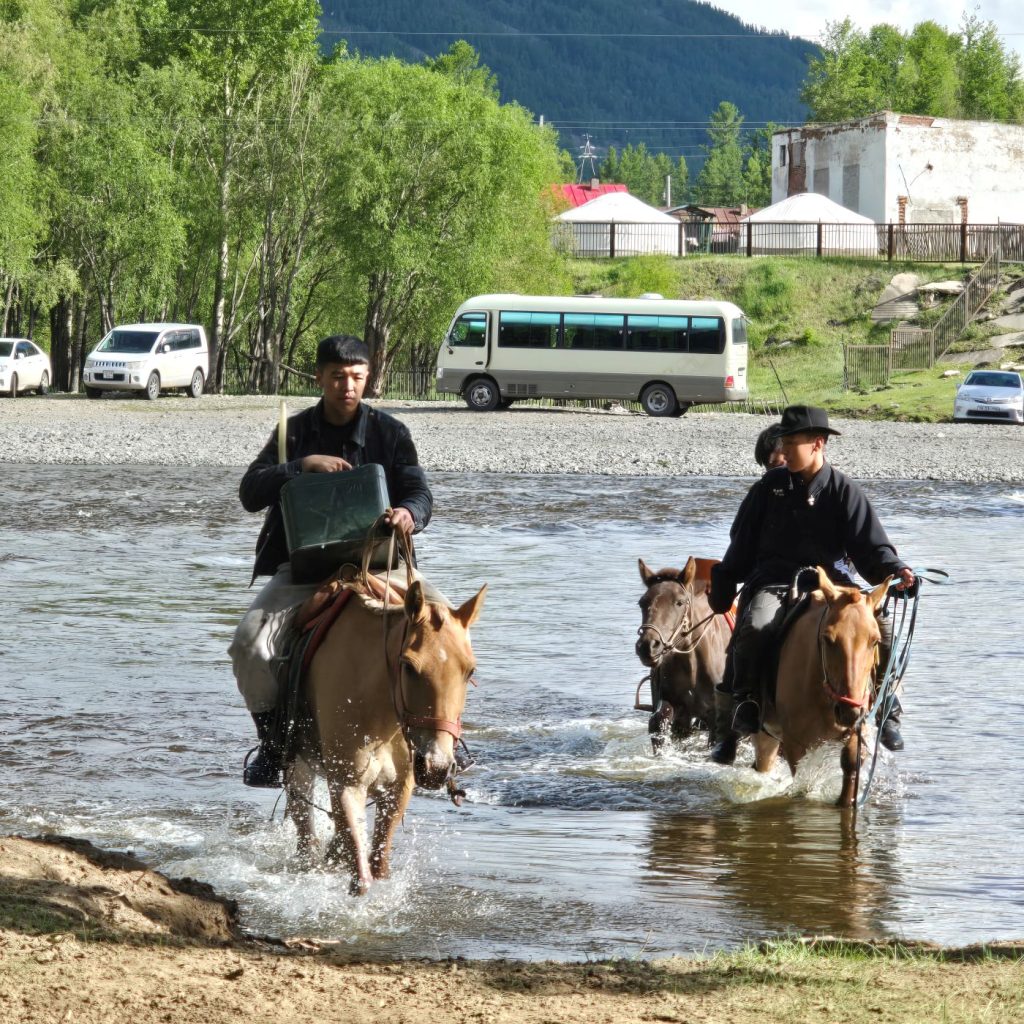
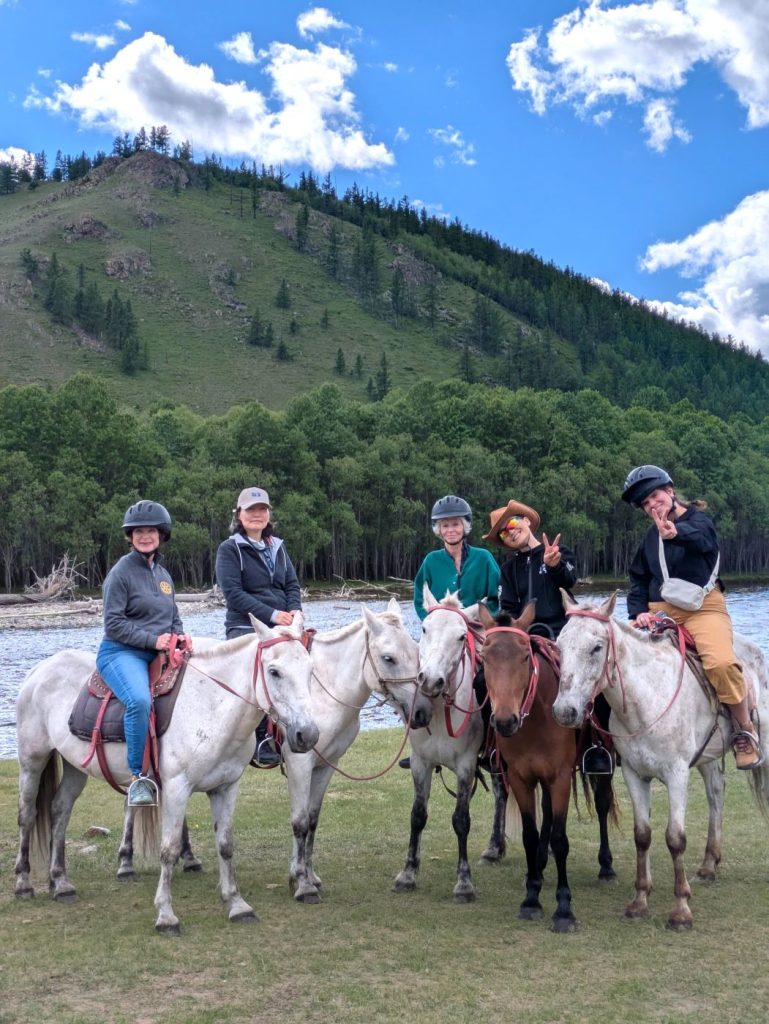
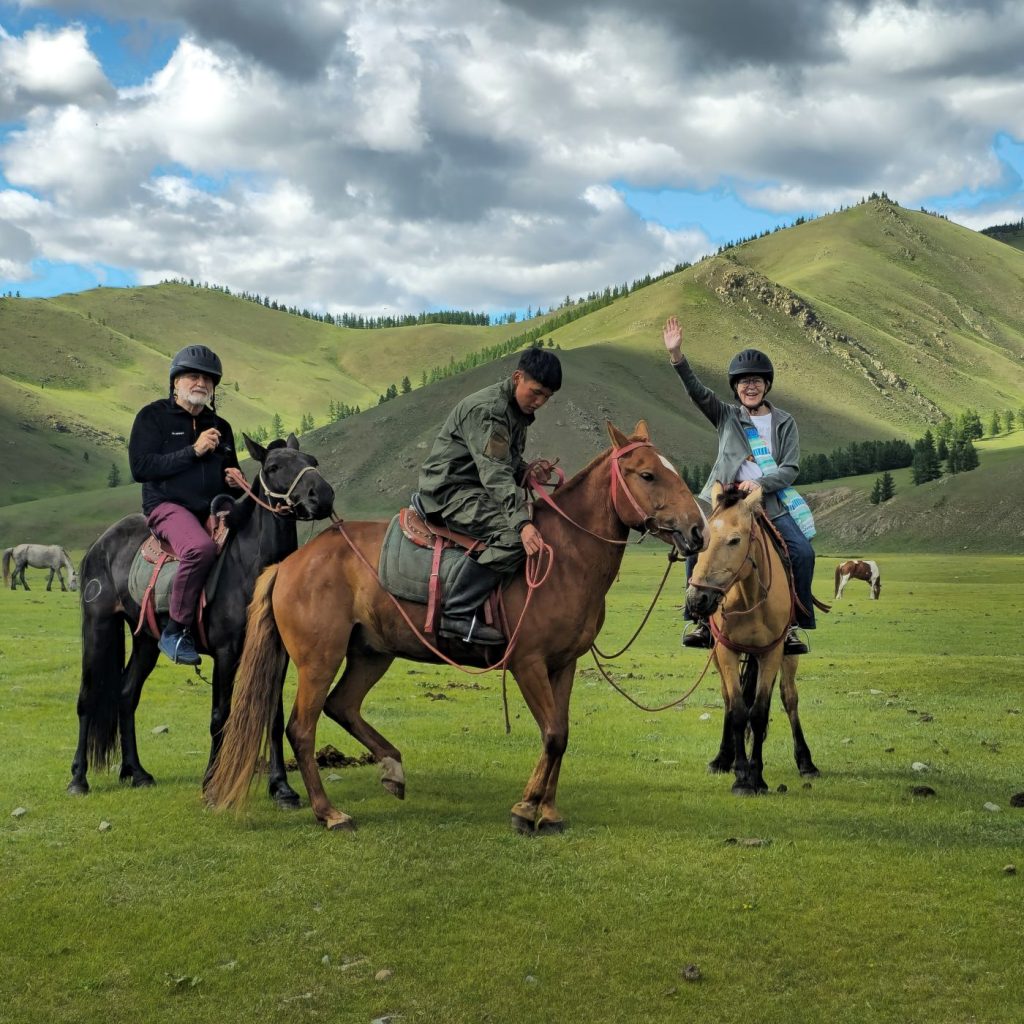
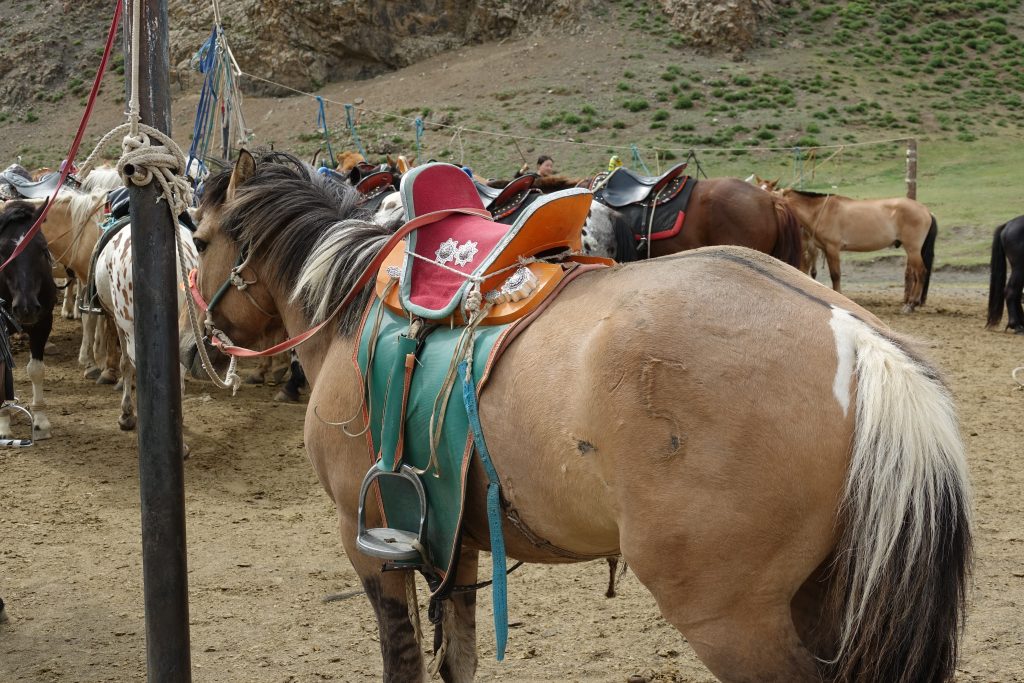
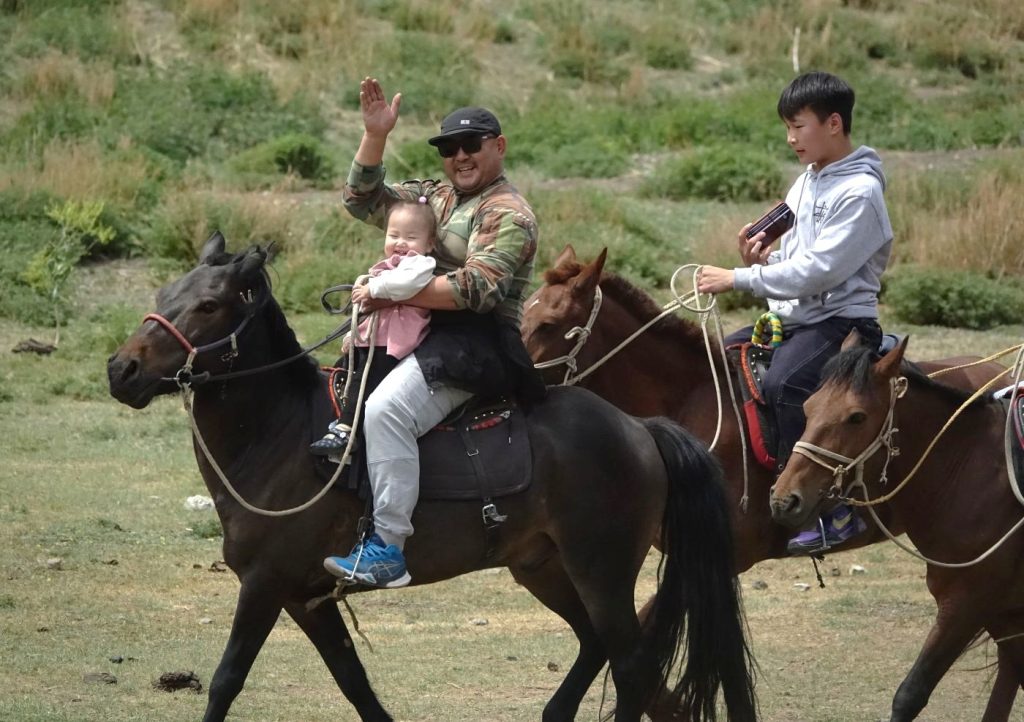
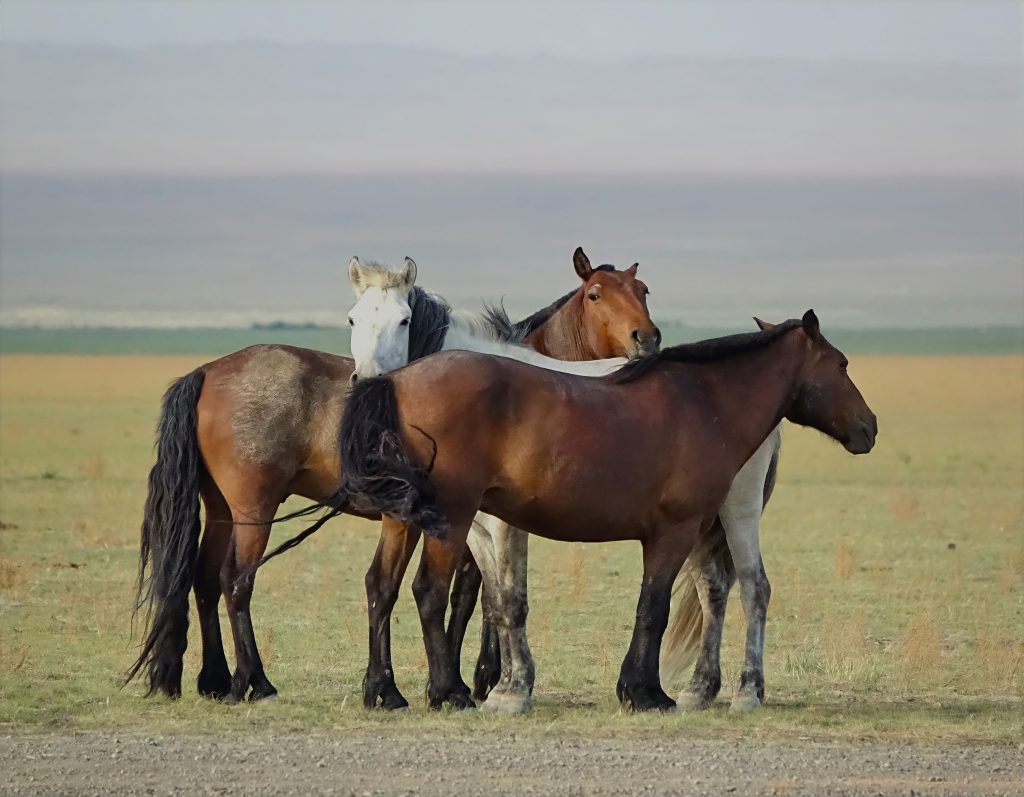
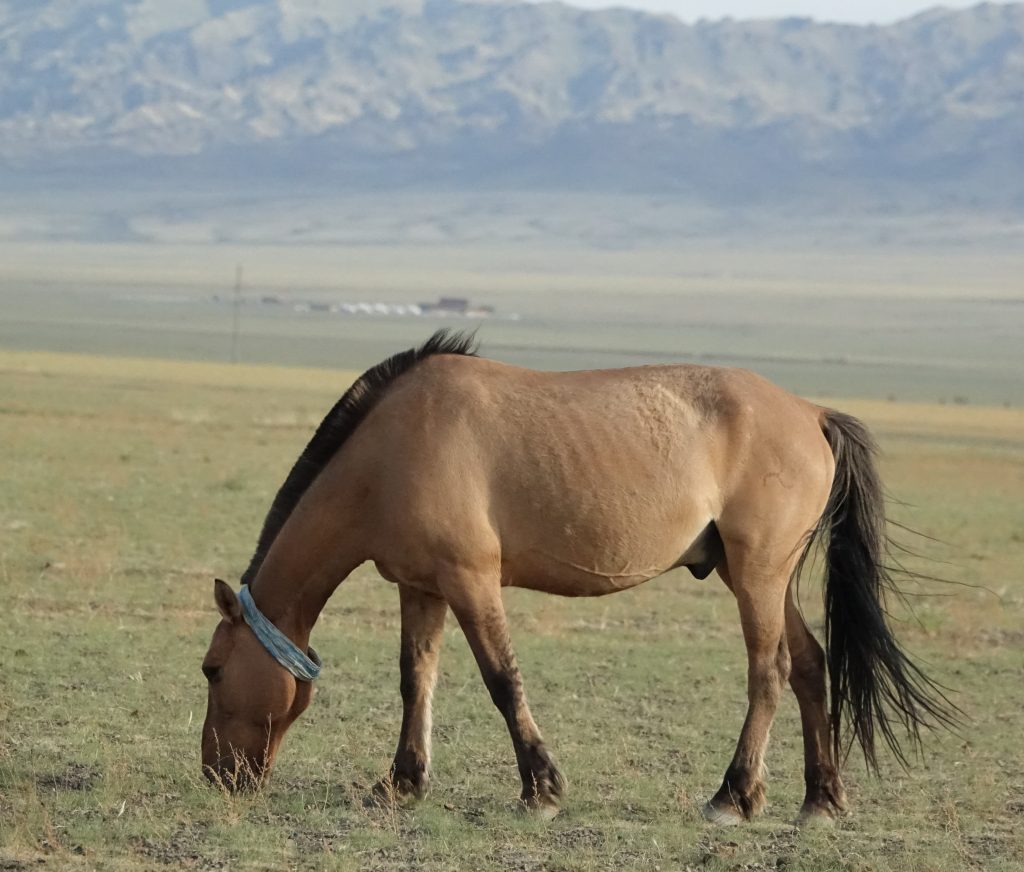
The scarf around the horse’s neck designates him as an honored animal who has excelled in some area such as winning a competition
Chingiss Khaan Monument
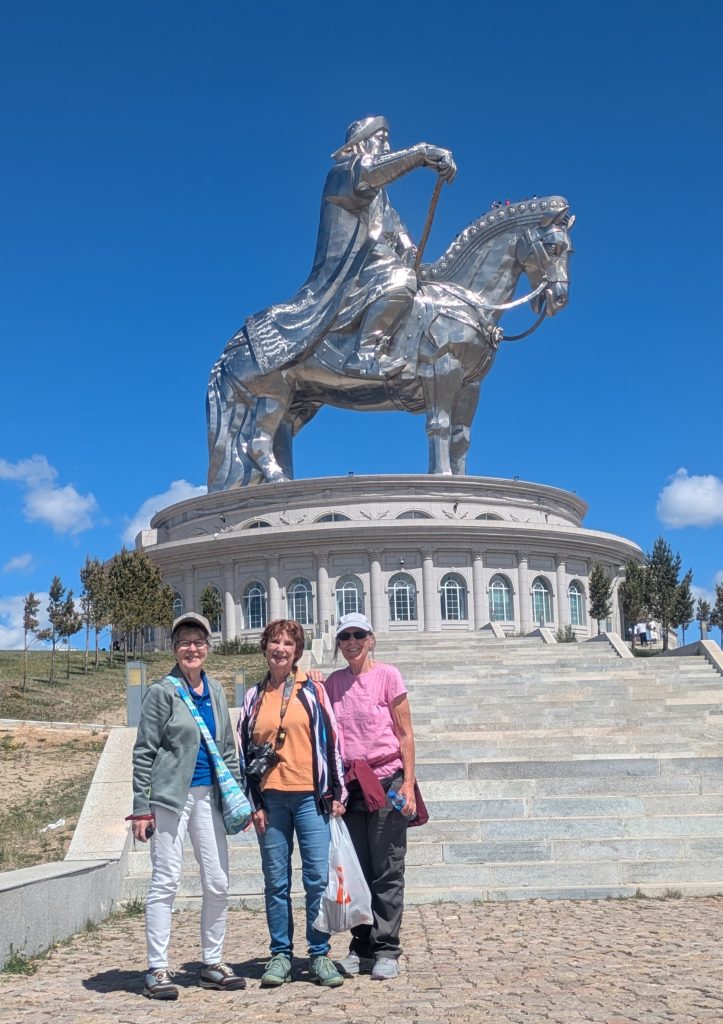
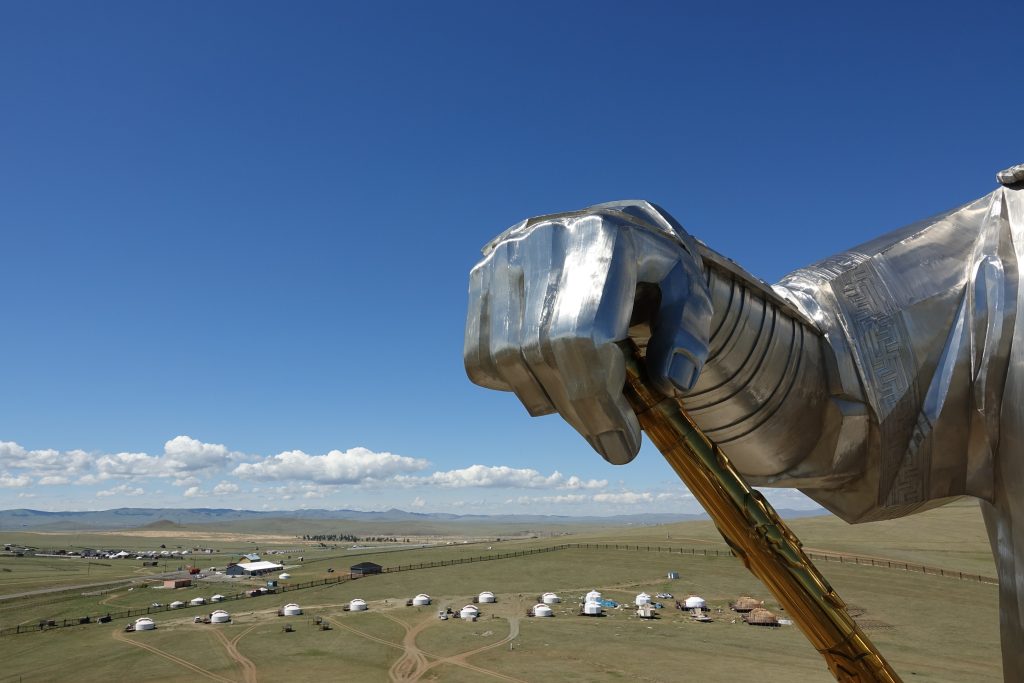
In the Tsonjin Boldog area, just east of Ulambaatar, looms the world’s largest equestrian statue, completed in 2008. You can’t miss it. Five floors beneath the statue house the Chingiss Khan Museum, a well curated collection of objects, exhibits, and gift shops.
The Gobi Desert
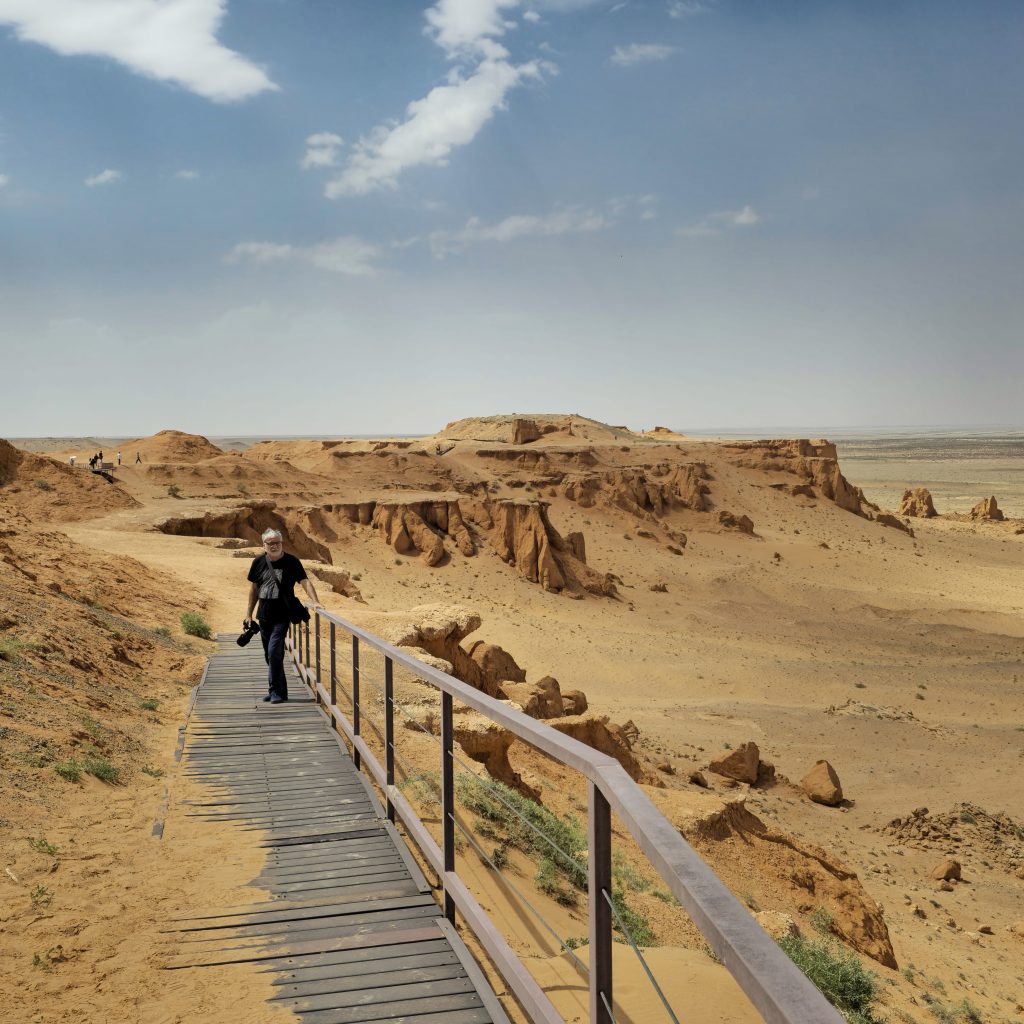
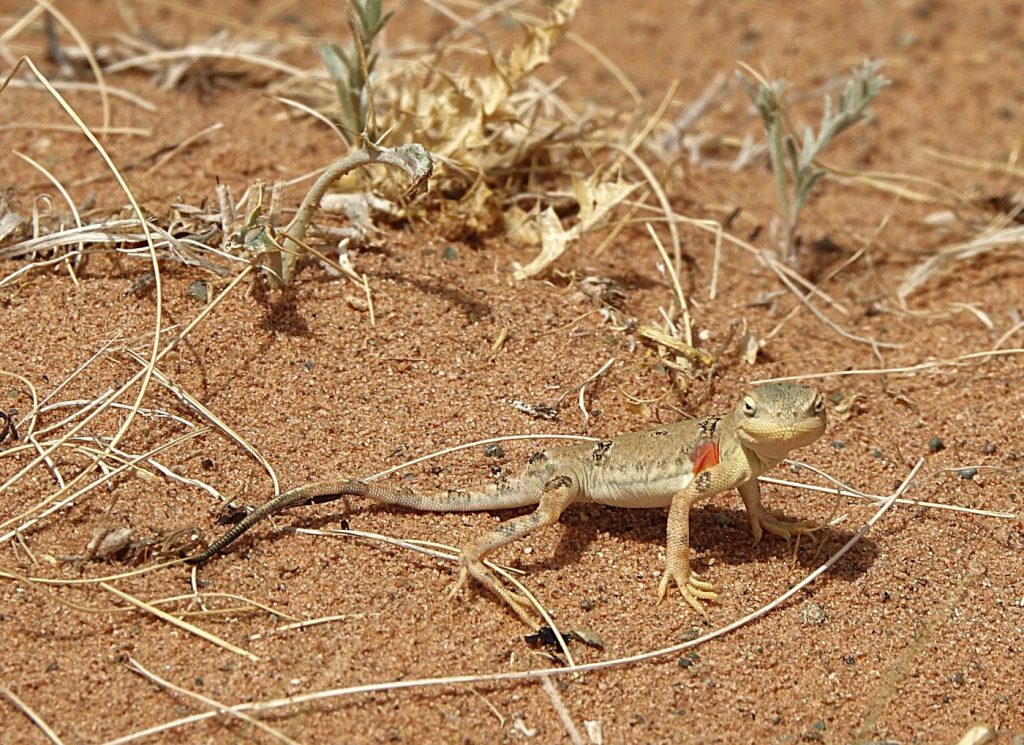
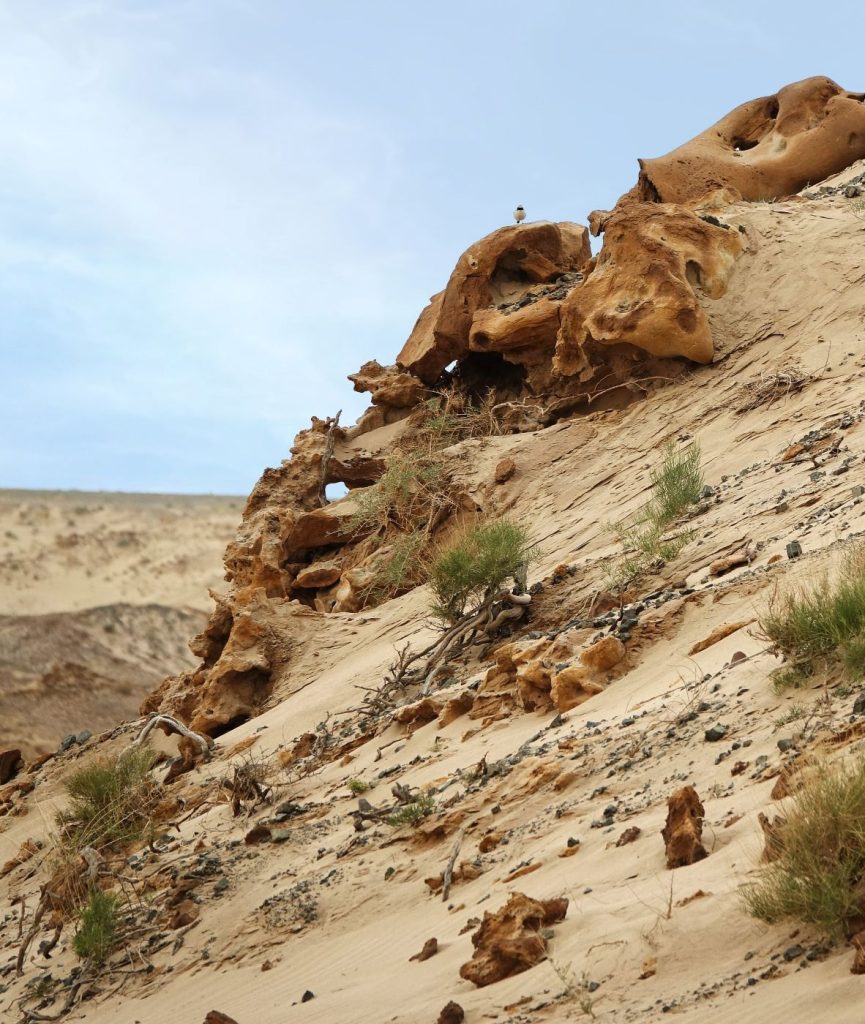
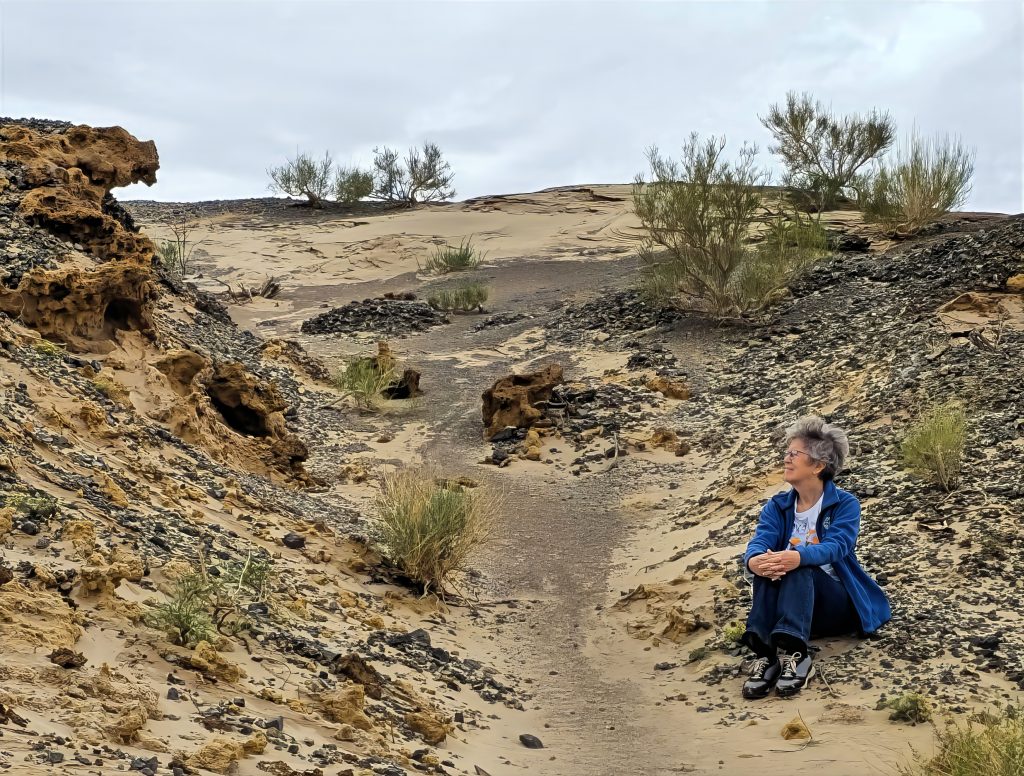
After a few days in the Terelj National Park and surrounding areas, we jetted south to Dalanzadgad (known as DZ) and the Gobi Desert. Although there were sand dunes, the terrain also included gravel plains, grassy hills, and the cliffs where the first dinosaur eggs were found. It rarely rains in the Gobi, but it rained for us. Just briefly, but enough to remind us how unpredictable the weather patterns are in Mongolia.
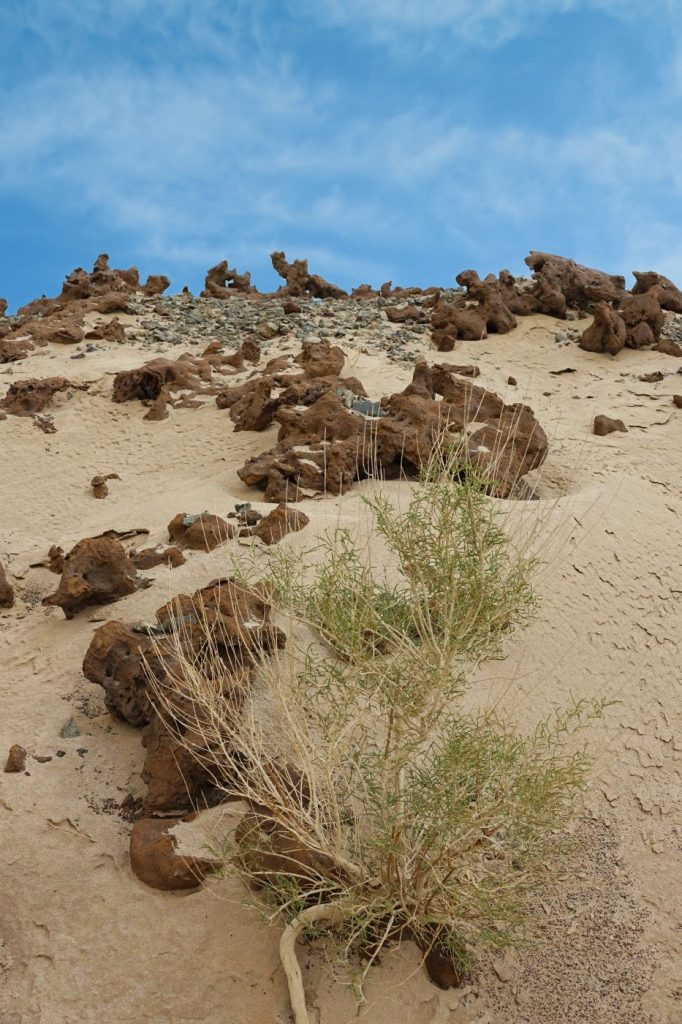
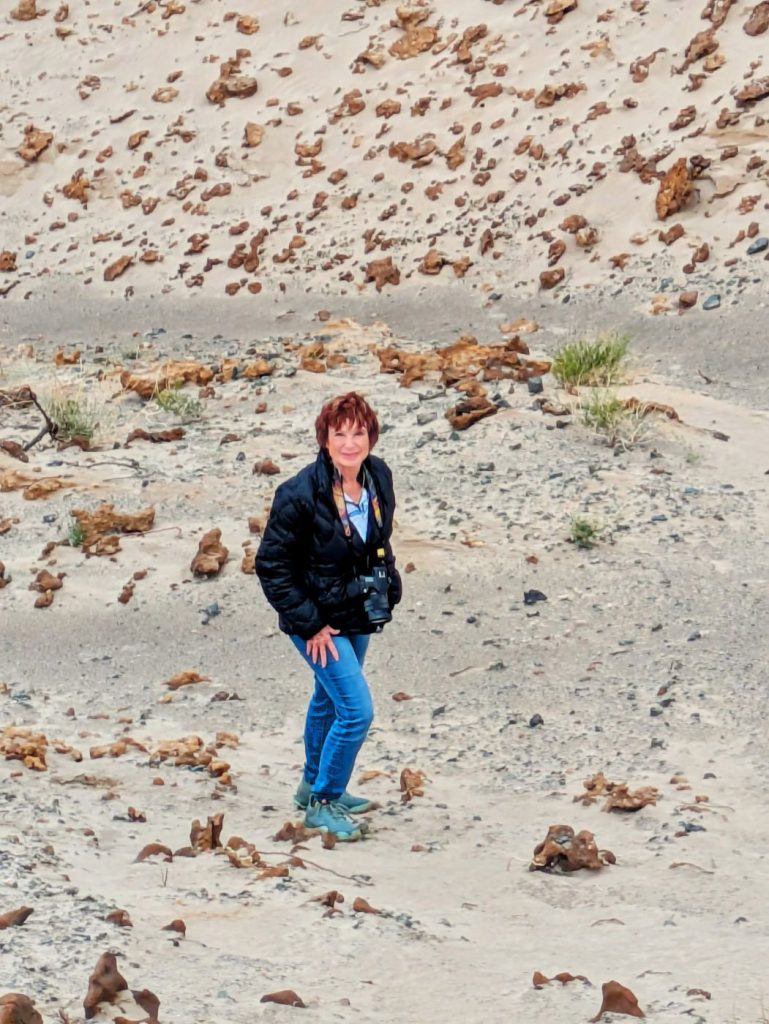
I was lost in the desert for fifteen minutes. Fifteen looong minutes.
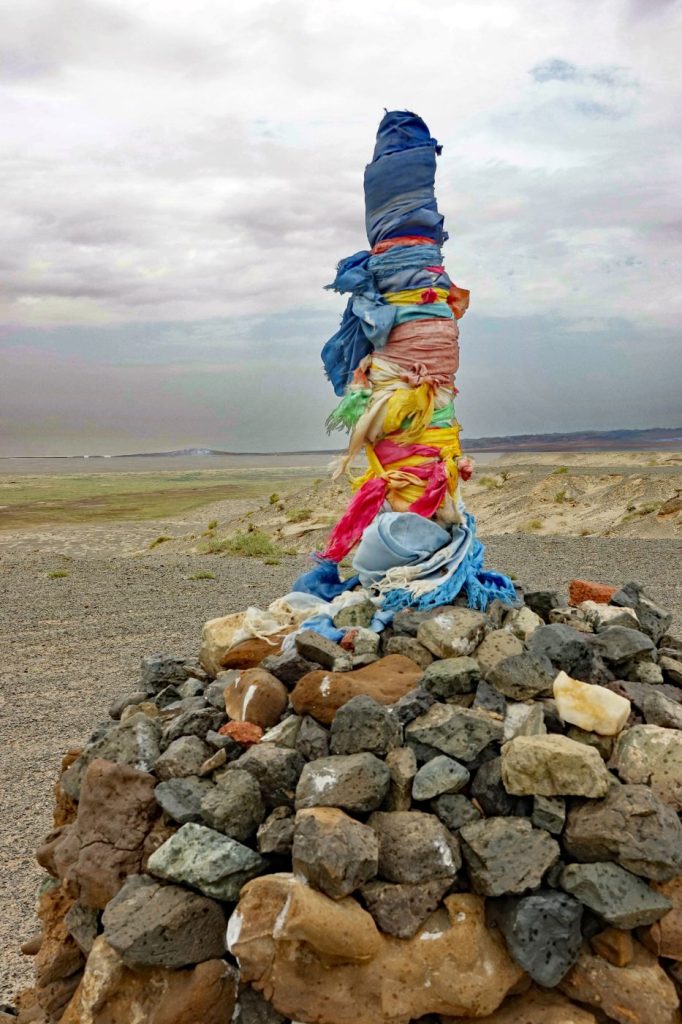
Each stone in the tower represents a deceased military member.
Bactrian Camels
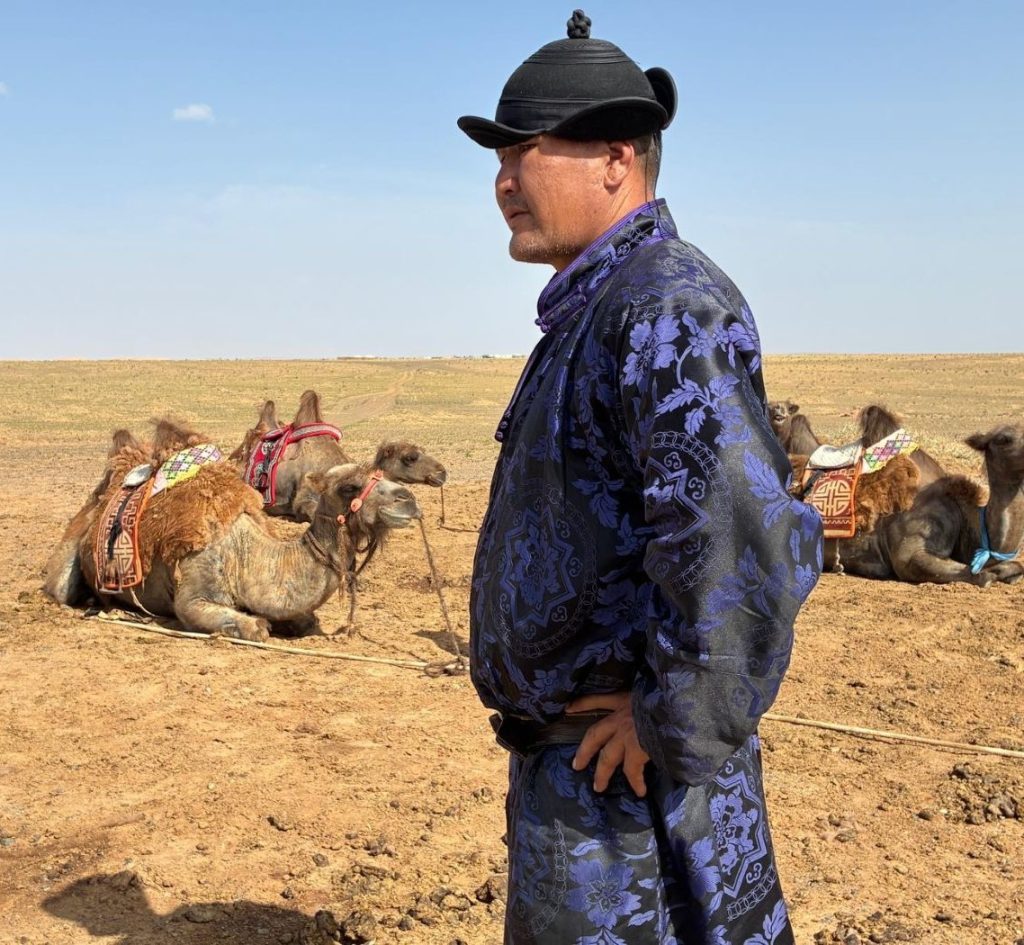
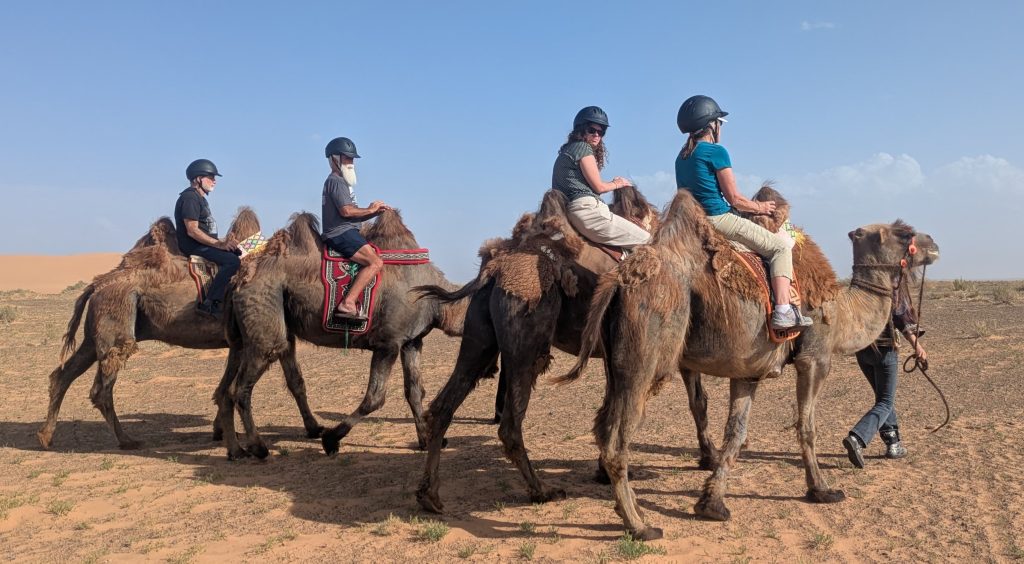
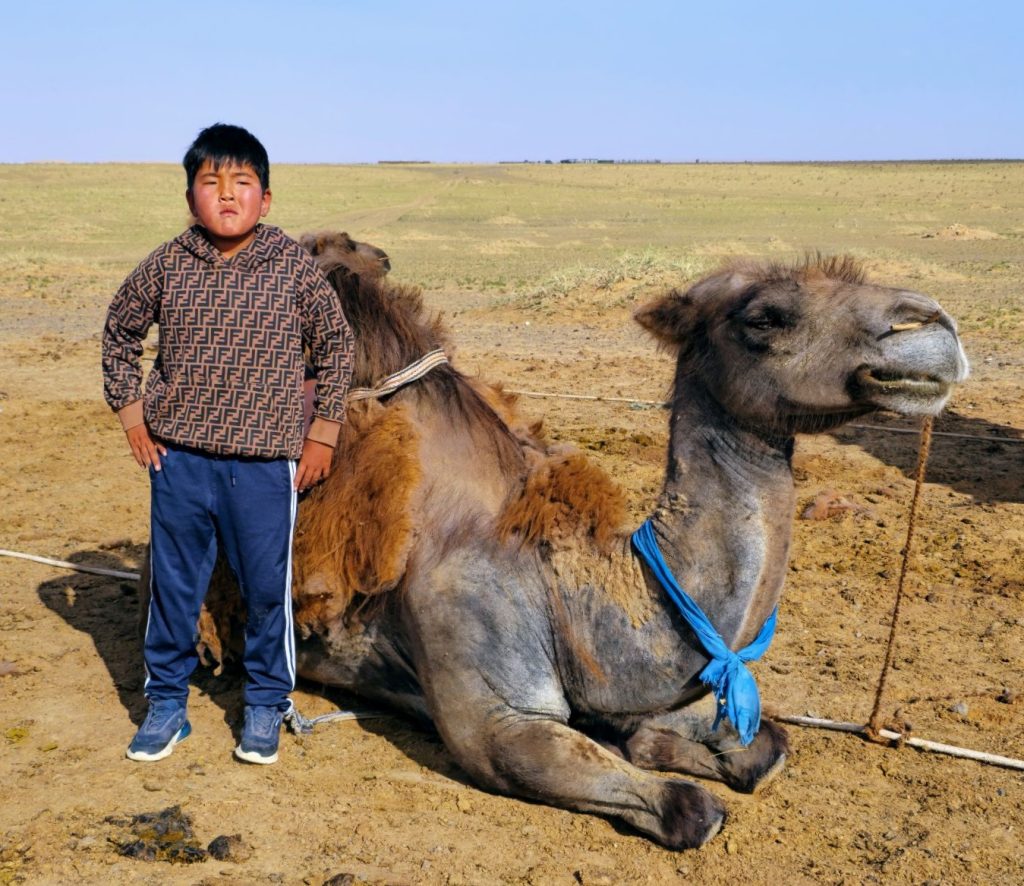
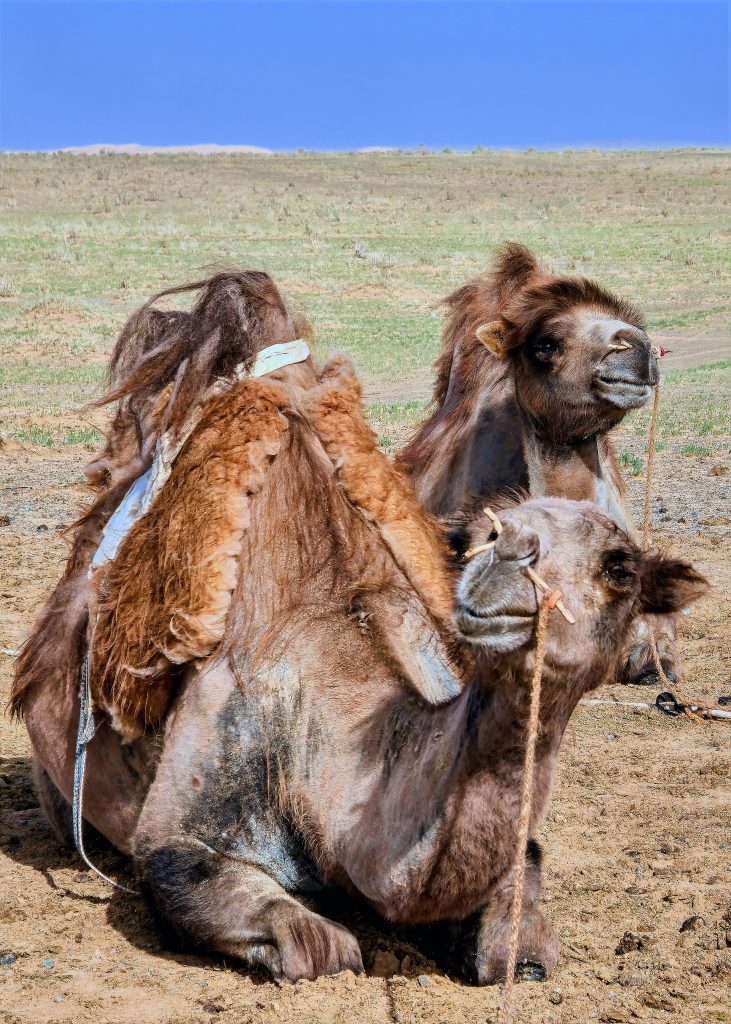
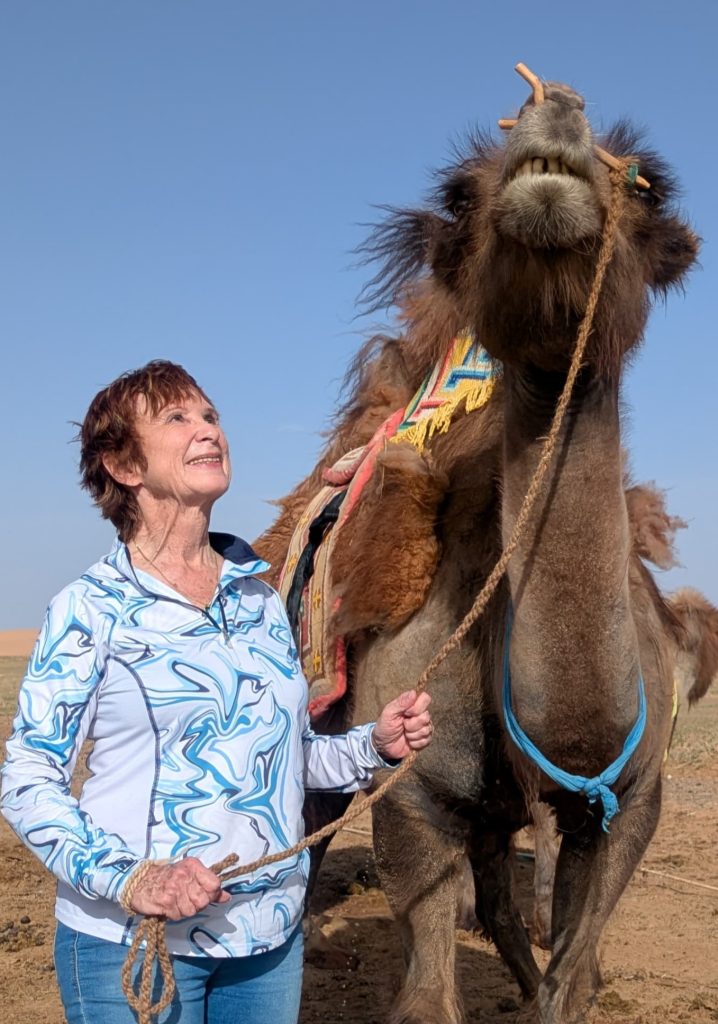
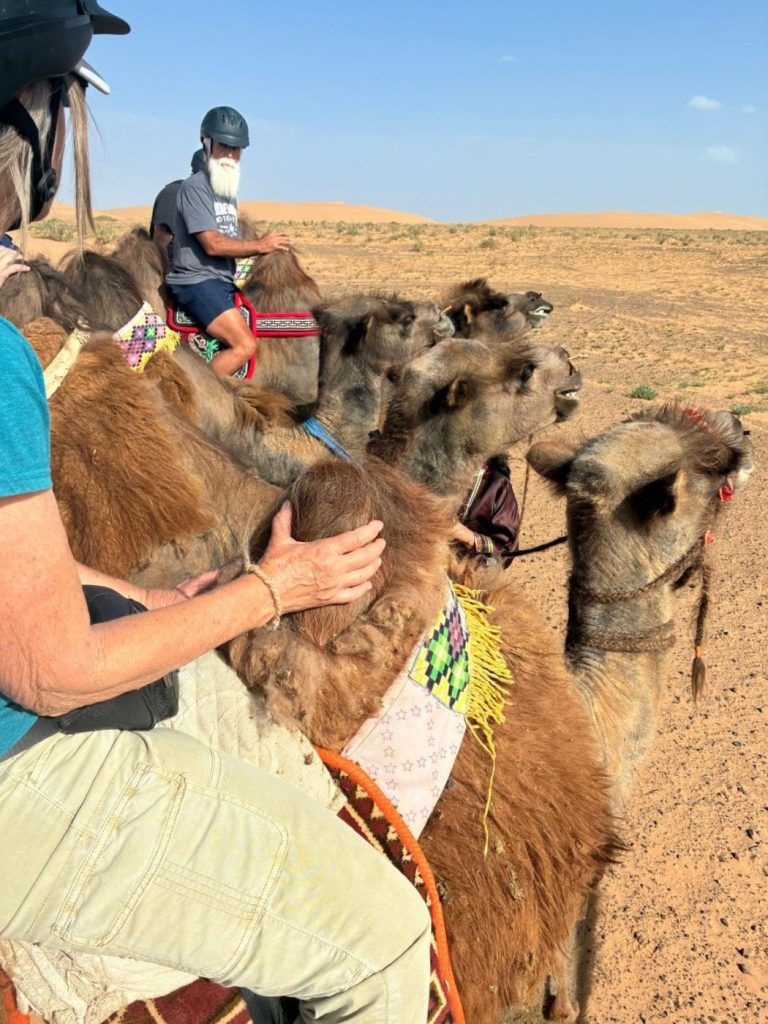
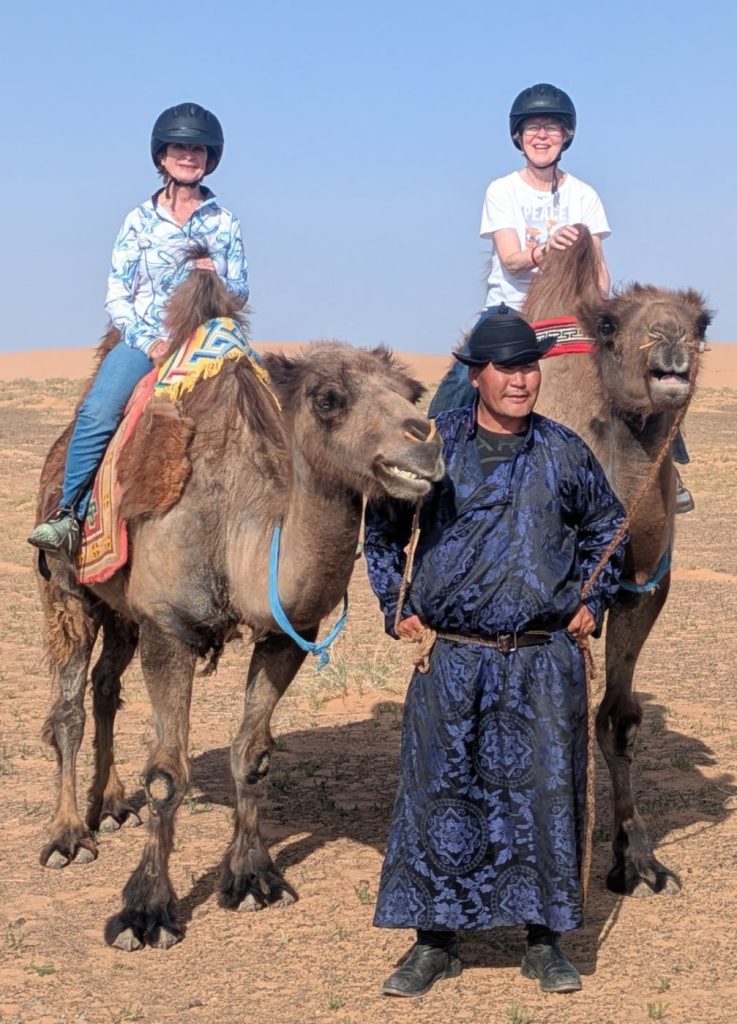
We LOVED the camels, with their homely, goofy faces. Bactrians are supposedly better natured than their dromedary cousins. The space between their two humps is decidely comfy once you figure out the pacing rhythm of their gait.
Yolyn Am Canyon
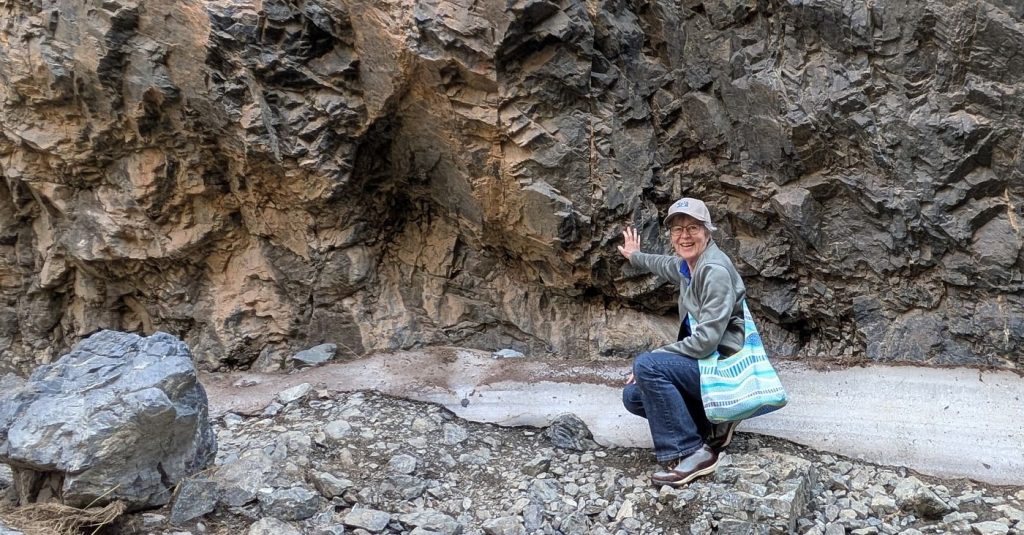
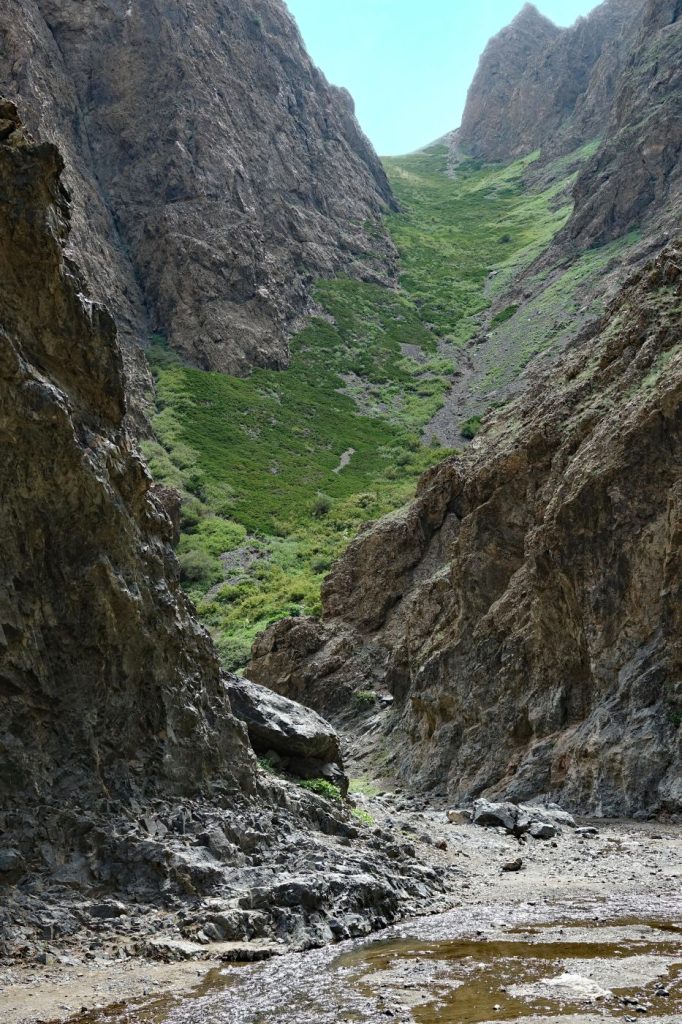
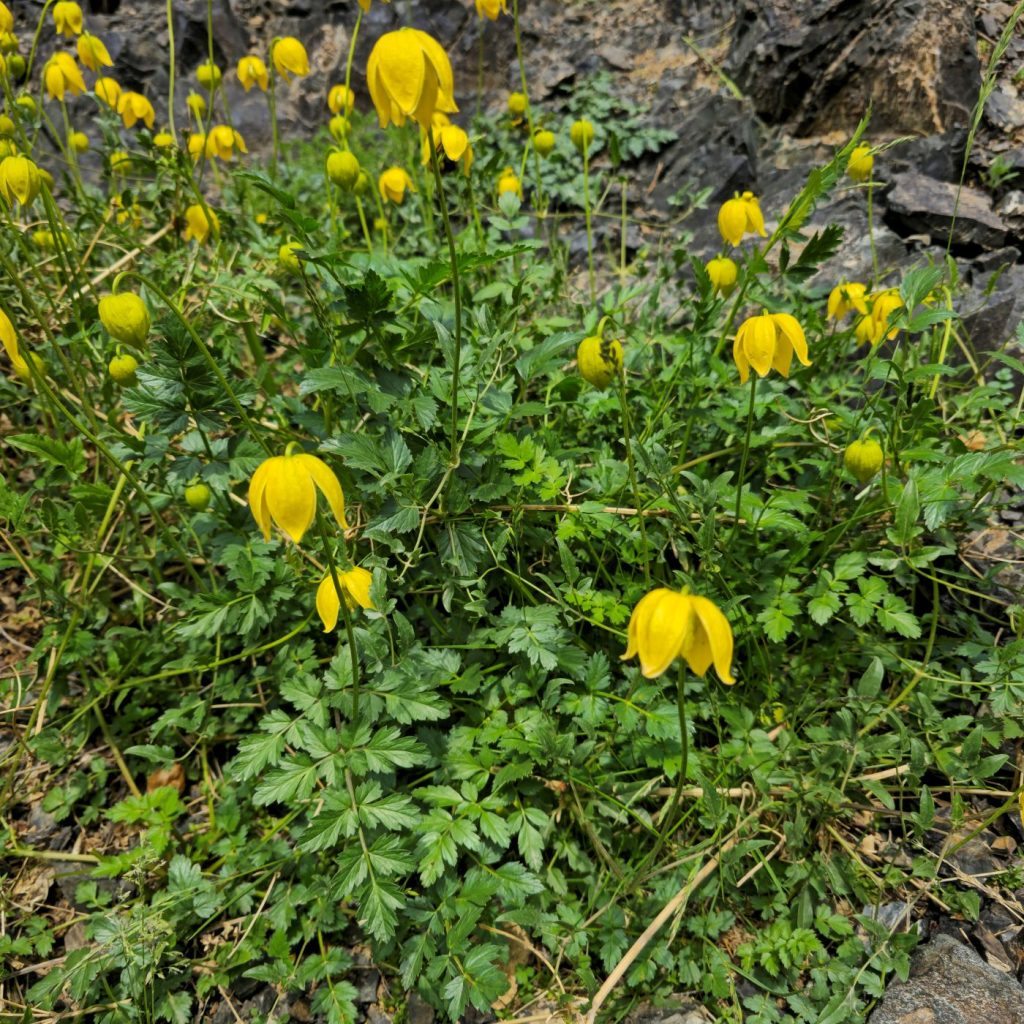
A gentle downhill hike surrounded by craggy cliffs, the canyon offered large and small surprises.
With thanks to the beautiful people of Mongolia